How to Diagnose and Solve Dog Separation Anxiety at Home
Learn how to diagnose dog separation anxiety and implement practical, step-by-step solutions to stop destructive behavior and keep your pet calm.
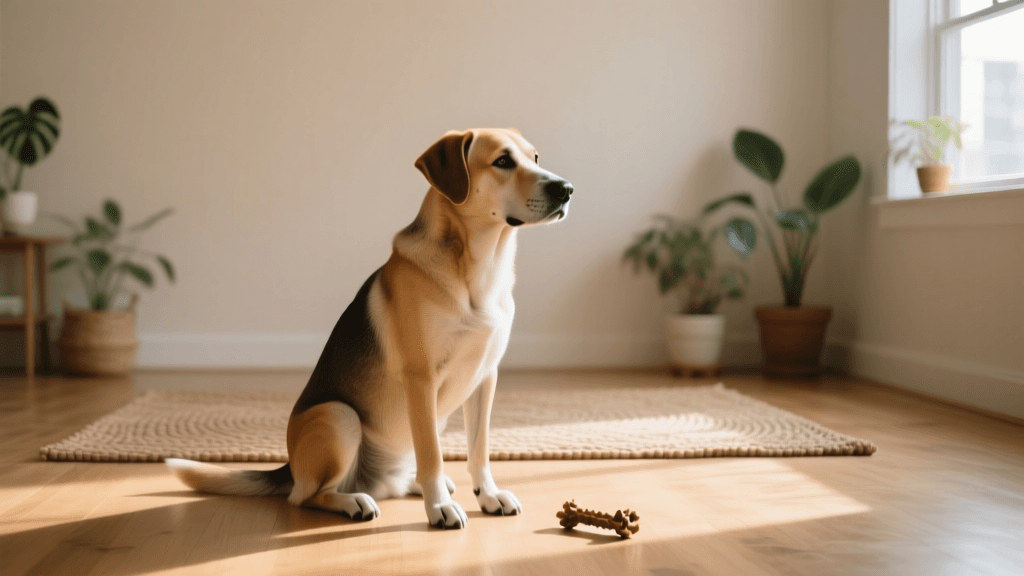
Leaving your dog at home should not result in a destroyed living room, noise complaints from frustrated neighbors, or a pet that is visibly trembling in distress. Yet, for millions of dog owners, canine separation anxiety is a daily reality that strains the human-animal bond and compromises the welfare of the pet. According to the ASPCA, separation anxiety is triggered when dogs become upset because of separation from their guardians, the people they are attached to. This condition is not a manifestation of spite or revenge, as is commonly misunderstood; rather, it is a genuine panic disorder. When left unaddressed, the stress can lead to self-injury, severe property damage, and even relinquishment to shelters. Fortunately, with precise problem diagnosis and a structured, science-based solution plan, you can help your dog learn to feel safe and relaxed when left alone.
The True Cost of Canine Separation Anxiety
Before implementing a solution, it is vital to understand the multifaceted impact of this behavioral issue. Financially, the costs can escalate rapidly. Replacing chewed door frames, ruined furniture, and damaged carpets can cost hundreds or even thousands of dollars. Furthermore, the emotional toll on both the dog and the owner is immense. Owners often feel trapped, unable to enjoy spontaneous outings, date nights, or even a full day at the office without the looming dread of what they will return to. The dog, meanwhile, experiences genuine terror, akin to a human panic attack, characterized by elevated heart rates, excessive salivation, and frantic escape attempts. Recognizing this as a medical and behavioral emergency rather than a simple training flaw is the first step toward effective rehabilitation.
Diagnosis: Is It Separation Anxiety or Just Boredom?
One of the most common mistakes dog owners make is misdiagnosing the root cause of their dog's destructive behavior. A dog that chews up the couch might not be experiencing separation anxiety; they might simply be under-exercised and bored. Treating boredom with anxiety protocols, or treating anxiety with simple puzzle toys, will yield frustratingly poor results. The Humane Society of the United States emphasizes the importance of observing when and how the behaviors occur. To accurately diagnose your dog, set up a cheap indoor Wi-Fi camera (like a Wyze Cam, which costs around $30) to record your dog's behavior for the first 30 minutes after you leave. Review the footage and compare it against the diagnostic table below.
| Behavioral Sign | Separation Anxiety | Boredom / Understimulation |
|---|---|---|
| Destructive Chewing | Focused on exit points (doors, window frames) | Random items (shoes, remote controls, couch cushions) |
| Vocalization | Continuous howling/barking starting immediately upon departure | Intermittent barking, usually at external stimuli |
| Potty Accidents | Occurs even in house-trained dogs, often on owner's bed/clothes | Rare if properly house-trained; may happen if left too long |
| Pacing | Frantic, repetitive circular paths near doors | Wandering aimlessly or sleeping mostly |
Phase 1: Environmental Management and Quick Fixes
While long-term behavioral modification is the ultimate goal, you must manage the environment immediately to prevent rehearsal of the unwanted behaviors and reduce your dog's daily stress load. Every time a dog practices panic-induced destruction, the neural pathways associated with that stress response are reinforced.
First, restrict access to trigger zones. If your dog fixates on the front door, use baby gates or close doors to block access to the entryway. Create a 'safe haven' in an interior room, such as a bedroom or a large walk-in closet, where exterior noises are muffled. Play continuous white noise or classical music specifically designed for dogs, such as the 'Through a Dog's Ear' audio tracks, to mask the sound of passing cars or neighbors in the hallway.
Next, introduce high-value, long-lasting enrichment items, but only when you are preparing to leave. The KONG Classic ($15-$25) is an industry staple for a reason. Stuff it with a mixture of your dog's daily kibble, plain pumpkin puree, and a smear of xylitol-free peanut butter, then freeze it for 24 hours. This frozen treat can occupy a dog for 30 to 45 minutes, providing a positive association with your departure and encouraging a natural, soothing chewing behavior. However, if your dog refuses to eat or engage with the toy when you leave, this is a strong clinical indicator of high anxiety, as the digestive system shuts down during a fight-or-flight response.
Phase 2: Systematic Desensitization and Counterconditioning
The core of solving separation anxiety lies in changing your dog's emotional response to your departure cues. Dogs are incredibly observant and learn the sequence of events that lead to you leaving: putting on socks, picking up keys, grabbing a coat, and turning the doorknob. For an anxious dog, these 'pre-departure cues' trigger a cortisol spike before you have even walked out the door.
To dismantle this trigger response, you must desensitize your dog to these cues. Spend two weeks performing these actions without actually leaving. Pick up your keys, then sit back down on the couch and read a book. Put on your work shoes, then take them off and make a cup of coffee. Do this 10 to 15 times a day until your dog stops reacting, yawning, or following you when you grab your coat. The goal is to make these cues entirely meaningless.
Once the pre-departure cues no longer trigger anxiety, begin graduated mock departures. Start by walking out the front door, closing it, and immediately returning (under 5 seconds). Do not make a fuss when you leave or return; keep greetings incredibly low-key. Gradually increase the time you are outside the door to 10 seconds, 30 seconds, 1 minute, and eventually 5 minutes. According to the American Kennel Club (AKC), you must never push the dog past their anxiety threshold. If your dog begins to pant, whine, or pace at the 3-minute mark, you have progressed too quickly. Return to the last successful duration (e.g., 1 minute) and build up more slowly. This process requires immense patience and can take several weeks to months, but it is the only way to build genuine, lasting confidence.
Phase 3: Calming Aids and Professional Support
In conjunction with training, various adjunct therapies can help lower your dog's baseline arousal levels. Pheromone therapy, such as the Adaptil Calm Diffuser ($50-$80), releases a synthetic copy of the dog-appeasing pheromone produced by nursing mothers. Plugging this diffuser into your dog's safe room can create a subtle but effective calming atmosphere. Similarly, compression garments like the Thundershirt ($40-$50) apply gentle, constant pressure to the dog's torso, which can have a soothing effect on the nervous system, much like swaddling an infant.
However, for severe cases where the dog is injuring themselves by breaking teeth on crates or jumping through windows, behavioral modification alone may not be enough. In these instances, consulting a board-certified veterinary behaviorist is critical. A veterinarian can prescribe anti-anxiety medications, such as Fluoxetine (Reconcile) or Trazodone, which alter the brain's neurochemistry to reduce panic. These medications do not 'sedate' the dog; rather, they lower the panic threshold enough to allow the dog's brain to actually absorb and benefit from the desensitization training protocols outlined above.
Realistic Timelines and Final Thoughts
Solving canine separation anxiety is a marathon, not a sprint. Owners must be prepared to invest significant time into mock departures and environmental management. It is highly recommended to enlist the help of a dog walker, pet sitter, or doggy daycare to ensure your dog is not left alone for longer than their current training threshold allows while you work through the rehabilitation process. By accurately diagnosing the root of the panic, managing the environment to prevent rehearsal of bad habits, and executing a methodical desensitization plan, you can restore peace to your household and give your dog the gift of true independence and relaxation.
tom-renshaw
All our authors care for dogs every day — read more of their work on the authors page.