Understanding Canine Thresholds: Step-by-Step Desensitization Guide
Learn the psychology behind canine thresholds and follow our step-by-step desensitization guide to help your reactive dog feel calm and confident.

The Psychology of the Canine Threshold
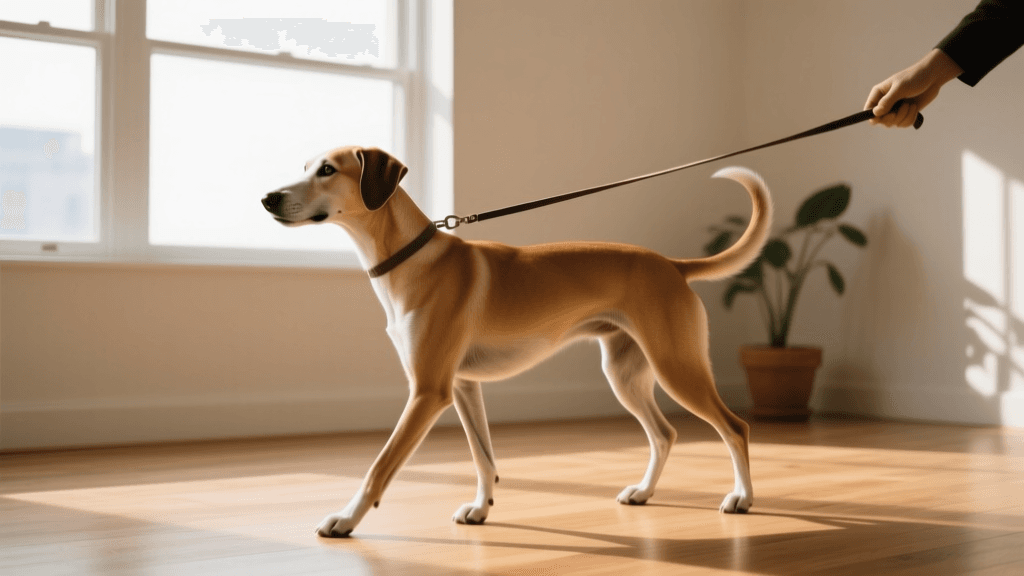
When your dog lunges, barks, or freezes at the sight of another dog, a passing skateboard, or a stranger in a hat, it is easy to label the behavior as stubborn or aggressive. However, as experts in canine psychology emphasize, reactivity is rarely about disobedience; it is an emotional response driven by fear, frustration, or anxiety. To truly help your dog, you must first understand the concept of the canine threshold.
A threshold is the invisible line where your dog transitions from a state of calm, cognitive learning to a state of emotional overwhelm. When a dog is under threshold, their parasympathetic nervous system is engaged, meaning they can process treats, follow cues, and learn new associations. When a trigger pushes them over threshold, the amygdala hijacks their brain, flooding their body with cortisol and adrenaline. In this fight-or-flight state, the learning center of the brain essentially shuts down. No amount of training or treats will work if your dog is over threshold.
According to the ASPCA, addressing the underlying emotional state is critical for long-term behavioral modification. Punishing a dog for lunging only suppresses the warning signs without changing the fear, which can lead to a dog that bites without warning. Instead, we use desensitization and counterconditioning to change how the dog feels about the trigger.
Identifying Your Dog's Subtle Calming Signals
Before your dog explodes into a barking fit, they communicate their rising stress levels through subtle body language. Recognizing these early warning signs is the key to keeping your dog under threshold. Norwegian dog trainer Turid Rugaas coined the term 'calming signals' to describe these behaviors.
- Whale Eye: The dog turns their head away but keeps their eyes fixed on the trigger, exposing the whites of their eyes.
- Lip Licking and Yawning: If your dog is repeatedly licking their lips or yawning when they are not tired, this is a clear sign of neurological stress.
- Sniffing the Ground: Sudden, intense sniffing when a trigger appears is a displacement behavior used to avoid direct eye contact and self-soothe.
- Body Tension and Freezing: A stiffened posture, raised hackles, or a sudden freeze indicates the dog is assessing a perceived threat and preparing to react.
- Leaning or Hiding: Attempting to hide behind your legs or leaning their weight away from the trigger shows a desire to increase distance.
Essential Gear for Desensitization Training
Successful step-by-step training requires the right tools to ensure safety and clear communication. Here is a breakdown of the specific equipment you will need, along with estimated costs to help you budget for your training journey.
| Equipment | Recommended Brand | Estimated Cost | Purpose |
|---|---|---|---|
| Front-Clip Harness | Ruffwear Front Range | $40 | Provides safe steering without tracheal pressure if the dog lunges. |
| Long Line | 15ft Biothane Leash | $35 | Allows freedom to sniff and retreat without the tangling of nylon. |
| Treat Pouch | Doggone Good! Train-R Pouch | $25 | Ensures treats are accessible within one second for precise timing. |
| High-Value Treats | Zuke's Mini Naturals or Boiled Chicken | $8 - $12 | Low-calorie, high-scent protein to override environmental distractions. |
| Marker | Clicker or Verbal 'Yes' | $5 | Provides an exact 0.5-second marker to bridge the behavior and reward. |
The Step-by-Step Engage-Disengage Training Guide
The Engage-Disengage game, popularized by Leslie McDevitt in her renowned Control Unleashed program, is a cornerstone of modern reactive dog rehabilitation. It teaches the dog that looking at a trigger predicts a reward, ultimately changing their emotional response from fear to anticipation of a treat.
Step 1: Find the 'Under Threshold' Zone
Begin your training at a distance where your dog notices the trigger but does not react. This might be 50 feet away from a dog park, or sitting in a parked car watching the world go by. If your dog will not eat a treat, you are too close. Increase your distance immediately until your dog can comfortably chew and swallow.
Step 2: Mark the 'Engage' (Looking)
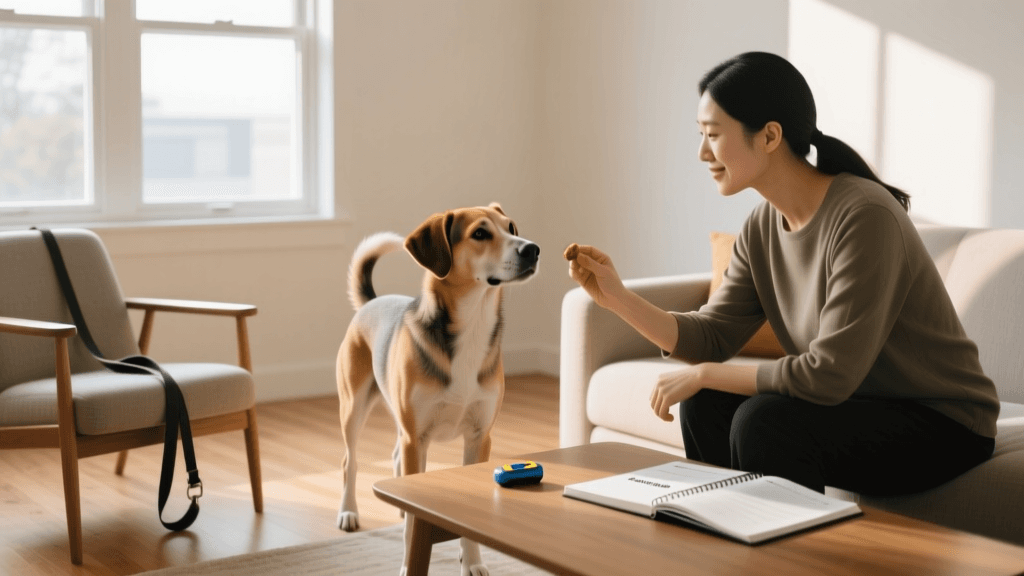
When your dog looks at the trigger, count 'one Mississippi' and then mark the behavior with a clicker or a cheerful 'Yes!'. The mark must happen within 0.5 seconds of the dog looking. This precise timing tells the dog exactly what earned the reward. At this stage, you are not asking the dog to look away; you are simply marking the act of noticing the trigger without reacting.
Step 3: Reward the 'Disengage' (Turning Away)
After you mark the behavior, present the high-value treat near your dog's nose, encouraging them to turn their head away from the trigger to eat it. Feed the treat away from the trigger line. Over time, your dog will learn the pattern: 'I look at the scary thing, I hear the click, and I turn away to get chicken.' This builds a new neurological pathway that replaces the fight-or-flight response with a conditioned positive emotion.
Step 4: Decrease Distance Gradually
Only decrease the distance to the trigger when your dog is consistently offering a voluntary disengage before you even have to mark. If you move from 50 feet to 40 feet, and your dog reacts, calmly increase the distance back to 50 feet. Progress is rarely linear; patience is your most valuable training tool.
Troubleshooting Common Setbacks
Even the best training plans encounter hurdles. Here is how to handle common issues during your desensitization journey:
- The Dog Refuses Treats: This is the ultimate indicator that your dog is over threshold. Their digestive system has slowed down due to adrenaline. Do not force the treat. Simply create more distance until they are willing to eat again.
- Trigger Stacking: If your dog encounters multiple triggers in a short period (e.g., a loud truck, then a stranger, then a dog), their stress hormones compound. This is called trigger stacking. On high-stress days, end the session early and engage in decompression sniffing in a quiet area.
- Inconsistent Timing: If you click while the dog is barking, you may accidentally mark the barking. Always mark the moment of visual engagement, before the vocalization begins.
Behavior modification is not about controlling the dog; it is about changing the environment and the emotional associations so the dog no longer feels the need to react. - Principles of Fear Free Training
Committing to the Process
Understanding your dog's threshold is an act of deep empathy. By advocating for their space and utilizing step-by-step desensitization protocols, you are not just teaching a behavior; you are fundamentally altering how your dog perceives the world. Organizations like Fear Free Pets advocate heavily for reducing fear, anxiety, and stress in all animal interactions. By embracing these science-based, force-free methods, you build a bond rooted in trust rather than compliance. Grab your treat pouch, find your distance, and start changing your dog's emotional landscape today.
tom-renshaw
All our authors care for dogs every day — read more of their work on the authors page.