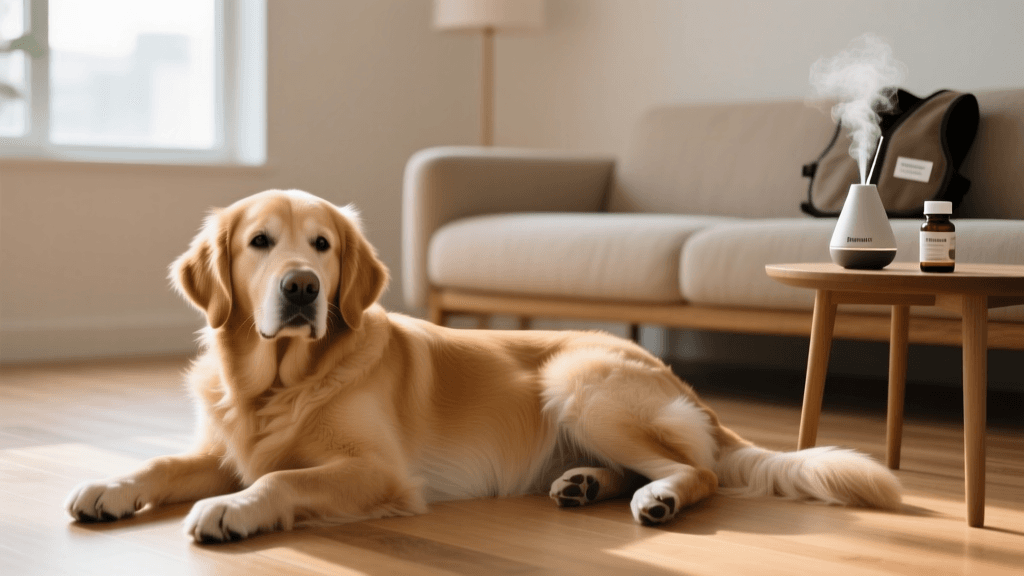
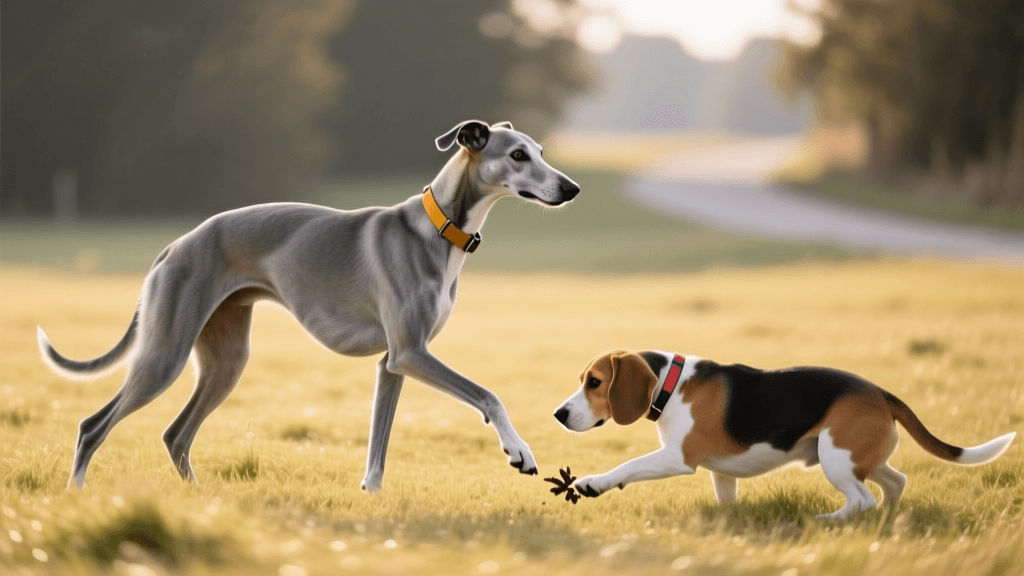
Understanding Your Dog's Adolescent Phase: Behavior and Care
Discover why your teenage dog is acting out. Learn the psychology behind canine adolescence, behavior regression, and actionable life stage care tips.
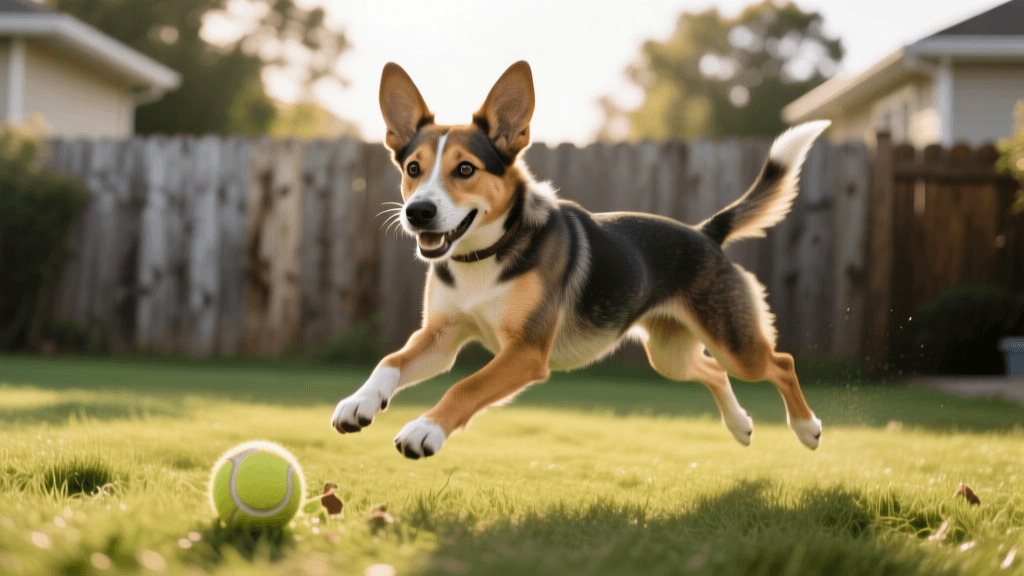
The "Teenage" Dog: What is Canine Adolescence?
You survived the sleepless nights of potty training and the chewed-up shoes of the teething phase. Your puppy was finally becoming a well-mannered companion. Then, seemingly overnight, your eight-month-old Labrador Retriever has "forgotten" how to sit, is suddenly terrified of garbage cans, and ignores your recall commands in the park. Welcome to canine adolescence.
Understanding your dog's behavior during this life stage is critical for maintaining your bond and ensuring their long-term psychological well-being. Canine adolescence is not merely a phase of stubbornness; it is a profound neurological and hormonal transition. According to the American Kennel Club, this developmental window is when dogs experience massive brain restructuring, akin to human teenagers. By viewing this life stage through a psychological lens, we can replace frustration with empathy and implement targeted care strategies.
The Timeline of Canine Adolescence
The onset and duration of adolescence vary significantly based on your dog's breed, size, and genetic lineage. While the behavioral shifts are universal, the timeline is not. Understanding when to expect these changes allows you to proactively adjust your care routine.
- Small Breeds (Under 20 lbs): Adolescence typically begins around 6 months of age and concludes by 10 to 12 months. Breeds like Chihuahuas and Pomeranians mature faster both physically and mentally.
- Medium Breeds (20 to 50 lbs): The teenage phase usually spans from 8 months to 14 months. Cocker Spaniels and Beagles often fall into this category.
- Large and Giant Breeds (50+ lbs): Adolescence can begin as late as 10 months and persist until the dog is 18 to 24 months old. Great Danes, German Shepherds, and Golden Retrievers require extended patience and prolonged management strategies.
The Psychology of the "Teenage" Brain
Why does a dog who knew 20 commands suddenly act as if they have never heard the word "come"? The answer lies in neurological pruning. During adolescence, the canine brain undergoes a process where unused neural pathways are eliminated to increase the efficiency of frequently used pathways. This rewiring causes temporary cognitive dissonance and a regression in learned behaviors.
Furthermore, hormonal surges drive an intense biological urge for independence and environmental exploration. Your dog's olfactory senses become more acute, and their drive to seek out novel stimuli overrides their desire to please you. Veterinary behaviorists at Cornell University note that this independence is an evolutionary survival mechanism designed to encourage young canines to leave the den and establish their own territory. Recognizing this instinct helps owners understand that their dog is not being malicious; they are simply following a biological imperative.
Navigating the Second Fear Period
One of the most misunderstood aspects of adolescent psychology is the "Second Fear Period," which typically occurs between 8 and 11 months of age. As highlighted by Fear Free Pets, dogs may suddenly exhibit intense fear responses to familiar objects, people, or environments they previously ignored. A fire hydrant they walked past daily might suddenly trigger a panic response.
Actionable Advice: Never force an adolescent dog to interact with something that frightens them. Forcing exposure (flooding) can permanently wire the brain to associate that trigger with trauma. Instead, practice the "Engage-Disengage" protocol: allow the dog to look at the trigger from a safe distance (e.g., 20 feet), mark the calm observation with a verbal "Yes," and reward with a high-value treat. Gradually decrease the distance over several weeks.
Actionable Life Stage Care Guide
Managing an adolescent dog requires a shift from the structured puppy routine to a more flexible, management-heavy approach. Below are specific, actionable strategies tailored to this life stage.
1. Revert to Puppy-Level Management
Do not give your teenage dog free roam of the house just because they are house-trained. Unsupervised freedom leads to boredom, which leads to destructive behavior. Reintroduce baby gates and exercise pens. When you cannot actively supervise them, keep them tethered to you with a hands-free leash or place them in a crate with an enrichment toy.
2. Upgrade Your Reinforcement Strategy
The dry kibble that worked when your dog was a puppy will no longer cut it in a distracting environment. You are now competing with the scent of wildlife, other dogs, and the thrill of independence.
- Product Recommendation: Zuke's Mini Naturals (approx. $8 for a 6oz bag) or real boiled chicken breast. These high-value, low-calorie treats provide the olfactory punch needed to break through teenage distraction.
- Recall Practice: Invest in a 15-foot Biothane long line ($35 to $50). Biothane is waterproof and doesn't tangle easily. Practice recalls in a low-distraction park. Call your dog's name, run backward to trigger their chase instinct, and reward them within 3 seconds of their arrival. Keep these sessions short—no more than 10 minutes, twice a day.
3. Prioritize Mental Enrichment and Decompression
A common mistake owners make is trying to physically exhaust an adolescent dog. High-intensity exercise like endless fetch can actually spike cortisol levels, creating a hyperactive, over-aroused dog. Mental stimulation is far more effective at inducing calm behavior.
- Sniffaris: Take your dog on a 45-minute "decompression walk" in a quiet, natural area on a long line. Allow them to dictate the pace and sniff as much as they want. Fifteen minutes of intense sniffing tires a dog's brain as much as an hour of physical running.
- Enrichment Products: Ditch the food bowl. Serve meals in a Kong Classic Rubber Toy ($15) or scatter their kibble on an Outward Hound Snuffle Mat ($25). Foraging for food engages their natural scavenging instincts and lowers their heart rate.
Life Stage Behavioral Comparison Chart
Understanding how your dog's psychological drivers shift across their lifespan is key to providing appropriate life stage care. The table below outlines the core differences between the primary life stages.
| Life Stage | Age Range (Medium Breeds) | Primary Psychological Driver | Common Behavioral Challenge | Key Care Strategy |
|---|---|---|---|---|
| Puppy | 2 to 8 Months | Social bonding and environmental mapping | Mouthing, potty accidents, separation distress | Positive socialization, strict routine, crate training |
| Adolescent | 8 to 18 Months | Independence, territorial exploration, hormonal surges | Recall regression, reactivity, second fear period | Long-line management, high-value rewards, mental enrichment |
| Adult | 1.5 to 7 Years | Stability, routine, deep social attachment | Boredom-induced behaviors, weight gain | Consistent exercise, advanced training, puzzle toys |
| Senior | 7+ Years | Comfort, security, cognitive preservation | Cognitive decline, joint pain, sleep disruption | Orthopedic beds, joint supplements, gentle scent work |
When to Seek Professional Help
While regression and independence are normal, true anxiety and aggression are not. If your adolescent dog exhibits prolonged panic attacks, injures themselves trying to escape a crate, or displays unprovoked aggression toward humans or other dogs, it is time to consult a certified veterinary behaviorist. Differentiating between normal teenage boundary-testing and clinical behavioral pathology is essential for your dog's safety and your peace of mind.
Conclusion
The adolescent phase is notoriously the time when many dogs are surrendered to shelters due to owner frustration. However, by understanding the profound neurological and psychological shifts occurring in your dog's brain, you can navigate this turbulent period with grace. Maintain your boundaries, upgrade your training rewards, prioritize mental enrichment, and remember: this too shall pass. With consistent, empathetic life stage care, your rebellious teenager will eventually mature into the loyal, steady adult companion you always envisioned.
priya-sutaria
All our authors care for dogs every day — read more of their work on the authors page.