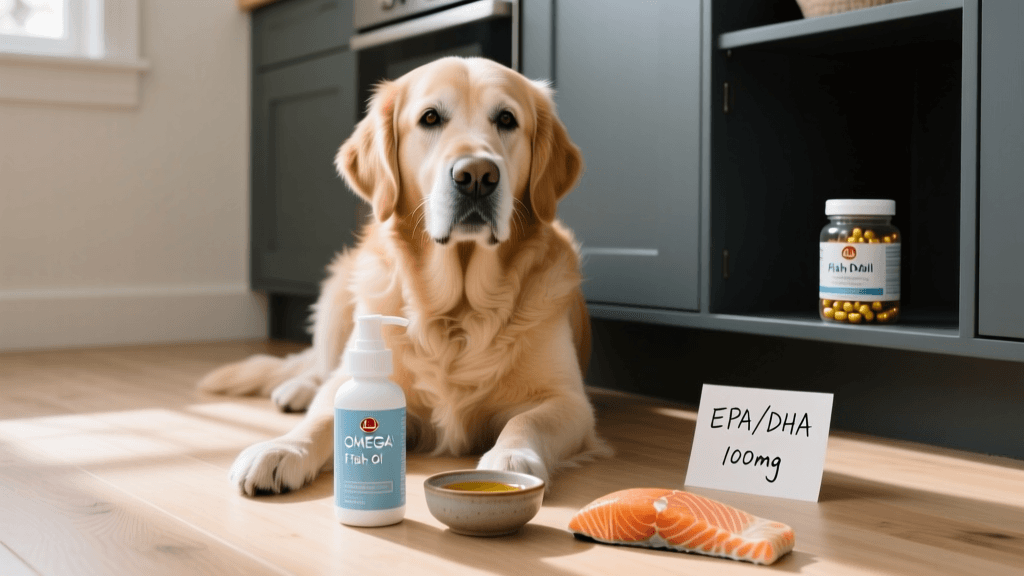
Best Omega-3 Fish Oil Pumps for Dogs in 2026: EPA & DHA Dosing Guide
Discover the best Omega-3 fish oil pumps for senior dogs in 2026. Learn exact EPA/DHA dosing, storage tips, and daily meal prep routines for joint health.
Why Omega-3 is Non-Negotiable for Senior Dogs in 2026
As our canine companions enter their golden years, maintaining their mobility, cognitive function, and overall vitality becomes the top priority for dedicated pet parents. In 2026, veterinary nutritionists universally agree that Omega-3 fatty acids—specifically EPA (eicosapentaenoic acid) and DHA (docosahexaenoic acid)—are foundational to a senior dog's daily wellness routine. Unlike Omega-6 fatty acids, which are abundant in most commercial dog foods and can promote inflammation when unbalanced, marine-derived Omega-3s actively combat systemic inflammation, soothe arthritic joints, and support fading kidney function.
However, simply buying a bottle of 'fish oil' and guessing the dosage is a recipe for disappointment. The shift in the 2026 pet supplement market has moved heavily toward precision dosing and oxidation prevention. Messy squeeze bottles that expose the oil to air every time you open the cap are being rapidly replaced by vacuum-sealed pump dispensers. These pumps not only preserve the delicate lipid structures from turning rancid but also integrate seamlessly into your daily meal prep routine. Whether you are feeding a raw diet, gently cooked meals, or high-quality kibble, mastering your Omega-3 pump routine is essential.
Decoding the Label: EPA and DHA vs. 'Total Fish Oil'
One of the most common mistakes dog owners make is looking at the 'Total Fish Oil' or 'Total Omega-3' number on the front of the bottle. According to experts at the Cummings Veterinary Medical Center at Tufts University, the therapeutic benefits for canine joint health and cognitive support come almost exclusively from EPA and DHA, not from ALA (alpha-linolenic acid) found in plant-based oils like flaxseed. Dogs lack the efficient enzymatic pathways to convert plant-based ALA into usable EPA and DHA.
When evaluating a pump bottle in 2026, you must turn the label over and look at the guaranteed analysis or the fine print. A pump might dispense 5,000 mg of total fish oil, but if it only yields 300 mg of combined EPA and DHA, you would need to pump an excessive (and potentially calorically dense) amount to reach therapeutic levels for a large senior dog. Always calculate your dog's requirements based strictly on the combined EPA and DHA milligram count per pump.
Calculating Your Dog’s Exact EPA/DHA Requirements
Dosing Omega-3 is not a one-size-fits-all scenario. The WSAVA Global Nutrition Guidelines emphasize that therapeutic dosing for dogs with osteoarthritis or chronic inflammation is significantly higher than the baseline maintenance dose for healthy adult dogs. For senior dogs experiencing joint stiffness, the generally accepted therapeutic target is between 50 mg to 75 mg of combined EPA/DHA per kilogram of body weight.
Below is a practical dosing chart to help you calculate the daily requirements for your senior dog based on the therapeutic 75 mg/kg benchmark:
| Dog Weight (lbs) | Dog Weight (kg) | Therapeutic EPA/DHA Target (mg/day) | Approx. Pumps Needed (Based on 500mg/pump) |
|---|---|---|---|
| 20 lbs | 9 kg | 675 mg | 1.5 Pumps |
| 40 lbs | 18 kg | 1,350 mg | 2.5 Pumps |
| 60 lbs | 27 kg | 2,025 mg | 4 Pumps |
| 80 lbs | 36 kg | 2,700 mg | 5.5 Pumps |
| 100 lbs | 45 kg | 3,375 mg | 6.5 Pumps |
Note: Always introduce Omega-3s gradually over two weeks to avoid gastrointestinal upset or loose stools. Start with a quarter of the target dose and slowly increase.
Pump Bottles vs. Capsules: Which Fits Your Meal Prep Routine?
Integrating supplements into a multi-pet household or a complex raw-feeding routine requires efficiency. Let us compare the two most popular formats available in 2026 to see which aligns best with your daily life.
| Feature | Liquid Pump Dispensers | Softgel Capsules |
|---|---|---|
| Oxidation Risk | Very Low (Vacuum-sealed mechanism prevents air exposure) | Low (Encapsulated, but bulk bottles can degrade if left open) |
| Dosing Flexibility | High (Easy to do half-pumps for small dogs or titration) | Low (Must pierce capsule or buy multiple sizes for different dogs) |
| Meal Prep Speed | Fast (One-handed pumping directly onto food) | Slow (Requires cutting, squeezing, or hiding in pill pockets) |
| Caloric Additives | Often includes natural Vitamin E or rosemary extract as preservatives | Gelatin and glycerin shell adds negligible calories |
| Best For | Multi-dog homes, raw feeders, kibble toppers | Single-dog homes, picky eaters sensitive to fishy smells |
For the vast majority of dog owners managing senior canine care, the liquid pump dispenser is the undisputed winner for daily convenience and freshness preservation.
Top Omega-3 Pump Dispensers Reviewed for 2026
Not all pumps are created equal. The viscosity of the oil, the source of the fish, and the filtration process dictate the quality. Here are the top performers dominating the 2026 market:
1. Nordic Naturals Omega-3 Pet (Pump Edition)
Nordic Naturals remains the gold standard for human-grade triglyceride-form fish oil. Their 2026 pet pump features a specialized anti-clog mechanism that handles the thicker, winterized salmon oil without jamming. It is sourced exclusively from wild-caught anchovies and sardines, which are lower on the food chain and naturally accumulate fewer heavy metals. Each full pump delivers a robust 520 mg of combined EPA/DHA.
2. Grizzly Salmon Plus Wild Fish Oil
A favorite among raw feeders, Grizzly utilizes a blend of wild Alaskan salmon and pollock. The pump bottle is made from BPA-free, UV-treated plastic to block light degradation. It has a slightly milder scent than pure anchovy oils, making it highly palatable for dogs who are hesitant about strong marine odors. It also includes a small amount of Omega-3 from krill, providing natural astaxanthin for cellular health.
3. Zesty Paws Omega-3 Liquid Pump
Zesty Paws has refined their liquid formula for 2026, adding a hint of natural chicken flavor to the fish oil base. This is a game-changer for extremely picky senior dogs who might turn their nose up at pure fish oil. The pump dispenses a slightly smaller volume per press, allowing for micro-dosing in toy breeds or cats sharing the household.
Storage and Oxidation: Protecting Your Investment
Fish oil is highly susceptible to lipid peroxidation. When Omega-3s are exposed to oxygen, heat, and light, they oxidize and become rancid. Feeding rancid oil to your dog is counterproductive; it introduces free radicals into their system and actually promotes inflammation rather than fighting it. The American Veterinary Medical Association (AVMA) consistently advises pet owners to monitor the quality and storage of all dietary fat supplements.
The 2026 Storage Protocol:
- Before Opening: Store the unopened pump bottle in a cool, dark pantry or wine cellar. Do not leave it on a countertop exposed to direct sunlight.
- After Opening: While some manufacturers claim their vacuum pumps are shelf-stable, veterinary nutritionists highly recommend storing opened pump bottles in the refrigerator. The cold temperature drastically slows down any residual oxidation.
- The Smell Test: Fresh fish oil should smell like the ocean or a mild, clean fish market. If you pump the oil onto your finger and it smells sharply sour, metallic, or like rotting fish, the oil has oxidized and must be discarded immediately.
Step-by-Step Daily Feeding Routine
Integrating the Omega-3 pump into your dog's daily life should be a frictionless habit. Here is the optimal routine for maximizing absorption and minimizing 'fishy burps'.
- Prep the Base Meal: Whether you are scooping kibble or portioning raw meat, place the food in your dog's stainless steel or ceramic bowl. Avoid plastic bowls, which can harbor bacteria and retain fish odors.
- Add Moisture (Crucial Step):strong> If feeding dry kibble, add two ounces of warm (not hot) water, bone broth, or goat's milk. Warm moisture helps the oil disperse evenly across the kibble rather than pooling at the bottom of the bowl. Hot water will destroy the delicate Omega-3 fatty acids.
- Pump and Mix: Depress the pump the required number of times directly over the moistened food. Use a dedicated spoon to thoroughly mix the oil into the meal. This ensures every bite is coated, preventing the dog from eating the food and leaving the concentrated oil at the bottom.
- Immediate Cleanup: Wipe the nozzle of the pump bottle with a damp paper towel before returning it to the fridge. This prevents oil buildup, which can attract fruit flies or cause the pump mechanism to stick over time.
By treating Omega-3 supplementation not as an afterthought, but as a precise, daily culinary ritual, you are actively investing in your senior dog's comfort. In 2026, leveraging the right pump technology and understanding the math behind EPA and DHA ensures that your best friend remains active, sharp, and pain-free for as long as possible.
aaron-whyte
All our authors care for dogs every day — read more of their work on the authors page.