Canine Scent Work 2026: Top Bonding Nose Games Guide
Discover the best canine scent work games for 2026 to deepen your bond. Learn step-by-step nose work routines, gear, and body language tips.
The Science Behind Scent Work and the Human-Canine Bond
When we think of bonding with our dogs, we often picture long hikes, vigorous games of fetch, or cozy cuddle sessions on the couch. However, in 2026, veterinary behaviorists and canine enrichment experts are overwhelmingly pointing to a different, biologically profound activity for deepening the human-canine bond: scent work. A dog's olfactory lobe is roughly 40 times larger than a human's, and their sense of smell is estimated to be 10,000 to 100,000 times more sensitive than ours. Engaging your dog in structured nose games doesn't just tire them out physically; it fulfills their deepest evolutionary drives.
According to the American Kennel Club (AKC) Scent Work guidelines, participating in scent-based activities mimics the cooperative hunting and foraging behaviors of ancestral pack animals. When you set up a scent puzzle and guide your dog to the reward, you are stepping into the role of a trusted partner rather than just a caregiver. This cooperative dynamic builds immense mutual trust, reduces canine anxiety, and creates a unique communication loop between you and your dog that translates into better obedience and a stronger everyday relationship.
Essential Gear for 2026 Scent Work Training
You do not need an expensive setup to begin building your bond through nose work. However, having the right tools ensures the games remain safe, engaging, and frustration-free. Here is the recommended gear for modern scent work routines:
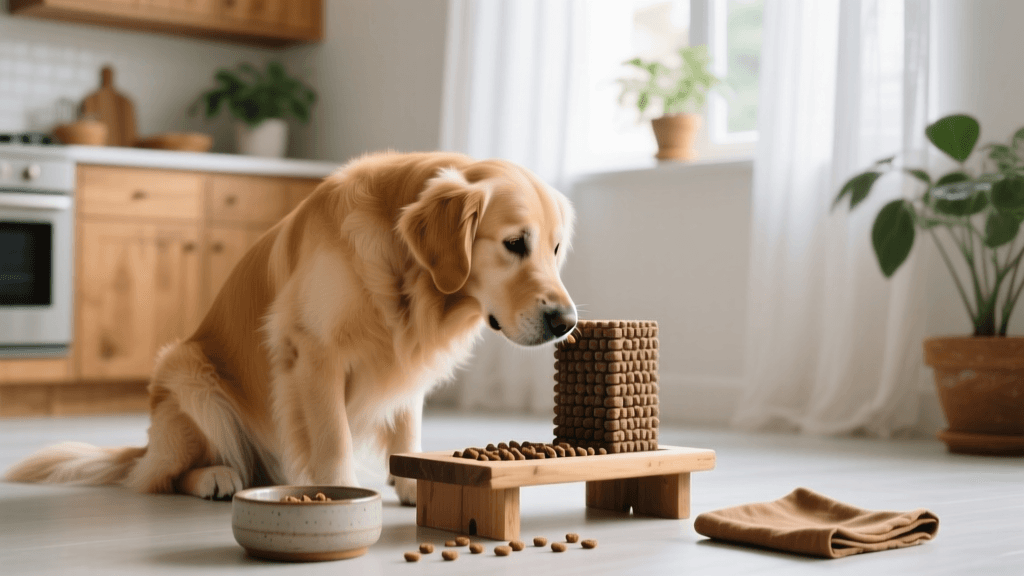
- The Paw5 Wooly Snuffle Mat: This remains a top-tier enrichment tool in 2026. Its dense, multi-layered fabric strips mimic deep grass, forcing your dog to use their nose rather than their eyes to forage for kibble or small treats.
- AKC-Recognized Scent Oils: For advanced tracking, use highly diluted, dog-safe essential oils recognized in competitive scent work, such as Birch, Anise, and Clove. Never use undiluted oils or toxic oils like tea tree.
- Cotton Swabs and Scent Tins: Standard Q-tips cut in half, placed inside small metal tins with ventilation holes, are perfect for creating "hide" stations around your home.
- High-Value Reward Pouch: Use a treat pouch filled with aromatic, high-value rewards like freeze-dried beef liver or Zuke's Mini Naturals to mark successful finds instantly.
Step-by-Step Bonding Nose Games
The following games are designed to be played cooperatively. Your role is to be the supportive handler, reading your dog's body language and celebrating their successes. This shared joy is the core of the bonding experience.
1. The Muffin Tin Shell Game (Beginner)
This game is perfect for introducing the concept of "searching" while building your dog's confidence. It requires minimal setup and provides immediate, rewarding feedback.
- The Setup: Take a standard 12-cup muffin tin. Place a high-value treat in three of the cups.
- The Cover: Cover all 12 cups with tennis balls or small, dog-safe toys. Ensure the covers are loose enough for your dog to easily nose or paw them away.
- The Cue: Bring your dog into the room, point to the tin, and use an enthusiastic, consistent cue word like "Search!" or "Find it!"
- The Bonding Moment: Step back and let your dog work. Do not interfere or point. When they knock a ball away and find a treat, offer immediate verbal praise ("Yes! Good find!"). Your calm, encouraging presence while they problem-solve reinforces that you are a safe base from which they can explore.
2. The "Find It" Room Sweep (Intermediate)
Once your dog understands the basic search cue, you can expand the game to a whole room. This builds spatial awareness and reliance on your shared communication.
- The Setup: Have your dog wait in another room or practice a solid "stay." Hide 5 to 10 treats around the living room. Start with easy placements (on a rug, under a chair leg) and gradually move to "scent cones" (elevated spots like a couch cushion or a low bookshelf).
- The Release: Bring your dog to the threshold of the room. Give your search cue and release them with a cheerful "Let's go search!"
- Handler Positioning: Stand in the center of the room. In 2026, modern force-free training emphasizes letting the dog lead the search. Follow them loosely, acting as their cheerleader. If they get stuck, gently toss a treat near the hidden one to "re-seed" the area and keep their motivation high without doing the work for them.
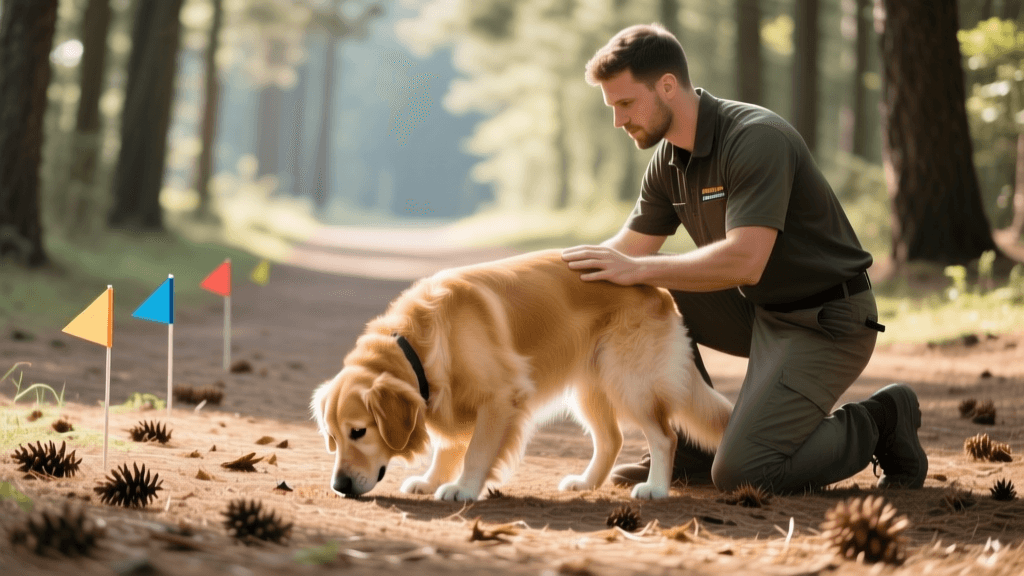
3. Outdoor Scent Trails and Hide-and-Seek (Advanced)
Taking scent work outdoors introduces wind, weather, and environmental distractions, making the bond and trust between you and your dog absolutely critical.
- The Setup: Tie your dog to a secure post or have a partner hold them. Drag a scent pad (a piece of felt rubbed with a tiny drop of diluted Birch oil or a strong-smelling treat) through the grass in a winding path, ending at a "hide" spot where a jackpot of treats or a favorite toy is waiting.
- The Search: Bring your dog to the start of the trail. Let them catch the scent cone. You will see their breathing change and their head drop.
- Reading the Wind: Walk with your dog on a long 15-foot lead. Let them pull toward the scent. If they lose the trail, gently encourage them to "check the wind" by standing still and letting them cast about. When they find the jackpot, engage in a massive celebration—play tug, offer praise, and share the joy of the hunt.
Comparison Chart: Scent Work Bonding Games
| Game Type | Difficulty | Setup Time | Primary Bonding Benefit |
|---|---|---|---|
| Muffin Tin Shell Game | Beginner | 2 Minutes | Builds initial confidence and trust in your cues. |
| Room Sweep "Find It" | Intermediate | 5 Minutes | Fosters cooperative teamwork and spatial communication. |
| Snuffle Mat Foraging | Beginner | 1 Minute | Promotes calm, shared relaxation and decompression. |
| Outdoor Scent Trails | Advanced | 10 Minutes | Deepens reliance on the handler in distracting environments. |
Reading Your Dog’s Olfactory Body Language
A massive part of relationship building is learning to "listen" to your dog's silent language. When a dog is actively using their nose, their body language shifts dramatically. Recognizing these signs shows your dog that you understand them, which is the bedrock of a strong bond.
- The Scent Cone Breathing: You will notice your dog's breathing becomes rapid and shallow, almost like a soft snuffling sound. This is them pulling air deep into the olfactory receptors.
- Ear Flicks and Head Swivels: When a dog catches a whiff of a target scent, they will often freeze, flick their ears forward, and swivel their head to locate the source of the odor cone.
- Tail Carriage: A engaged searching dog usually holds their tail in a relaxed, sweeping motion or slightly elevated. If the tail tucks, they may be frustrated or overwhelmed; if it goes rigid, they have likely pinpointed the hide.
- The "Alert" Behavior: Many dogs develop a natural alert, such as sitting, staring intently, or pawing gently at the source. Recognizing and rewarding your dog's unique alert style is a profound moment of mutual understanding.
Safety and Common Mistakes to Avoid
While scent work is incredibly safe and low-impact, there are a few pitfalls that can damage the bonding experience or pose health risks. First, never rush your dog. Scent work is about the journey, not just the destination. If you constantly point out the treats or rush them, you strip them of their agency and turn a cooperative game into a stressful test.
Secondly, be hyper-aware of environmental hazards when playing outdoors. The ASPCA Animal Poison Control Center frequently warns about the dangers of toxic flora, fertilizers, and discarded human foods in public spaces. Always scout your outdoor search area before bringing your dog in. Furthermore, the American Veterinary Medical Association (AVMA) advises ensuring your dog is properly hydrated and protected from extreme weather, as intense sniffing can be mentally exhausting and cause dogs to forget to drink water. Always keep a collapsible water bowl nearby during advanced outdoor trails.
Finally, avoid using aversive corrections. If your dog knocks over a scent tin or eats a cotton swab, do not scold them. Simply reset the game and make the hide easier next time. Scent work should be a sanctuary of positive reinforcement where your dog feels entirely safe to make mistakes and learn.
Conclusion
Incorporating canine scent work into your weekly routine is one of the most effective ways to enrich your dog's life in 2026. By tapping into their most powerful sense, you are speaking their native language. Whether you are spending five minutes with a snuffle mat in the kitchen or tracking a birch oil trail through the autumn woods, the shared focus, patience, and celebration inherent in nose work will forge an unbreakable bond of trust and joy between you and your dog.
jonas-cole
All our authors care for dogs every day — read more of their work on the authors page.