Decoding Canine OA Pain Signals And 2026 Treatment Plans
Discover how canine osteoarthritis alters dog behavior and body language. Explore the latest 2026 multimodal OA treatments to restore your dog's comfort.
The Hidden Psychology of Canine Osteoarthritis
Dogs are evolutionary masters of disguise. In the wild, displaying vulnerability or pain makes an animal a target for predators and a liability to the pack. In our modern living rooms, this deeply ingrained survival trait means that canine osteoarthritis (OA) often goes entirely unnoticed until the disease has progressed to an advanced, debilitating stage. As we navigate the veterinary landscape of 2026, veterinary behaviorists and orthopedic specialists are championing a crucial paradigm shift: understanding the subtle psychological and behavioral shifts in your dog is the first and most critical step in effective OA treatment. Osteoarthritis is not merely a physical condition of the joints; it is a full-body experience that profoundly alters your dog's brain chemistry, emotional regulation, and daily interactions.
Recognizing the intersection of canine behavior and orthopedic health is essential for modern dog owners. When we learn to decode the silent signals of joint pain, we can intervene earlier, preserve mobility, and vastly improve the psychological well-being of our aging companions. The WSAVA Global Pain Council continually emphasizes that pain assessment must rely heavily on behavioral observation, as dogs cannot verbally articulate their discomfort.
The Psychology of Chronic Pain in Dogs
The psychology of chronic pain in dogs is a rapidly expanding field in 2026. Chronic pain literally rewires the nervous system through a process called neuroplasticity. When a dog experiences persistent joint inflammation, their central nervous system becomes hyper-sensitized. This means that even mild stimuli, such as a gentle pat on the back or the sound of a doorbell, can be perceived as painful or overwhelmingly stressful. Behaviorally, this manifests in ways that owners frequently misinterpret as normal aging or canine cognitive dysfunction.
A dog that used to enthusiastically greet you at the door might now remain on their bed. This is not just a physical inability to move; it is a psychological withdrawal to conserve energy and avoid the anticipated pain of movement. Furthermore, chronic pain severely depletes a dog's serotonin and dopamine levels, leading to increased irritability, worsening noise phobias, and a drastically shortened threshold for stress. Understanding that your dog's sudden grumpiness or avoidance behaviors are rooted in neurological pain responses is the foundation of empathy-driven OA treatment.
Decoding the Body Language of Joint Pain
Because dogs cannot speak, their body language and daily habits become their primary communication tools. Below is a breakdown of common behavioral shifts that owners often misinterpret, contrasted with the underlying osteoarthritis realities.
| Observed Behavior | Common Owner Misconception | The OA Pain Reality |
|---|---|---|
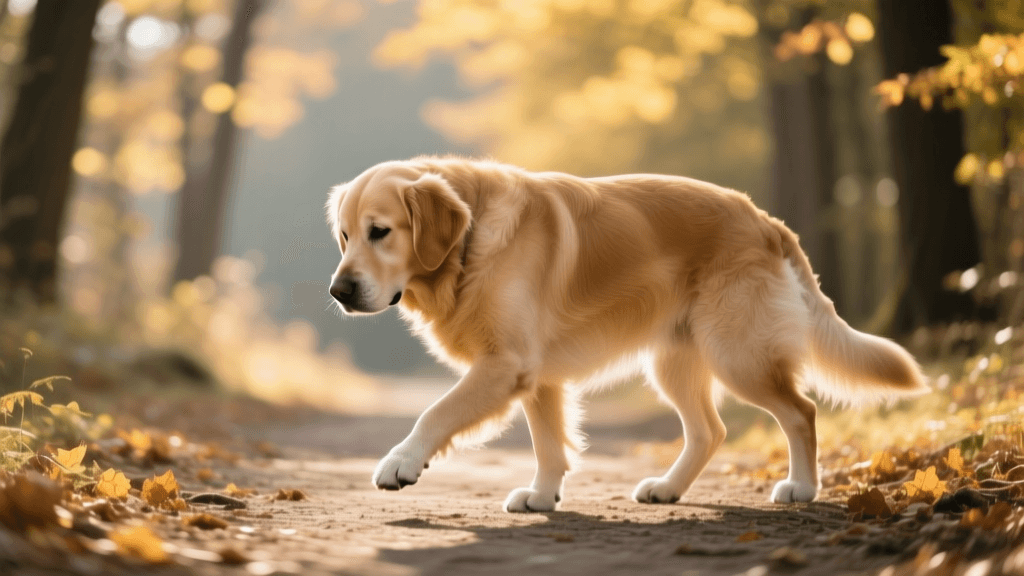
| Reluctance to climb stairs or jump into the car | They are just getting lazy or stubborn | Ascending requires intense hip and stifle extension, triggering sharp, shooting OA pain in the joints. |
| Snapping or growling when petted | They are becoming aggressive in old age | Touching near the lumbar spine or hips elicits a sudden, defensive pain reflex due to localized inflammation. |
| Pacing or restlessness at night | They have canine cognitive dysfunction (dementia) | Inability to find a comfortable resting position due to joint stiffness and pooling of inflammatory fluids. |
| Excessive licking of wrists or knees | They have developed seasonal skin allergies | Localized grooming is a self-soothing mechanism to cope with underlying deep joint aching and nerve pain. |
| House soiling in a previously trained dog | They are losing bladder control or acting out | The pain of navigating to the door or standing up from a resting position outweighs the urge to hold it. |
2026 Multimodal Treatment Protocols for Canine OA
The gold standard for canine OA treatment in 2026 is a comprehensive multimodal approach. Monotherapy, which relies on a single medication like a daily NSAID, is now considered outdated and insufficient for managing the complex behavioral and physical toll of the disease. Modern treatment plans integrate medical, environmental, and psychological interventions to address the whole dog.
Anti-NGF Monoclonal Antibodies
The most significant breakthrough in recent years has been the widespread adoption of anti-nerve growth factor (NGF) monoclonal antibodies, such as bedinvetmab. Administered as a monthly subcutaneous injection, these biologics work by binding to NGF, a protein that promotes nerve growth and pain signaling. By neutralizing NGF, the medication stops pain signals from ever reaching the brain. Unlike traditional NSAIDs, anti-NGF therapies do not carry the same long-term renal or hepatic risks, making them a cornerstone of 2026 OA protocols, especially for senior dogs with compromised organ function. According to resources from the FDA Center for Veterinary Medicine, these targeted biologics have drastically improved the quality of life for millions of arthritic dogs.
Targeted Weight Management and Cognitive Enrichment
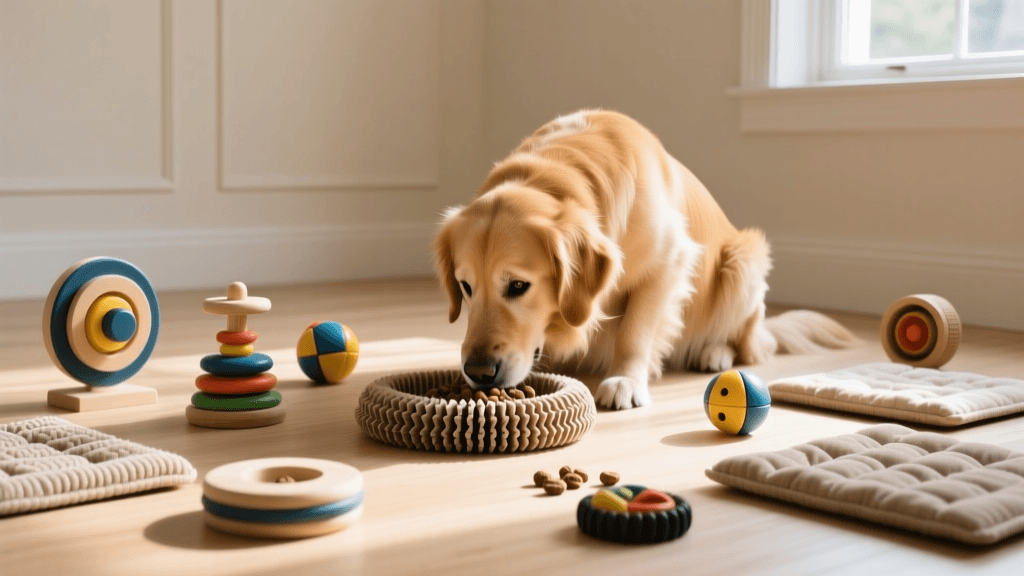
Weight management remains the single most effective modifiable risk factor for OA progression. Every extra pound places exponential stress on compromised joints. However, traditional advice to simply exercise more is counterproductive and painful for an arthritic dog. In 2026, veterinary behaviorists emphasize cognitive enrichment as a substitute for high-impact physical exercise. Mental stimulation burns just as many calories and tires the dog out without stressing the joints.
- Snuffle Mats and Foraging Toys: Encourages natural sniffing behaviors, which lowers the dog's heart rate and reduces stress hormones while keeping them sedentary.
- Frozen Lick Mats: Licking is a naturally soothing behavior for dogs. Frozen mats provide long-lasting engagement and help regulate the nervous system.
- Indoor Scent Work: Hiding low-calorie treats around the house on flat surfaces allows the dog to use their powerful olfactory senses without requiring jumping or climbing.
- Hydrotherapy: Underwater treadmills provide resistance training and cardiovascular exercise while the buoyancy of the water removes up to 90% of the dog's body weight from their joints.
Environmental and Ergonomic Modifications
Your home environment must be adapted to support a dog with limited mobility. Slippery hardwood or tile floors are a nightmare for dogs with OA, as the micro-slips cause constant, low-grade muscle strain and joint instability. In 2026, the use of interlocking foam mats or secure, low-pile area rugs in high-traffic zones is highly recommended. Additionally, orthopedic memory foam beds with supportive bolsters are essential. The bolsters allow the dog to rest their head and neck, taking the strain off the cervical spine and shoulder joints.
Raised food and water bowls are another critical modification. Bending down to eat places immense torque on the neck, shoulders, and front limbs. Elevating the bowls to chest height allows the dog to maintain a neutral spine while eating. For accessing furniture or vehicles, modular pet ramps with high-traction surfaces should replace stairs entirely. The American Veterinary Medical Association (AVMA) consistently highlights environmental modification as a primary, non-pharmaceutical pillar of chronic pain management.
Behavioral Rehabilitation and Physical Therapy
Physical rehabilitation is no longer reserved for post-surgical recovery; it is a frontline treatment for chronic OA. Certified canine rehabilitation therapists use a combination of Class IV therapeutic laser, targeted massage, and proprioceptive exercises to maintain muscle mass. Muscle atrophy is a secondary consequence of OA; as the dog moves less to avoid pain, the supporting muscles weaken, placing even more burden on the joints. Gentle, guided range-of-motion exercises help maintain joint capsule flexibility and stimulate the production of synovial fluid, which naturally lubricates the joints.
Final Thoughts on Empathy and Observation
Understanding your dog's osteoarthritis requires looking beyond the obvious limp. It demands a deep empathy for the psychological burden of chronic pain and a willingness to adapt your home, your routine, and your expectations. By decoding the subtle behavioral shifts and implementing a modern, 2026 multimodal treatment plan, you can do more than just manage your dog's physical symptoms. You can restore their confidence, ease their anxiety, and give them the comfortable, joyful golden years they deserve.
marcus-aldridge
All our authors care for dogs every day — read more of their work on the authors page.