Canine OA Rehab Training: Top Low-Impact Exercises 2026
Discover 2026 canine OA rehab training techniques. Learn low-impact exercises, balance tricks, and conditioning routines to manage dog osteoarthritis.
The Evolution of Canine OA Treatment in 2026
Canine osteoarthritis (OA) is a progressive, degenerative joint disease that affects millions of dogs worldwide, leading to chronic pain, stiffness, and a severe reduction in mobility. As we navigate veterinary care and dog training in 2026, the consensus on treating OA has shifted dramatically from purely pharmaceutical interventions to a comprehensive, multimodal approach. While monthly anti-NGF monoclonal antibody injections and targeted NSAIDs remain foundational, veterinary rehabilitation specialists now emphasize that structured, low-impact training is non-negotiable for long-term joint health.
According to the American Kennel Club (AKC), managing OA requires a combination of weight control, medical therapy, and targeted physical conditioning to preserve muscle mass and joint stability. As a dog trainer or an engaged owner, adapting your obedience and trick routines to accommodate an OA diagnosis is one of the most impactful ways you can improve your dog's quality of life. This guide explores the best low-impact training exercises, conditioning gear, and behavioral modifications for dogs with osteoarthritis in 2026.
Why Training is Crucial for OA Management
When a dog experiences joint pain, their natural instinct is to reduce movement. While rest is necessary during acute flare-ups, prolonged inactivity leads to muscle atrophy. The muscles surrounding the hips, stifles (knees), and shoulders act as shock absorbers; when they weaken, the mechanical load shifts directly onto the already compromised joints and ligaments, accelerating the degeneration of cartilage.
Rehabilitation training focuses on 'proprioception' (body awareness) and 'isometric holds' (muscle contraction without joint movement). By teaching specific, controlled tricks and conditioning exercises, you force your dog to engage deep stabilizing muscles. This creates a natural 'brace' around the joint, reducing pain and improving mobility without the concussive force of traditional high-impact activities like fetch or agility jumping.
Essential Low-Impact Training Equipment
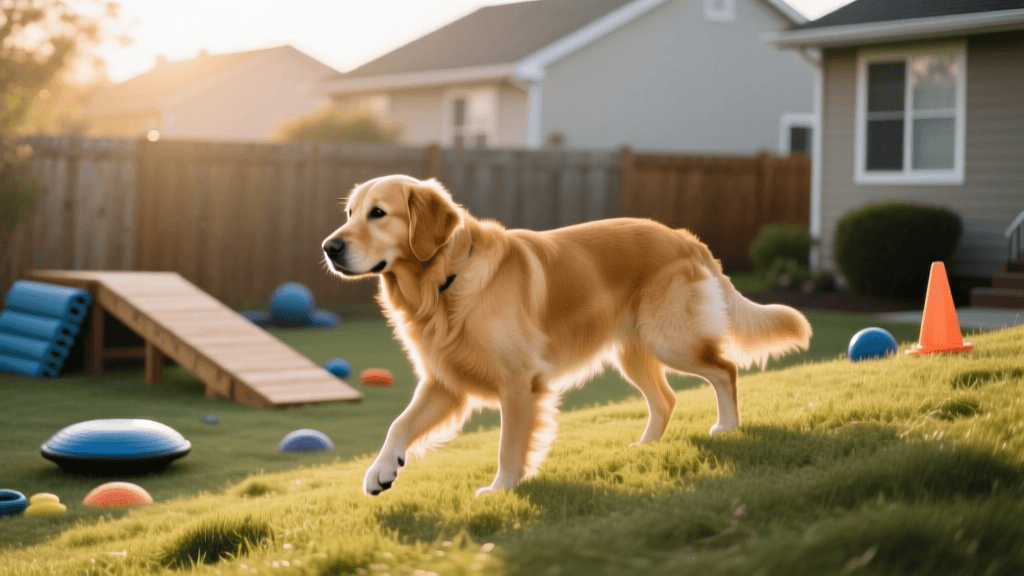
To safely condition a dog with OA, you must invest in specialized, low-impact gear. In 2026, the veterinary rehabilitation market offers excellent tools designed specifically for senior canine joints. Here are the top three items you need for your training kit:
- FitPAWS Peanut or Donut Holder ($45 to $85): Inflation-based balance equipment forces the dog to engage deep core stabilizers. The unstable surface recruits fast-twitch muscle fibers without requiring high-impact movement.
- Adjustable Cavaletti Rails ($60 to $120): These ground-level poles teach proprioception. Look for sets with adjustable heights so you can set the poles exactly at the height of your dog's carpus (front wrist) or hock (rear ankle).
- Klimb Dog Training Platform ($180 to $220): A sturdy, elevated platform with a non-slip surface. This is essential for teaching stationary tricks like 'paws up' without the dog having to navigate slippery hardwood floors, which can exacerbate hip and stifle injuries.
4 Core Rehab Training Exercises for Dogs with OA
1. The Supported Balance Stand
Setup: Place a non-slip mat on the floor and position your dog's front paws on a slightly inflated balance disc or a low, stable platform.
Action: Lure your dog into a standing position. Ask for a 'stay' and reward them for holding the position. The goal is to keep the spine neutral while the core muscles fire to maintain balance on the unstable surface.
Progression: Start with 3-second holds and gradually build up to 15-second holds over several weeks. This builds shoulder stability and core strength without requiring the dog to walk or bear excessive dynamic weight.
2. Cavaletti Pole Stepping
Setup: Lay out 4 to 6 Cavaletti poles in a straight line. Space them apart at a distance equal to your dog's normal walking stride. Set the height just below the dog's carpus.
Action: On a short leash, walk your dog through the poles at a slow, deliberate walking pace. Do not allow trotting or running. The dog must actively lift and flex each joint to clear the poles.
Progression: Once the dog is confident, slightly alter the spacing between the poles to force them to adjust their stride length, which engages different muscle groups in the hindquarters and improves spinal flexibility.
3. Stationary Paw Targets
Setup: Place a small, flat target (like a silicone coaster or a specialized paw target pad) on a non-slip surface.
Action: Lure your dog to place one front paw on the target and reward. Once mastered, ask them to place both front paws on the target while keeping their hind paws on the ground.
Progression: Teach the 'pivot' cue. With the front paws anchored on the target, use a treat to lure the dog's head in a circle, forcing their hind legs to step laterally. This is one of the most effective exercises for building gluteal and hip abductor strength in dogs with hip dysplasia or OA.
4. Backing Up (Rear-End Awareness)
Setup: Stand facing your dog in a narrow hallway or use a baby gate to prevent them from turning around.
Action: Take a slow step toward your dog. Most dogs will naturally take a step backward to maintain their personal space. The moment they move a hind leg backward, click or use your marker word and reward.
Progression: Shape the behavior until the dog can back up 5 to 10 steps in a straight line on cue. Backing up forces the dog to shift their center of gravity rearward, actively engaging the hamstrings and glutes, which are critical for supporting arthritic hips.
Training Modifications: What to Stop and What to Start
Traditional obedience and trick training often involve movements that are highly detrimental to arthritic joints. Use the table below to audit your current training repertoire and swap out dangerous exercises for OA-safe alternatives.
| Traditional High-Impact Trick | 2026 OA-Safe Modification | Primary Therapeutic Benefit |
|---|---|---|
| Jumping through hoops | Ground-level hoop weaving (slow pace) | Spinal flexibility without joint concussion |
| Fetch with hard stops | Rolling treat puzzles on a snuffle mat | Mental stimulation without sudden braking |
| Sit-pretty (begging) | Supported stand on a balance disc | Core stability without lumbar compression |
| Agility A-Frame | Cavaletti pole grids | Controlled joint flexion and extension |
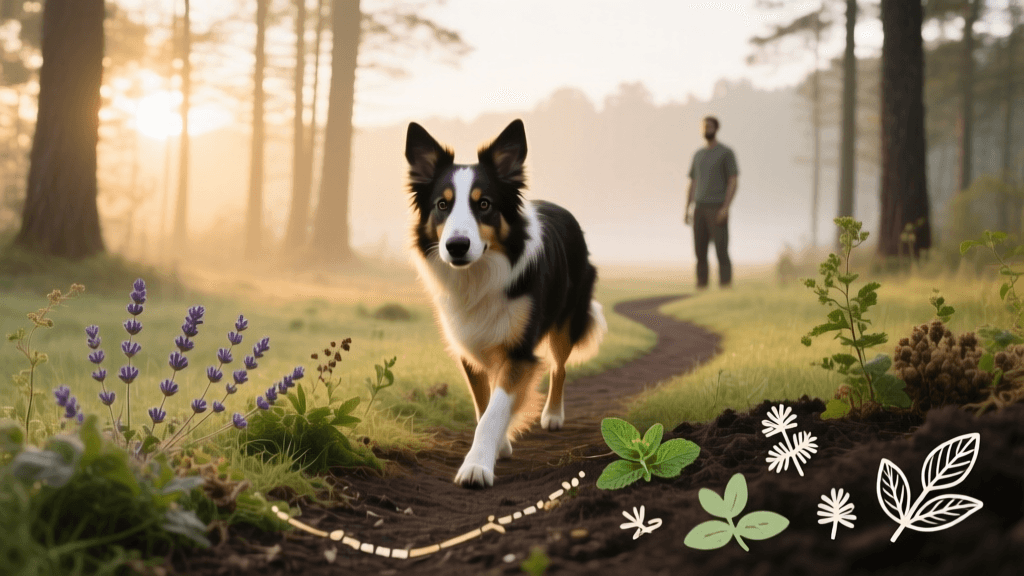
| Fast recalls (sprinting) | Slow, methodical scent trailing | Cardiovascular activity without impact |
Aligning Training with 2026 OA Medication Schedules
The pharmacological landscape for canine OA in 2026 is dominated by anti-NGF (Nerve Growth Factor) monoclonal antibodies, alongside traditional NSAIDs like carprofen or meloxicam. As the U.S. Food and Drug Administration (FDA) notes, these medications are vital for preserving quality of life, but they require careful management when paired with physical training.
The primary danger of anti-NGF therapies is that they can completely eliminate the pain feedback loop. Your dog may feel like a puppy and attempt to jump onto the couch or sprint during a recall drill, unaware that they are causing micro-trauma to their degenerating cartilage. Therefore, as a trainer or owner, you must enforce strict, artificial limits. Keep all rehab training sessions to a maximum of 10 to 12 minutes. Schedule these sessions for the time of day when your dog's oral pain medications are at peak efficacy—usually 2 to 3 hours after their morning dose—to ensure they are comfortable but not overexerting themselves due to masked pain signals. The American Animal Hospital Association (AAHA) strongly advocates for this multimodal, heavily monitored approach to ensure rehabilitation remains therapeutic rather than destructive.
Recognizing Pain Signals During Sessions
Because modern 2026 OA medications are highly effective at masking discomfort, your dog may not whine or limp during a training session. Instead, you must become an expert in reading subtle canine body language. If you observe any of the following signs, terminate the training session immediately and allow your dog to rest:
- Whale Eye: Showing the whites of the eyes while looking away from you.
- Lip Licking and Yawning: Excessive, out-of-context lip licking or yawning are classic canine calming signals that indicate stress or physical discomfort.
- Refusal to Perform a Known Cue: If your dog suddenly disobeys a basic sit or down command, do not repeat the cue. Assume the physical act of folding their joints is causing acute pain.
- Shaking Off: A full-body shake when the dog is not wet or waking up is a physiological reset mechanism often triggered by a spike in pain or stress.
Final Thoughts
Training a dog with osteoarthritis requires patience, empathy, and a willingness to abandon traditional high-impact tricks in favor of intentional, therapeutic conditioning. By utilizing low-impact equipment, enforcing strict time limits, and aligning your training schedule with modern pain management protocols, you can help your senior dog maintain their strength, dignity, and joy well into their golden years. Remember, the goal of OA rehab training is not to achieve perfect obedience, but to build a resilient, comfortable body that allows your best friend to navigate the world with confidence.
tom-renshaw
All our authors care for dogs every day — read more of their work on the authors page.