Training Dogs With OA: 2026 Low-Impact Obedience Guide
Discover 2026 low-impact training techniques for dogs with osteoarthritis. Keep your senior dog mentally sharp and obedient without worsening joint pain.
The Intersection of Canine OA Treatment and Obedience Training
Canine osteoarthritis (OA) is a progressive, degenerative joint disease that affects a significant portion of the aging dog population. According to the American Veterinary Medical Association (AVMA), OA is one of the most common chronic conditions in dogs, leading to stiffness, reduced mobility, and chronic pain. However, a diagnosis of osteoarthritis does not mean the end of your dog's training journey. In fact, maintaining a structured training routine is vital for cognitive health and behavioral stability.
As we navigate the veterinary landscape of 2026, the approach to canine OA treatment has shifted dramatically toward comprehensive pain management and joint preservation. While advanced therapies like anti-Nerve Growth Factor (anti-NGF) monoclonal antibodies have revolutionized pain relief, they do not reverse joint degradation. Therefore, dog owners and trainers must adapt their obedience conditioning to accommodate physical limitations. Training a dog with OA requires a pivot from high-impact physical drills to low-impact, mentally stimulating exercises that preserve joint health while keeping your canine companion sharp and engaged.
Rethinking Core Obedience: Protecting the Joints
Traditional obedience training relies heavily on repetitive physical movements. Commands like "sit," "down," and "stand" require dogs to repeatedly fold and unfold their joints, placing immense torque on the stifles (knees), hips, and elbows. For a dog undergoing OA treatment, these repetitive motions can cause micro-traumas and flare-ups, leading to training aversion and behavioral regression.
Replacing the "Sit" and "Down"
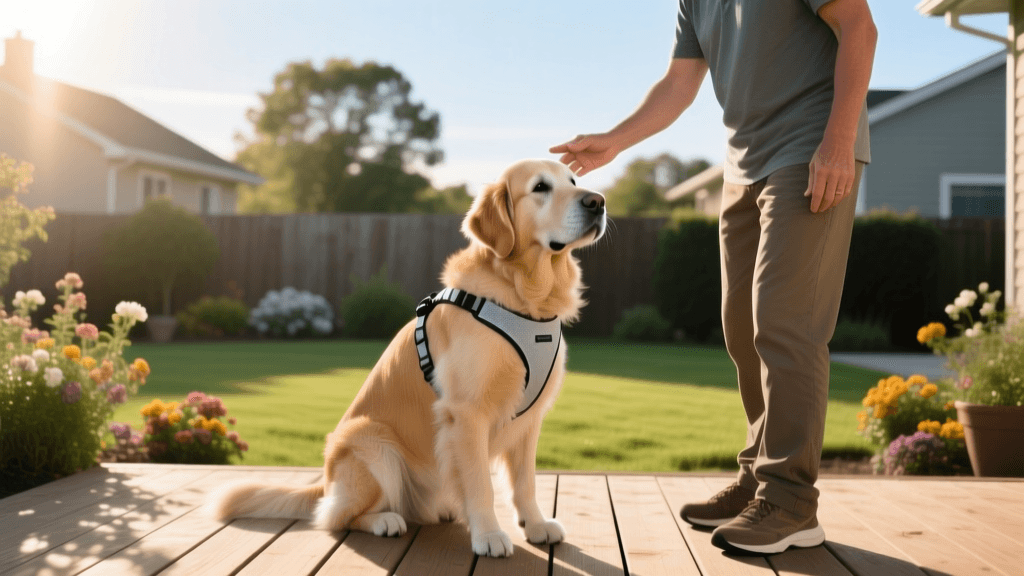
In 2026, modern canine behaviorists advocate for replacing high-flexion commands with joint-neutral alternatives. Instead of asking your dog to "sit" while waiting at a crosswalk or greeting guests, train a solid "stand" or a "settle" on an orthopedic mat. The "stand" command keeps the dog's weight distributed evenly across all four limbs without requiring the deep stifle flexion of a sit. Similarly, asking a dog with hip dysplasia or severe OA to repeatedly lie down on a hard surface can be agonizing. Replace the traditional "down" with a "chin rest" or a "target" command, where the dog simply touches their nose to your hand or a designated target stick.
The Power of Targeting and Shaping
Targeting is an incredibly versatile, low-impact training tool. By teaching your dog to touch a specific object with their nose or paw, you can guide them through doorways, into vehicles, or onto grooming tables without the need for physical luring or repetitive posture changes. Shaping behaviors using a clicker or a verbal marker allows you to reward minute movements, meaning your dog can learn complex tricks using only their head, neck, or vocalizations, entirely sparing their hindquarters.
Essential 2026 Low-Impact Training Equipment
To successfully train a dog with osteoarthritis, your environment must be optimized for traction and comfort. Veterinary experts at Washington State University Veterinary Medicine note that slippery floors are a primary culprit for acute joint injuries in senior dogs. When a dog slips, they instinctively splay their legs, which can tear cruciate ligaments or aggravate existing OA.
- Orthopedic Training Mats: Use a high-density foam mat, such as the Big Barker Orthopedic Bed or a specialized Kuranda cot, as your designated "settle" spot. This provides a consistent, supportive surface for any command that requires the dog to rest their weight.
- Non-Slip Traction Aids: Lay down yoga mats or apply 2026-approved canine grip tape (like PawGrip) in your primary training areas. If your dog wears traction socks or booties, ensure they are properly fitted to prevent tripping.
- Mental Stimulation Puzzles: Physical exhaustion is no longer a viable training strategy. Instead, rely on advanced puzzle toys like the Nina Ottosson Dog Brick or interactive snuffle mats. Ten minutes of intense sniffing and problem-solving burns as much mental energy as a mile-long run, leaving your dog satisfied without the joint wear-and-tear.
Command Adaptation Chart for OA Dogs
The following table outlines how to modify standard obedience commands to accommodate dogs receiving OA treatment.
| Traditional Command | OA-Friendly Alternative | Joint Benefit |
|---|---|---|
| Sit | Stand / Wait | Eliminates deep stifle and hip flexion |
| Down | Settle (on mat) / Chin Rest | Prevents hard surface impact on elbows and hips |
| Jump / Up | Ramp Targeting / Step-Up | Reduces explosive force on the spine and hind legs |
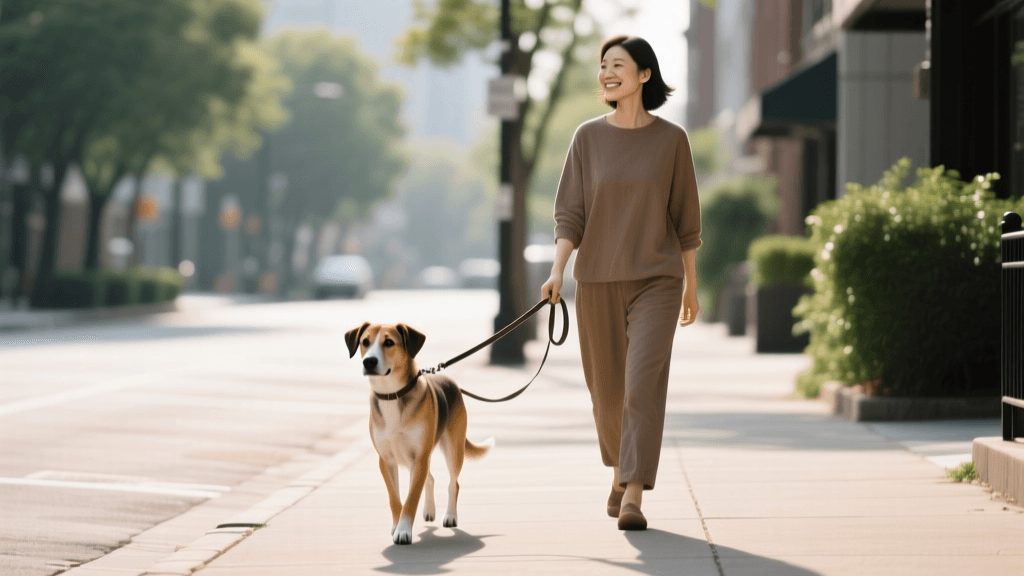
| Heel (Paced) | Loose-Leash Sniffari | Allows natural, unhurried gait and mental enrichment |
| Fetch (Sprinting) | Scent Work / Hide-and-Seek | Removes high-speed turns and sudden stops |
Scent Work: The Ultimate Low-Impact Sport
As highlighted by the American Kennel Club (AKC), senior dogs or those with mobility issues still crave a sense of purpose and mental stimulation. Scent work, or nosework, is arguably the best training discipline for a dog with OA. It taps into a dog's natural olfactory instincts and requires almost no physical exertion. You can set up scent hides using essential oils (like birch, anise, or clove) or high-value treats in accessible, ground-level locations.
Start by teaching your dog to identify a specific scent in a simple cardboard box setup. Gradually increase the complexity by hiding the scent in different rooms, under low furniture, or in outdoor garden beds. Scent work builds confidence, strengthens the bond between handler and dog, and provides a profound level of mental fatigue that helps manage anxiety and reactivity—common behavioral issues in dogs experiencing chronic pain.
Timing Training Around 2026 OA Therapies
Understanding your dog's medical treatment schedule is crucial for planning effective training sessions. In 2026, the gold standard for canine OA pain management often includes monthly injections of bedinvetmab (Librela), which targets the Nerve Growth Factor to block pain signals. While this provides immense relief, it is important to remember that the absence of pain does not mean the joint is healed. A dog on Librela may feel like a puppy and attempt to overexert themselves during training, leading to post-exercise inflammation.
If your dog is undergoing polysulfated glycosaminoglycan (PSGAG) injections, such as Adequan i.m., or receiving Class IV cold laser therapy, schedule your most demanding cognitive training sessions for the days following their treatments, when inflammation is lowest and mobility is at its peak. Keep training sessions incredibly short—no more than 3 to 5 minutes at a time—and always end on a positive, calm note. Utilize high-value, soft treats like freeze-dried liver or Zuke's Mini Naturals to maintain focus without requiring excessive chewing or jaw movement, which can sometimes be uncomfortable for older dogs with cervical (neck) arthritis.
Conclusion: Patience, Empathy, and Adaptation
Training a dog with osteoarthritis is an exercise in empathy and adaptation. By embracing the veterinary advancements of 2026 and pairing them with intelligent, low-impact behavioral conditioning, you can ensure your dog remains a well-mannered, happy, and mentally fulfilled member of your family. Ditch the repetitive physical drills, invest in environmental modifications, and lean heavily into scent work and targeting. Your dog's body may be slowing down, but with the right approach, their mind will remain as sharp and eager to learn as ever.
jonas-cole
All our authors care for dogs every day — read more of their work on the authors page.