Canine OA Behavior Changes and 2026 Treatment Options Explained
Discover how canine osteoarthritis alters your dog's behavior and psychology. Explore 2026 OA treatments like Librela and Galliprant to restore their joy.
The Silent Epidemic: Understanding the Psychology of Canine Osteoarthritis
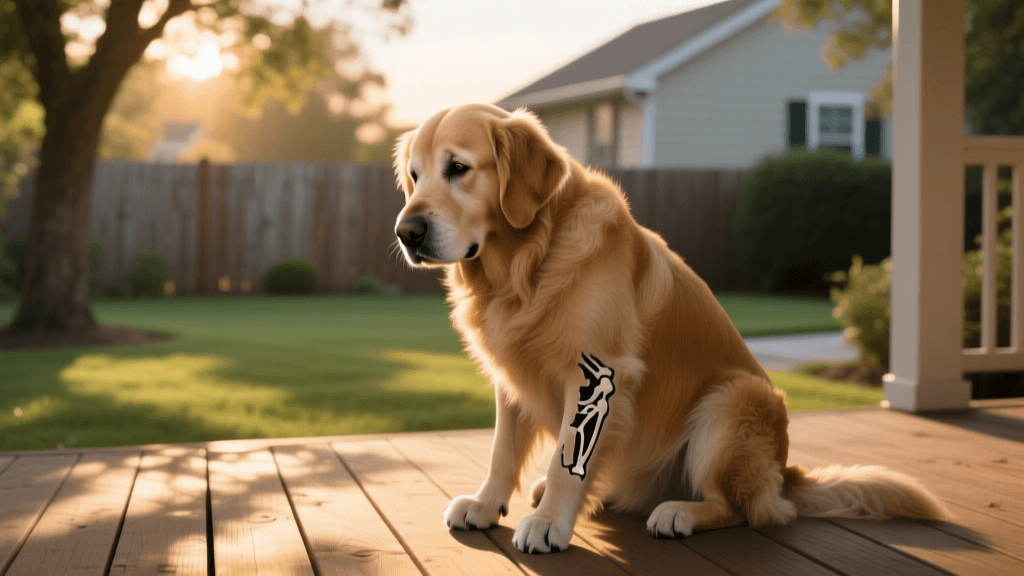
Osteoarthritis (OA) is the most common joint disease in dogs, affecting a significant portion of the aging canine population. However, as pet owners and canine behaviorists have increasingly recognized by 2026, OA is not merely a physical ailment characterized by limping or stiffness; it is a profound psychological burden. Because dogs are evolutionarily hardwired to mask pain to avoid appearing vulnerable to predators or rivals, the signs of OA often manifest first as subtle behavioral and psychological shifts rather than obvious physical disabilities. Understanding your dog means learning to decode these silent signals and utilizing modern veterinary interventions to restore their mental well-being and natural joy.
Decoding the Body Language of Joint Pain
When a dog experiences chronic joint pain, their entire body language shifts to protect the affected areas. You might notice a lowered head carriage, a tucked tail, or a reluctance to make eye contact. According to the Cornell University College of Veterinary Medicine, dogs with OA often exhibit a stiff, stilted gait and may hesitate before jumping into vehicles or onto furniture. Beyond the obvious stiffness, watch for displacement behaviors—actions that seem out of context, such as excessive lip licking, sudden yawning when not tired, or 'shaking off' as if wet when they are completely dry. These are classic canine calming signals indicating internal stress and physical discomfort.
Behavioral Shifts: When the 'Good Boy' Becomes Irritable
Chronic pain fundamentally alters a dog's personality. A previously sociable and tolerant dog may begin to exhibit resource guarding, snap when touched, or isolate themselves in quiet corners of the house. This irritability stems from a psychological state of hyper-vigilance; the dog feels physically compromised and fears they cannot escape a perceived threat quickly. Furthermore, OA severely disrupts canine sleep architecture. Dogs with untreated joint pain often pace at night, circle repeatedly before lying down, or wake frequently due to stiffness. This chronic sleep deprivation leads to daytime lethargy, cognitive dullness, and a shortened temper, creating a vicious cycle of stress and physical decline.
2026 Breakthroughs in Canine OA Treatment Protocols
The landscape of veterinary pain management has evolved dramatically by 2026, shifting away from simply masking symptoms to targeting the specific neurological pathways of joint pain. Modern treatment protocols focus on multimodal therapy, combining advanced pharmacology with environmental and behavioral modifications to ensure the dog's psychological needs are met alongside their physical ones.
Monoclonal Antibodies: The Librela Revolution
The most significant paradigm shift in recent years is the widespread adoption of anti-Nerve Growth Factor (anti-NGF) monoclonal antibodies, specifically bedinvetmab (marketed as Librela). NGF is a protein that becomes elevated in arthritic joints and is directly responsible for transmitting pain signals to the brain and causing neurogenic inflammation. By neutralizing NGF, Librela effectively turns off the pain signal at the source. From a behavioral perspective, the results are often described by owners as 'getting their old dog back.' Dogs that had ceased playing, interacting, or exploring due to chronic pain frequently resume these natural, joy-driven behaviors within weeks of starting monthly Librela injections, as the psychological weight of constant pain is lifted.
Targeted NSAIDs and Piprants
For dogs requiring daily oral medication, grapiprant (Galliprant) remains a cornerstone of 2026 OA management. Unlike traditional non-steroidal anti-inflammatory drugs (NSAIDs) that inhibit COX enzymes and can impact the gastrointestinal tract and kidneys over time, Galliprant specifically targets the EP4 prostaglandin receptor. This targeted approach effectively reduces joint inflammation and pain while maintaining a high safety profile for long-term use. By keeping inflammation in check, dogs maintain the physical comfort necessary to engage in positive behavioral training and low-impact socialization.
Comparing 2026 OA Treatments and Behavioral Outcomes
| Treatment Type | Primary Mechanism | Behavioral Impact | Administration |
|---|---|---|---|
| Bedinvetmab (Librela) | Neutralizes Nerve Growth Factor (NGF) | Rapid return of play behaviors; reduced nighttime pacing and irritability. | Monthly subcutaneous injection |
| Grapiprant (Galliprant) | Blocks EP4 prostaglandin receptors | Improved mobility confidence; increased willingness to engage in training. | Daily oral chew tablet |
| Adequan (PSGAG) | Inhibits cartilage-degrading enzymes | Long-term joint lubrication leading to sustained, steady activity levels. | Bi-weekly intramuscular injection |
| Therapeutic Omega-3s | Reduces systemic cellular inflammation | Enhanced cognitive function and reduced anxiety linked to chronic discomfort. | Daily dietary supplementation |
Behavioral Enrichment and Environmental Modifications
Medical treatment must always be paired with environmental and behavioral support. As noted by the Merck Veterinary Manual, managing the physical environment reduces the mechanical stress on arthritic joints, while behavioral enrichment ensures the dog's mind remains active even when their body is limited.
Optimizing the Physical Environment
Dogs with OA require predictable, low-friction environments. Replace slippery hardwood or tile floors with interlocking foam mats or secure area rugs to prevent splaying, which causes micro-traumas to already compromised joints. Invest in an orthopedic bed featuring a minimum of four inches of high-density memory foam to properly distribute their weight and prevent pressure sores. Furthermore, utilize pet ramps with a gentle incline (ideally no steeper than an 18-degree angle) to help them access vehicles or elevated sleeping areas without the explosive joint force required for jumping.
Mental Stimulation for the Physically Limited Dog
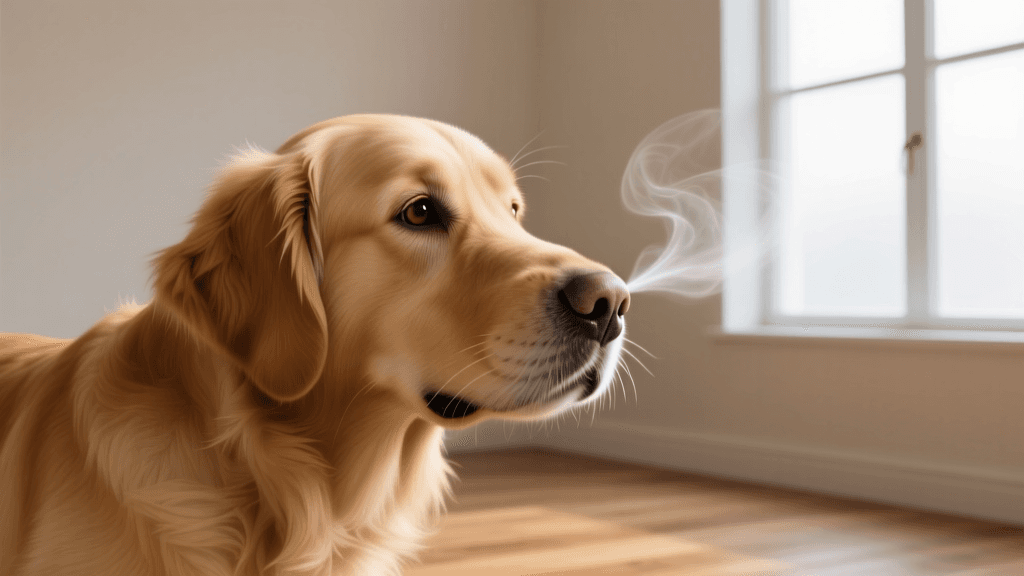
When physical exercise like long hikes or fetch is restricted, psychological enrichment becomes vital to prevent depression and destructive behaviors born of boredom. The American Kennel Club emphasizes the importance of adapting activities to the dog's physical capabilities. Utilize snuffle mats, lick mats, and puzzle feeders to encourage natural foraging instincts. These activities engage the canine brain, release dopamine, and provide a sense of accomplishment without requiring high-impact movement. Scent work is another phenomenal 2026 behavioral therapy for arthritic dogs; hiding high-value treats around a single room allows the dog to exercise their powerful olfactory senses and build confidence while moving at their own slow, deliberate pace.
Conclusion: Restoring Your Dog's True Personality
Understanding your dog means looking beyond the obvious limp and recognizing the profound psychological toll that osteoarthritis takes on their daily life. The irritability, the sleepless nights, and the withdrawal from family activities are not signs of aging; they are cries for help from a dog burdened by chronic pain. By leveraging advanced 2026 treatments like NGF-neutralizing monoclonal antibodies and targeted piprants, alongside thoughtful environmental modifications and mental enrichment, we can do more than just manage a disease. We can restore our canine companions' true personalities, allowing them to live their senior years with the comfort, dignity, and joy they so deeply deserve.
marcus-aldridge
All our authors care for dogs every day — read more of their work on the authors page.