Canine OA Pain Behavior: 2026 Treatments To Restore Joy
Discover how canine osteoarthritis alters dog behavior and body language. Explore 2026 OA treatments like Librela to relieve pain and restore joy.
The Hidden Psychology of Canine Osteoarthritis
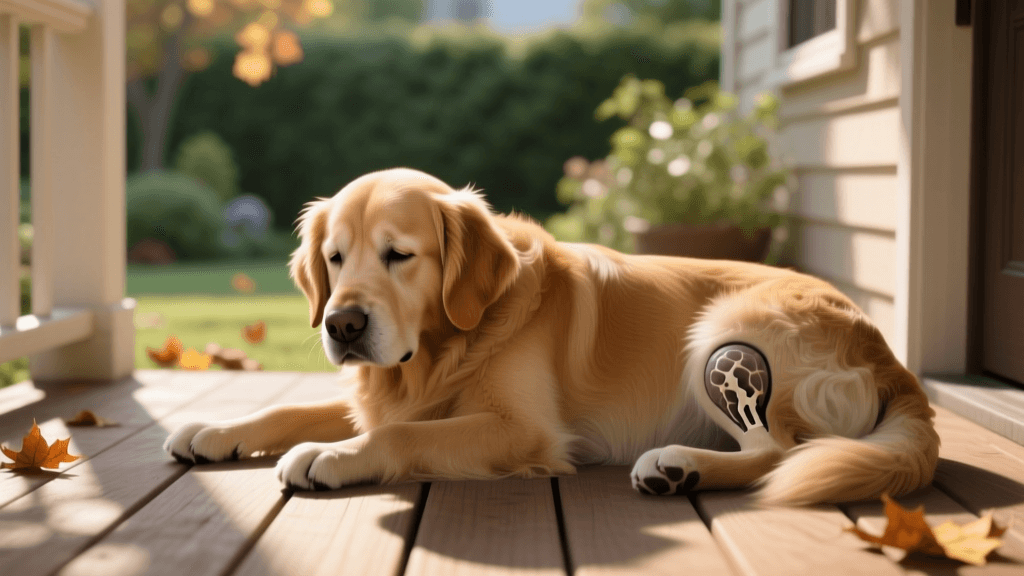
Canine osteoarthritis (OA) is frequently misunderstood by pet owners as a purely physical ailment, characterized solely by limping or stiffness. However, as experts in canine psychology and behavior, we must recognize that chronic joint pain profoundly alters a dog's mental state, communication signals, and overall personality. In 2026, the veterinary and behavioral communities are more aligned than ever in understanding that treating the physical symptoms of OA is only half the battle; the true goal is restoring the dog's psychological well-being and natural behavioral repertoire.
From an evolutionary standpoint, dogs are hardwired to mask pain. In the wild, displaying weakness could result in being ostracized from the pack or targeted by predators. Consequently, our domestic companions possess a stoic nature that often delays the diagnosis of OA until the condition is advanced. By the time a dog exhibits an obvious limp, they have often been suffering in silence for months or even years. Understanding the subtle behavioral shifts that precede physical lameness is critical for early intervention and preserving your dog's quality of life.
Behavioral Red Flags of Joint Pain
Before a dog vocalizes their pain through whining or yelping, they will communicate their discomfort through altered body language and behavioral changes. Recognizing these signals is the first step in understanding your dog's internal experience:
- Pain-Induced Reactivity and Aggression: A previously gentle dog may suddenly snap or growl when petted, brushed, or approached while resting. This is not a sudden shift in temperament, but a defensive reflex triggered by the anticipation of pain.
- Reluctance and Avoidance Behaviors: Dogs with OA often develop phobias of slippery floors, car rides, or stairs. They may begin hiding under furniture or in isolated rooms to avoid interactions that could lead to physical exertion or accidental bumps.
- Altered Posture and Gait: Beyond a simple limp, look for a hunched back, a persistently tucked tail, or a 'bunny-hopping' gait. Dogs will shift their weight to compensate for painful joints, leading to secondary muscle tension and spinal discomfort.
- Lethargy Mistaken for 'Calming Down': Many owners assume their senior dog is simply maturing or settling into old age. In reality, this profound lethargy is often a psychological withdrawal from a world that has become physically painful to navigate.
According to the American Animal Hospital Association (AAHA), recognizing these subtle behavioral changes and implementing multimodal pain management strategies is essential for improving the welfare of dogs suffering from degenerative joint disease.
Breakthrough 2026 OA Treatments and Behavioral Outcomes
The year 2026 has brought remarkable advancements in veterinary pain management, shifting the focus from merely masking inflammation to targeting the neurological pathways of pain itself. When pain is effectively managed, the behavioral transformation in dogs is often nothing short of miraculous, with senior pets reverting to puppy-like playfulness and renewed confidence.
1. Anti-NGF Monoclonal Antibodies (Bedinvetmab / Librela)
Perhaps the most significant paradigm shift in modern veterinary medicine is the widespread adoption of anti-Nerve Growth Factor (anti-NGF) monoclonal antibodies. Administered as a monthly subcutaneous injection, bedinvetmab (commercially known as Librela) works by neutralizing NGF, a protein that amplifies pain signals before they ever reach the brain. Because it is a species-specific canine antibody, it bypasses the liver and kidneys, making it incredibly safe for senior dogs with concurrent organ issues. Behaviorally, dogs on anti-NGF therapy frequently show increased mobility, reduced anxiety, and a return to social engagement within the first two weeks of treatment.
2. Targeted EP4 Receptor Antagonists (Grapiprant / Galliprant)
For dogs requiring daily oral medication, grapiprant remains a cornerstone of 2026 OA management. Unlike traditional non-steroidal anti-inflammatory drugs (NSAIDs) that inhibit COX enzymes and can cause gastrointestinal or renal side effects, grapiprant specifically blocks the EP4 receptor—the primary mediator of PGE2-induced inflammation and pain. This targeted approach allows dogs to maintain their daily activities without the systemic fatigue or digestive discomfort associated with older medications, preserving their natural appetite and energy levels.
3. Advanced Regenerative Therapies and Polynucleotides
Regenerative medicine has matured significantly by 2026. Intra-articular injections of polynucleotides and advanced mesenchymal stem cell therapies are now widely available at specialized veterinary orthopedic centers. These treatments aim to modulate the joint environment, reduce cartilage degradation, and promote tissue healing. The American College of Veterinary Surgeons (ACVS) notes that combining regenerative joint injections with targeted physical rehabilitation yields the best long-term outcomes for joint biomechanics and patient comfort.
Comparing 2026 Canine OA Treatments
Choosing the right treatment requires understanding how different modalities impact your dog's daily life and behavior. Below is a comparative overview of the leading 2026 OA therapies:
| Treatment Type | Brand Example | Mechanism of Action | Behavioral Impact & Onset |
|---|---|---|---|
| Anti-NGF Antibody | Librela (Bedinvetmab) | Neutralizes Nerve Growth Factor to block pain signaling. | High; profound return of playful behavior. Onset: 7-14 days. |
| EP4 Antagonist | Galliprant (Grapiprant) | Blocks specific inflammatory pain receptors (EP4). | Moderate to High; improved daily mobility. Onset: 1-3 days. |
| Polynucleotide Injection | Nucleofill / Vet Joint+ | Cellular repair, lubrication, and joint environment modulation. | Gradual; long-term confidence in movement. Onset: 3-4 weeks. |
| Traditional NSAID | Carprofen / Meloxicam | Inhibits COX enzymes to reduce systemic inflammation. | Variable; effective but potential for systemic lethargy. Onset: 2-4 days. |
Environmental Psychology: Supporting the OA Dog
Medical intervention must be paired with environmental modifications to fully support a dog's psychological recovery. A dog that has experienced chronic pain develops 'learned helplessness,' a psychological state where they stop trying to engage with their environment because past attempts resulted in discomfort. Rebuilding their confidence requires a carefully managed habitat.
Cognitive Enrichment for Limited Mobility
When physical exercise is restricted, mental stimulation becomes paramount to prevent depression and anxiety. The American Kennel Club (AKC) emphasizes that keeping a dog's mind active is just as important as managing their physical joint health. Incorporate the following low-impact enrichment strategies:
- Olfactory Work: Snuffle mats and scent-tracking games in a small, carpeted area allow dogs to fulfill their natural foraging instincts without stressing their joints. Scent work releases dopamine, acting as a natural mood elevator.
- Lick Mats and Food Puzzles: Licking is a self-soothing behavior for dogs. Providing frozen lick mats can reduce anxiety and provide hours of low-physical-impact engagement.
- Target Training: Teaching your dog to touch a target stick or perform gentle, stationary tricks (like 'speak' or 'balance on a low paw pad') keeps their neural pathways active and reinforces the human-animal bond.
Physical Habitat Adjustments
Eliminate the need for jumping entirely. In 2026, high-traction, modular foam ramps and orthopedic memory-foam beds with bolsters are considered standard care for OA dogs. Bolsters provide a sense of security and physical support, allowing the dog's muscles to fully relax during sleep, which is critical for pain recovery. Furthermore, placing non-slip yoga mats or specialized canine traction rugs over hardwood floors prevents the micro-slips that cause severe anxiety in dogs with compromised joint stability.
Rebuilding the Human-Canine Bond
Chronic pain strains the relationship between dog and owner. Misinterpreted aggression, ruined house-training due to an inability to navigate stairs, and the emotional toll of watching a beloved pet suffer can lead to caregiver burnout. By leveraging modern 2026 treatments like anti-NGF therapies and targeted environmental enrichment, you are not just treating a disease; you are rescuing your dog's true personality from the prison of chronic pain.
Understanding your dog means looking beyond the physical limp and seeing the psychological burden they carry. With the right veterinary partnership, empathetic observation, and a commitment to modern pain management, you can help your senior dog rediscover the joy, playfulness, and deep connection that defines the best years of their life.
robin-maitland
All our authors care for dogs every day — read more of their work on the authors page.