Canine OA Pain Behavior and Top 2026 Treatment Options
Learn to decode your dog's hidden osteoarthritis pain through behavioral cues and discover the most effective, vet-approved OA treatments available in 2026.
Osteoarthritis (OA) is one of the most pervasive yet misunderstood conditions affecting domestic dogs. As of 2026, veterinary epidemiologists estimate that over 20% of all adult dogs and more than 80% of senior dogs suffer from some degree of degenerative joint disease. However, because dogs are evolutionarily hardwired to mask physical weakness, the outward signs of OA rarely present as obvious limping until the disease is in its advanced stages. Instead, canine OA manifests primarily through subtle shifts in behavior, body language, and psychology. Understanding these hidden signals is the critical first step toward seeking modern, targeted interventions.
The Evolutionary Psychology of Hidden Pain
To understand why your dog hides their joint pain, we must look to their ancestral roots. In the wild, displaying physical vulnerability makes a canid a target for predators and risks their standing within the pack hierarchy. Domestic dogs, despite thousands of years of selective breeding, retain this deeply ingrained stoicism. They do not understand that a veterinarian can help them; they only know that acknowledging pain might compromise their safety. Consequently, a dog with OA will often compensate by altering their movement patterns and daily routines, absorbing the physiological toll silently. Recognizing OA requires shifting our focus from looking for obvious physical distress to observing nuanced behavioral deviations.
Decoding Canine Body Language: The Subtle Signs of OA
When chronic joint pain sets in, a dog's body language and daily habits undergo profound changes. According to the American Kennel Club, owners should monitor for the following behavioral red flags that frequently indicate underlying osteoarthritis:
- Micro-Expressions of Stress: Dogs experiencing chronic pain often exhibit subtle calming signals or stress indicators. Look for excessive lip licking, sudden panting when the room is cool, pinned-back ears, or a tightly drawn commissure (the corners of the mouth pulled back). These are autonomic nervous system responses to persistent discomfort.
- Altered Social Dynamics and Aggression: A previously affectionate dog may begin to withdraw from family interactions or seek isolation in quiet corners. Conversely, some dogs develop uncharacteristic irritability or aggression, particularly when touched near the hips, spine, or hindquarters. This is often due to allodynia—a condition where normal touch is perceived as painful due to a sensitized nervous system.
- Changes in Sleep Architecture: Joint inflammation worsens when a dog is sedentary. You may notice your dog pacing at night, frequently changing sleeping positions, or struggling to find a comfortable posture. They may also sleep more during the day due to the exhaustion caused by poor nighttime rest.
- Reluctance and Avoidance Behaviors: This includes hesitating before jumping into the car, avoiding slippery hardwood floors, taking shorter strides, or abandoning favorite activities like fetching or agility. Some dogs may also begin having accidents in the house simply because the physical effort of walking to the door or navigating stairs to go outside has become too painful.
The Psychological Toll of Chronic Joint Degeneration
Chronic pain does not just affect the body; it fundamentally alters a dog's psychological state. Dogs with untreated OA are highly prone to developing anxiety and learned helplessness. When a dog realizes that movement consistently results in pain, they may stop trying to engage with their environment altogether. This lack of mental and physical stimulation can lead to cognitive decline and depressive-like states. Furthermore, the constant low-level stress of managing pain elevates cortisol levels, which can suppress the immune system and accelerate the aging process. Treating OA is not just about preserving cartilage; it is about restoring your dog's confidence and joy.
2026 Veterinary Treatments: Targeting Pain at the Source
The landscape of canine OA treatment has evolved dramatically. While traditional NSAIDs (Non-Steroidal Anti-Inflammatory Drugs) remain a staple, the 2026 veterinary consensus heavily favors targeted therapies that minimize systemic side effects while maximizing mobility. Veterinary experts at Washington State University emphasize a multimodal approach, combining medical management with environmental and physical therapies.
Monoclonal Antibodies (Librela): Bedinvetmab, marketed as Librela, has revolutionized OA management. Administered as a monthly subcutaneous injection, Librela specifically targets and neutralizes Nerve Growth Factor (NGF), a primary driver of OA pain signaling. Because it is a species-specific canine antibody, it is metabolized like natural proteins, bypassing the liver and kidneys entirely. This makes it a groundbreaking option for senior dogs with concurrent renal or hepatic issues.
EP4 Receptor Antagonists (Galliprant): Grapiprant (Galliprant) represents a newer class of pain relief that targets the prostaglandin E2 (PGE2) EP4 receptor specifically. Unlike traditional NSAIDs that block COX enzymes systemically—often leading to gastrointestinal or renal complications—Galliprant blocks the specific receptor responsible for OA inflammation and pain, offering a wider safety margin for long-term daily use.
Disease-Modifying Osteoarthritis Drugs (DMOADs): Injectable polysulfated glycosaminoglycans (PSGAGs), such as Adequan, continue to be a cornerstone of joint health. These injections help inhibit cartilage-degrading enzymes while stimulating the production of hyaluronic acid, improving joint lubrication and slowing the structural progression of the disease.
Comparing 2026 OA Management Options
Below is a structured comparison of the most prominent veterinary OA treatments available in 2026 to help you discuss options with your veterinarian:
| Treatment Type | Mechanism of Action | Best Suited For | 2026 Est. Monthly Cost |
|---|---|---|---|
| Librela (Bedinvetmab) | NGF Inhibition (Monoclonal Antibody) | Dogs with kidney/liver disease; severe chronic pain | $80 - $160 (Weight-based) |
| Galliprant (Grapiprant) | EP4 Receptor Antagonist | Dogs requiring daily oral medication with GI sensitivity | $60 - $130 (Weight-based) |
| Adequan Canine (PSGAG) | Cartilage Matrix Protection & Lubrication | Early-to-mid stage OA; slowing structural degeneration | $40 - $90 (Maintenance phase) |
| Omega-3 Fatty Acids (EPA/DHA) | Systemic Inflammation Reduction | All OA dogs as a foundational nutraceutical supplement | $25 - $50 |
Adapting Your Home and Training for the OA Dog
Medical treatment must be paired with environmental and psychological support. To reduce the mechanical load on your dog's joints, replace slippery floor surfaces with interlocking foam mats or high-traction area rugs. Invest in a high-density orthopedic memory foam bed that supports joint alignment, and utilize ramps for vehicle entry and furniture access.
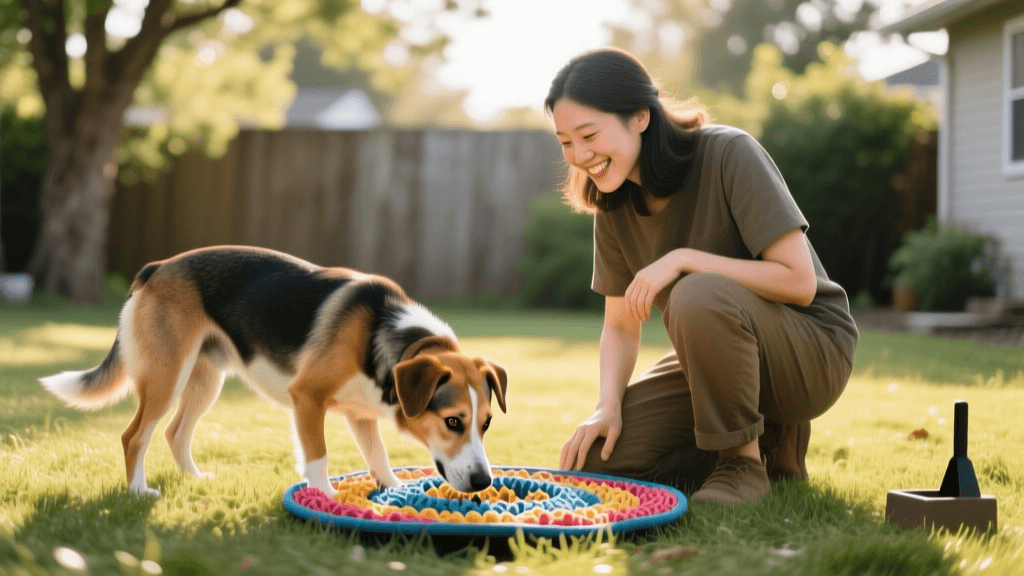
From a behavioral standpoint, it is vital to replace high-impact physical exercises with low-impact mental enrichment. Scent work, snuffle mats, and frozen lick mats provide intense cognitive stimulation that tires the dog out without stressing their joints. Training sessions should be conducted on soft, forgiving surfaces, and cues that require abrupt postural changes (like 'sit' or 'jump') should be modified or replaced with stationing on a raised, easily accessible cot. By understanding the profound intersection of physical pain and canine psychology, you can leverage the best of 2026's veterinary science to restore your dog's comfort, confidence, and quality of life.
hannah-wickes
All our authors care for dogs every day — read more of their work on the authors page.