Canine Scent Work Bonding: Best Nose Game Kits For 2026
Discover how canine scent work deepens your bond. Explore the best nose game kits, snuffle mats, and training techniques to boost your dog's confidence in 2026.
The Psychology of a Dog's Nose: Why Scent Work Builds Trust
When we look at our dogs, we often focus on their expressive eyes or their wagging tails. However, to truly understand your dog and build an unbreakable bond, you must engage with their primary way of experiencing the world: their nose. A dog possesses up to 300 million olfactory receptors, compared to our mere 6 million. Furthermore, the part of a dog's brain devoted to analyzing smells is proportionally 40 times greater than ours. In 2026, the canine behavioral science community heavily emphasizes that mental enrichment through olfaction is not just a game; it is a fundamental psychological need.
Engaging in scent work taps into your dog's ancestral hunting and foraging instincts. When a dog sniffs, their heart rate actually decreases, and their brain releases dopamine, the neurotransmitter associated with pleasure and reward. By facilitating scent-based activities, you are not just tiring them out physically; you are providing deep neurological satisfaction. This shared activity positions you as the provider of fulfilling experiences, laying a profound foundation of trust and cooperative bonding.
How Scent Work Strengthens the Human-Canine Bond
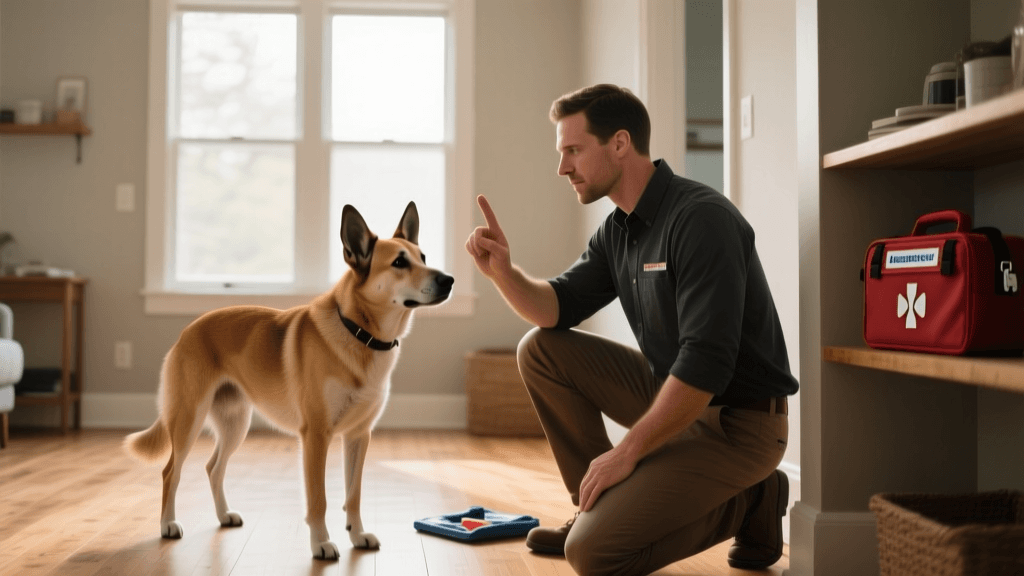
Bonding is not merely about physical proximity; it is about shared communication and mutual understanding. Scent work requires a unique feedback loop between you and your dog. Unlike obedience training, which often involves the dog complying with your commands, scent work flips the dynamic. In a nose game, the dog is the expert, and you are the supportive facilitator. You must learn to read their subtle body language—the flick of an ear, the change in breathing, the sudden freeze—while they learn to trust that you will reward their discoveries.
This role reversal is particularly transformative for reactive, anxious, or shy dogs. According to the Best Friends Animal Society's guide on canine enrichment, allowing dogs to make choices and use their natural instincts in a controlled environment drastically reduces stress and builds confidence. As your dog realizes that you are setting them up to succeed in the "hunt," their reliance on you shifts from mere dependency to a willing, enthusiastic partnership.
Top Canine Scent Work and Nose Game Kits for 2026
The market for canine enrichment has evolved significantly, offering highly specialized tools designed to maximize the bonding experience. Below is a comparison of the most effective scent work tools and kits available in 2026, categorized by their specific bonding benefits.
| Product / Kit | Type | 2026 Est. Price | Best For | Bonding Focus |
|---|---|---|---|---|
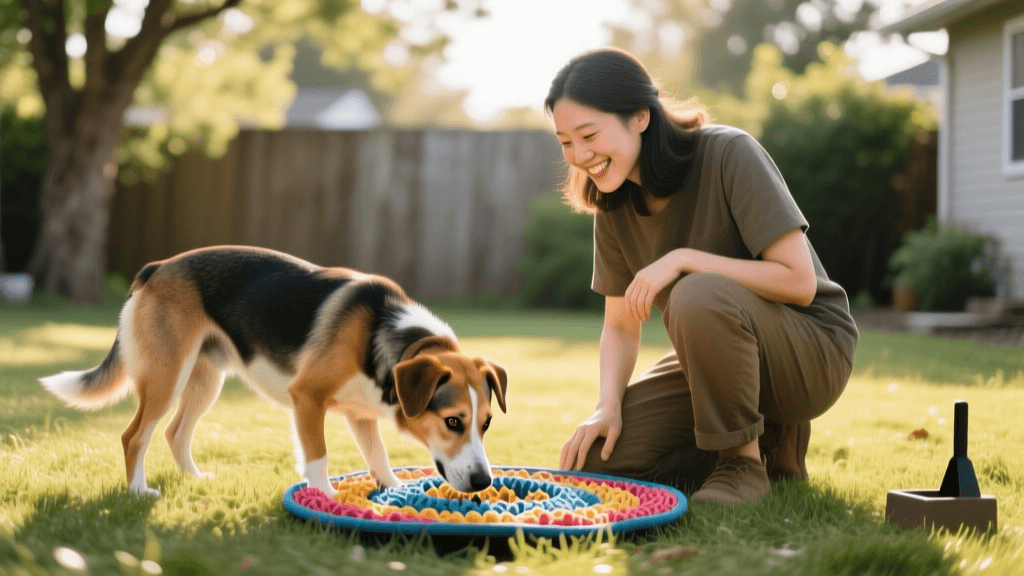
| Paw5 Wooly Snuffle Mat (Eco-Edition) | Foraging Mat | $45.00 | Beginners & High-Energy Dogs | Cooperative feeding and calming rituals |
| K9 Nose Work Official Starter Kit | Essential Oil Scent Kit | $68.00 | Intermediate to Advanced | Targeted alert training and deep focus |
| Nina Ottosson Dog Brick 2026 Advanced | Interactive Puzzle | $39.99 | Food-Motivated Problem Solvers | Shared problem solving and patience |
| Sniffiz GoDoggy Hide-a-Scent Plush | Soft Toy Foraging | $28.50 | Small Breeds & Gentle Chewers | Interactive play and gentle engagement |
The American Kennel Club's Scent Work program heavily endorses the use of specific essential oils like Birch, Anise, and Clove for formal training. If your goal is to transition from casual living room games to a structured hobby that you and your dog can pursue together for years, investing in a formal essential oil kit is the best pathway to deep, focused bonding.
Step-by-Step Guide: The "Box Game" for Beginners
You do not need to spend money to start building your bond through scent work today. The "Box Game" is the foundational exercise used by professional trainers to build a dog's "hunt drive" and confidence. It requires zero special equipment, just a handful of cardboard boxes and your dog's favorite high-value treats.
- Setup: Gather 5 to 10 cardboard boxes of varying sizes and place them randomly in a quiet room. Ensure the environment is free from heavy distractions.
- The Lure: With your dog watching, place a high-value treat (like freeze-dried liver or boiled chicken) inside one of the boxes. Leave the other boxes empty.
- The Release: Give a cheerful release cue like "Find it!" and encourage your dog to investigate. Do not point or guide them; let their nose do the work.
- The Reward: The moment your dog's nose touches the box with the treat, offer enthusiastic verbal praise. Let them eat the treat from the box.
- Progression: As your dog understands the game, start hiding the treat while they are in a "sit-stay" in another room. This builds anticipation and reinforces the trust that you will always provide a fair and solvable puzzle.
Reading Your Dog’s Body Language During Scent Work
To truly bond through this activity, you must become a student of your dog's micro-expressions. Understanding your dog's body language during the hunt allows you to support them without causing frustration.
Signs of Engagement and Discovery
- The "Scent Cone" Inhale: When a dog catches the odor molecules carried on the air, their breathing pattern changes. You will notice rapid, shallow sniffs as they track the "scent cone" to its source.
- Ear Pivoting: A dog's ears will often swivel forward and lock onto the direction of the odor source.
- The Freeze: Upon finding the target, many dogs will exhibit a momentary freeze, with their tail held stiff and their nose buried in the source. This is your cue to immediately praise and reward.
Signs of Frustration (When to Intervene)
- Frantic Scratching: If your dog begins aggressively pawing at boxes or mats without using their nose, they have lost the scent trail and are resorting to physical brute force.
- Lip Licking and Yawning: These are classic canine calming signals indicating stress or confusion.
- Disengagement: If your dog walks away and starts sniffing the baseboards or grooming themselves, the puzzle was too difficult. Step in, make the hide easier, and end on a successful note.
"True bonding occurs when we step back and allow our dogs to use their natural genius. In scent work, we aren't teaching the dog how to sniff; we are teaching them that we are a reliable partner in their pursuit of joy."
Expert Tips for Maximizing the Bonding Experience in 2026
As you integrate scent work into your weekly routine, keep these relationship-building principles in mind:
Keep Sessions Short and Sweet: Mental fatigue sets in much faster than physical fatigue. A 10 to 15-minute intense sniffing session is equivalent to an hour-long walk in terms of energy expenditure. Ending the game while your dog is still eager for more keeps the association highly positive.
Use a Dedicated Harness: Many handlers in 2026 use a specific, comfortable harness that is only worn during scent work. This creates a clear psychological boundary for the dog: when the harness goes on, it is time to hunt, and it is time to connect with you.
Celebrate the Effort, Not Just the Find: If your dog works hard but misses the hide, reward the effort. The bond is built in the shared journey of the search, not just the final discovery. By validating their hard work, you communicate that you value their instincts and their dedication to the game you share.
anouk-beaumont
All our authors care for dogs every day — read more of their work on the authors page.