Fueling Focus: How Canine Nutrition Impacts Obedience Training
Discover how targeted canine nutrition and high-value treat timing can dramatically improve your dog's focus, stamina, and success during obedience training.
The Neurochemistry of Learning and Nutrition
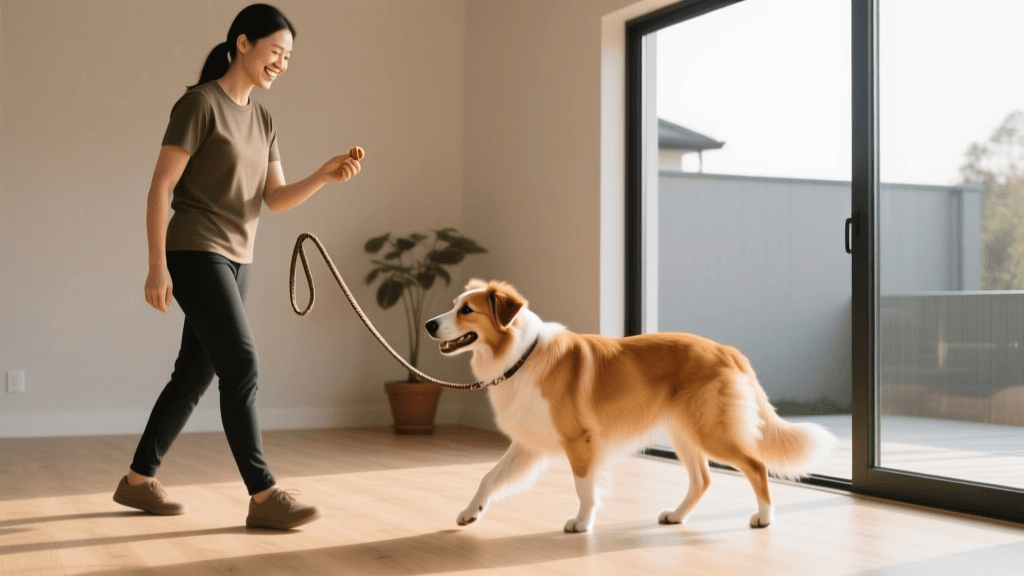
When we think of obedience training, we often picture leashes, clickers, and repetitive commands. However, a deep dive into canine health and nutrition reveals that the foundation of a successful training session actually begins in the digestive tract and the brain's neurochemical environment. Learning is a metabolically expensive process. A dog's brain requires a steady supply of glucose to maintain focus, process new commands, and retain behavioral conditioning. When blood sugar levels fluctuate, a dog's ability to concentrate plummets, leading to frustration for both the handler and the pet.
Furthermore, the anticipation of a nutritional reward triggers the release of dopamine, the neurotransmitter responsible for motivation and reward-based learning. If the nutritional reward is not sufficiently enticing, or if the dog is overly satiated from a heavy meal, the dopamine response is blunted. Understanding the intersection of macronutrients, caloric timing, and cognitive function is essential for any owner looking to elevate their dog's obedience and trick training.
Selecting High-Value Nutritional Rewards
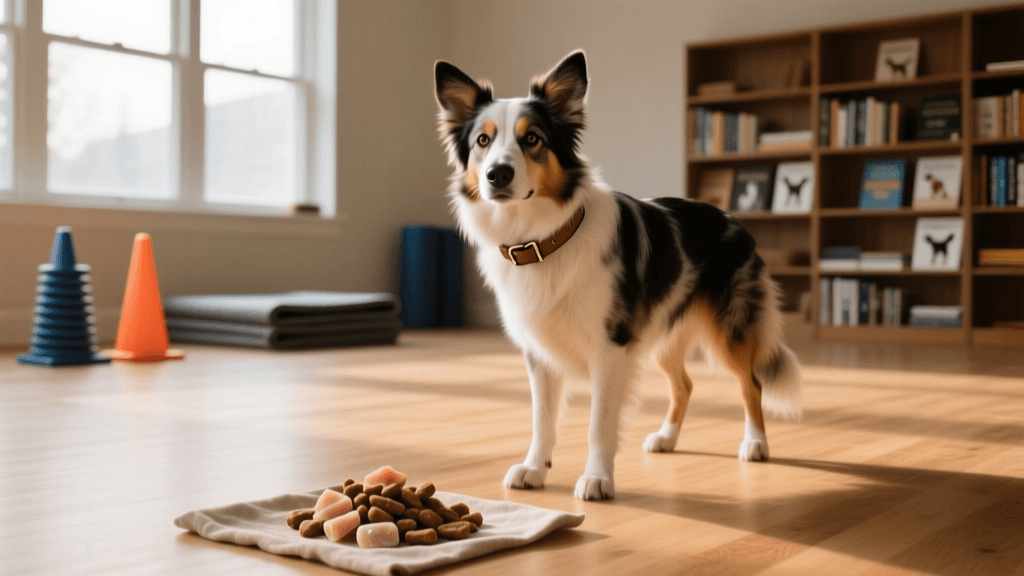
Not all calories are created equal when it comes to behavioral conditioning. In the training community, treats are generally categorized into low, medium, and high-value rewards. High-value treats are typically characterized by a strong aroma, high protein content, and a moist or chewy texture that dogs find irresistible. These are essential for high-distraction environments, recall training, and introducing complex new tricks.
- Zuke's Mini Naturals: At approximately 2 calories per treat, these are ideal for repetitive shaping and luring. They are soft, easy to swallow quickly, and cost around $0.75 per ounce. The chicken and rice formula provides a quick hit of simple carbohydrates for immediate brain fuel.
- Northwest Naturals Freeze-Dried Beef Liver: A single-ingredient, high-protein reward. Because it is freeze-dried, the aroma is highly concentrated, making it a premier 'high-value' reward for recall in off-leash environments. Costing roughly $2.50 per ounce, it should be broken into pea-sized pieces to manage caloric intake.
- Stella & Chewy's Meal Mixers: These can be used as a mid-value reward for sustained obedience work, such as holding a 'stay' or 'place' command. They offer a balanced macronutrient profile that prevents the sugar crashes associated with purely carbohydrate-based biscuits.
The 10% Rule and Caloric Management
One of the most common pitfalls in reward-based training is accidental overfeeding, which leads to obesity and joint stress. According to the Tufts Cummings School of Veterinary Medicine, treats and training rewards should never exceed 10% of your dog's total daily caloric intake. For an active 40-pound Border Collie requiring roughly 900 calories a day, your training treat budget is strictly capped at 90 calories. If you are using 3-calorie training treats, that gives you exactly 30 repetitions per day. To maximize training volume without exceeding this limit, many professional handlers deduct the caloric equivalent of training treats from the dog's daily kibble allotment, effectively using their regular, balanced diet as the primary training currency.
Nutritional Timing for Peak Performance
Timing your dog's meals around training sessions is critical for both safety and cognitive performance. Training a dog on a completely full stomach can lead to lethargy, poor food drive, and in deep-chested breeds, a life-threatening condition known as Gastric Dilatation-Volvulus (GDV) or bloat. Conversely, training on an entirely empty stomach can result in distraction, scavenging behavior, and hypoglycemia.
The Golden Window: Feed your dog a light meal 1.5 to 2 hours before an intensive obedience or agility session. This allows for initial digestion and the stabilization of blood glucose levels, ensuring the dog has accessible energy without the physical discomfort of a full digestive tract. For evening training sessions, a small handful of complex carbohydrates (like plain, cooked sweet potato) 45 minutes prior can provide a sustained energy release that keeps focus sharp throughout the session.
Cognitive Supplements: Omega-3s and Joint Health
For dogs engaged in rigorous agility, advanced obedience, or working roles, joint health and cognitive stamina are paramount. Omega-3 fatty acids, specifically EPA and DHA found in marine sources, have been shown to support cognitive function and reduce systemic inflammation. As noted by the American Kennel Club, incorporating high-quality fish oil into a working dog's diet can improve memory retention and slow cognitive decline in senior dogs learning new tricks.
Additionally, repetitive obedience commands like 'sit,' 'down,' and 'crawl' place mechanical stress on the hips and knees. Supplementing with Glucosamine Hydrochloride and Chondroitin Sulfate (typically 500mg to 1000mg daily for medium-to-large breeds, pending veterinary approval) ensures that physical discomfort does not manifest as behavioral resistance during training.
Preventing Hypoglycemia in Small and Working Breeds
Toy breeds (such as Chihuahuas and Yorkshire Terriers) and high-drive working breeds have exceptionally fast metabolisms. During intensive trick-teaching sessions, they can rapidly deplete their glycogen stores, leading to canine hypoglycemia. Symptoms include sudden lethargy, confusion, shivering, and an apparent 'stubborn' refusal to obey commands. To combat this, handlers should keep a tube of Nutri-Cal or a small syringe of honey on hand. A quick dab on the gums can restore blood sugar levels within minutes, instantly bringing the dog's focus back online. Always consult your veterinarian before introducing concentrated sugar supplements to your dog's regimen.
Comparison Chart: Top Training Treats by Nutritional Profile
| Treat Brand | Calories (per treat) | Primary Protein | Cost per oz (Approx) | Best Training Phase |
|---|---|---|---|---|
| Zuke's Mini Naturals | 2 kcal | Chicken / Pork | $0.75 | Shaping, Luring, High-Repetition |
| Northwest Naturals Liver | 4 kcal (broken) | Beef Liver | $2.50 | Recall, High-Distraction Environments |
| Charlie Bear Crunchies | 3 kcal | Wheat / Cheddar | $0.45 | Maintenance, 'Stay' Duration Rewards |
| Real Meat Company Air-Dried | 5 kcal | New Zealand Lamb | $3.10 | Advanced Trick Proofing, Competitions |
Note: Costs are approximate and subject to market variations. Always break larger treats into pea-sized portions to maximize training repetitions while adhering to the 10% caloric rule.
Actionable Daily Schedule for the Training Dog
To optimize your dog's nutritional intake for learning, structure your day to align with their circadian rhythm and metabolic peaks. Below is a sample schedule for a 35-pound active dog undergoing daily obedience conditioning:
- 7:00 AM - Morning Meal: Feed 50% of the daily kibble allotment mixed with a pump of wild Alaskan salmon oil (for Omega-3s). Allow the dog to digest and rest.
- 9:00 AM - Morning Training (20 mins): Focus on high-cognitive tasks like scent work or complex trick shaping. Use the remaining kibble from the morning meal as the primary reward to avoid overfeeding.
- 12:30 PM - Mid-Day Enrichment: Provide a frozen Kong stuffed with plain, non-fat Greek yogurt and blueberries. This provides probiotics for gut health (the brain-gut axis) and mental stimulation without heavy caloric load.
- 4:30 PM - Pre-Session Snack: A small spoonful of plain, cooked sweet potato to stabilize blood glucose ahead of the evening session.
- 5:30 PM - Evening Training (30 mins): Focus on impulse control, leash manners, and recall in high-distraction outdoor environments. Utilize high-value freeze-dried liver treats (capped at 30 kcal total).
- 7:00 PM - Evening Meal: Feed the remaining 50% of the daily kibble allotment to promote satiety and restful sleep, which is crucial for memory consolidation.
'A dog's willingness to work is intrinsically tied to their physiological state. You cannot demand elite cognitive performance from a dog that is either under-fueled or burdened by a heavy, poorly timed meal. Nutrition is the invisible leash that guides their focus.'
— Canine Sports Nutrition & Behavioral Conditioning Guidelines
Conclusion
Mastering obedience training and behavioral conditioning requires more than just patience and repetition; it demands a holistic approach to your dog's health. By carefully selecting high-value nutritional rewards, strictly managing caloric intake, timing meals to optimize blood glucose, and supplementing for cognitive and joint health, you transform your dog's diet into a powerful training tool. Remember that every treat is a piece of data your dog's brain uses to map the world. Make those calories count, and you will unlock a new tier of focus, stamina, and joy in your training journey. For more guidance on safe treat limits and dietary planning, always refer to the U.S. Food and Drug Administration's pet nutrition resources and consult with your primary veterinarian.
anouk-beaumont
All our authors care for dogs every day — read more of their work on the authors page.