Dog Dementia: Behavioral Signs and Expert Management Tips
Expert behavioral analysis of canine cognitive dysfunction: identify early signs of dog dementia and apply actionable management strategies for aging pets.
The Neurobehavioral Reality of Canine Cognitive Dysfunction
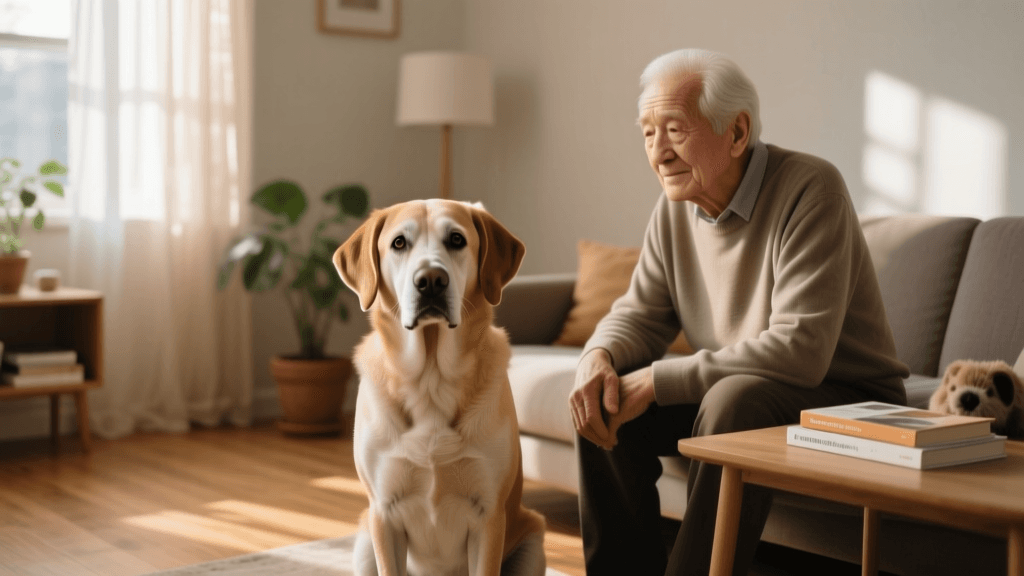
As a canine behavior analyst, one of the most profound and heartbreaking shifts I observe in senior dogs is the onset of Canine Cognitive Dysfunction (CCD). Often colloquially referred to as "dog dementia," CCD is a progressive neurodegenerative disorder that fundamentally alters a dog's behavior, learning, memory, and sensory processing. According to data from VCA Animal Hospitals, while only about 28% of dogs aged 11 to 12 show clinical signs of CCD, that number skyrockets to 68% in dogs aged 15 to 16. Understanding the behavioral markers of this disease is crucial for early intervention, environmental management, and maintaining your dog's quality of life.
From a behavioral perspective, CCD is not merely a dog "slowing down." It is a measurable breakdown of neural pathways, characterized by the accumulation of beta-amyloid plaques and a decrease in dopamine production. This neurological decay manifests in highly specific, observable behavioral shifts that trained analysts use to differentiate CCD from normal aging or other systemic illnesses.
The DISHA-A Framework: Behavioral Signs of Dog Dementia
Veterinary behaviorists utilize the DISHA-A framework to categorize and diagnose the clinical signs of cognitive decline. The American Kennel Club (AKC) and leading veterinary neurologists recognize these pillars as the gold standard for identifying CCD.
1. Disorientation and Spatial Memory Loss
Dogs with CCD frequently lose their spatial mapping abilities. You may observe your dog walking behind a piece of furniture and becoming "stuck," unable to figure out how to back up or navigate around it. They may stare blankly at walls, fail to recognize familiar rooms, or wait at the hinge side of a door rather than the side that opens. This is a failure of working memory and spatial reasoning, not a vision problem.
2. Alterations in Social Interactions
A previously affectionate dog may become irritable, withdrawn, or clingy. They might fail to greet you at the door, seem to forget who you are, or exhibit uncharacteristic aggression when startled. This occurs because the dog's ability to process social cues and contextual memories is deteriorating, leading to chronic low-grade stress and defensive behaviors.
3. Sleep-Wake Cycle Inversions
Circadian rhythm disruption is a hallmark of CCD. Dogs may sleep deeply all day but pace, pant, whine, or vocalize relentlessly at night—a phenomenon known as "sundowning." This sleep-wake inversion is exhausting for both the dog and the owner and is directly linked to the degradation of the brain's pineal gland function and melatonin regulation.
4. House Soiling vs. Incontinence
Behavioral house soiling in CCD is distinct from medical incontinence. A dog with CCD may forget the learned behavior of signaling to go outside, or they may lose the innate "den instinct" that prevents them from soiling their sleeping area. They might urinate in their bed or immediately after coming back inside, seemingly unaware that a breach of house training has occurred.
5. Activity Levels and Anxiety
Activity changes manifest in two extremes: profound apathy or repetitive, purposeless behaviors (such as pacing in tight circles or licking the floor). Furthermore, dogs with CCD often develop new, intense phobias (like fear of the dark or loud noises) and severe separation anxiety, as their declining cognitive function makes them feel perpetually unsafe in their environment.
Differential Diagnostics: Normal Aging vs. CCD
It is vital to distinguish between normal senior aging and pathological cognitive decline. The table below outlines the key behavioral differences.
| Behavioral Domain | Normal Senior Aging | Canine Cognitive Dysfunction (CCD) |
|---|---|---|
| Sleep Patterns | Sleeps more deeply and for longer durations, but maintains a normal day/night cycle. | Paces, pants, or vocalizes at night; sleeps excessively and restlessly during the day. |
| House Training | May have occasional accidents due to mobility issues (arthritis) or kidney disease. | Forgets how to signal to go out; soils the bed or living space without apparent awareness. |
| Social Greeting | Less physically exuberant, but still acknowledges and seeks out family members. | Stares blankly, fails to recognize owners, or wanders away during social interactions. |
| Navigation | Moves slower, may hesitate at stairs due to joint pain or declining vision. | Gets trapped behind furniture; paces continuously without a clear destination. |
Expert Behavioral Interventions and Environmental Management
While there is no cure for CCD, targeted behavioral and environmental interventions can significantly slow the progression of symptoms and reduce canine anxiety.
Environmental Modification and Safety
Dogs with CCD rely heavily on environmental predictability. When their internal map fails, the external environment must remain static.
- Furniture Placement: Do not rearrange furniture. Keep pathways wide and clear.
- Non-Slip Surfaces: Invest in interlocking foam floor tiles or non-slip yoga mats (Cost: ~$40-$60 for a 12x12 room setup). This prevents falls and reduces the anxiety of slipping, which can exacerbate confusion.
- Light Therapy: To combat sundowning, use timed smart-bulbs to keep the house brightly lit until 9:00 PM, then dim to warm, low-level amber nightlights. This helps artificially reset the dog's circadian rhythm.
- Baby Gates: Use pressure-mounted baby gates (Cost: ~$35) to block access to areas where the dog historically gets "stuck," such as behind recliners or in narrow hallways.
Cognitive Enrichment Protocols
Neuroplasticity can be stimulated through targeted, low-stress enrichment. The goal is to engage the dog's olfactory and problem-solving senses without causing frustration.
- Scent Work: Hide high-value treats (like freeze-dried liver) in a snuffle mat. Start with the treats easily visible on top, gradually working them deeper into the mat as the dog remembers the game. Limit sessions to 10 minutes to prevent fatigue.
- Puzzle Toys: Use the Outward Hound Dog Brick (Cost: ~$15) or the Kong Senior (Cost: ~$12). For a dog with CCD, use soft, easily extractable fillers like plain pumpkin puree or low-sodium chicken broth frozen for only 30 minutes. If the dog cannot solve the puzzle within 3 minutes, step in and help them to avoid an "extinction burst" (a spike in frustration and anxiety).
- Novelty Walks: Instead of walking for distance, walk for sensory input. A 15-minute "sniffari" in a novel, quiet environment provides more cognitive stimulation than a 45-minute march around the same block.
Nutritional and Pharmacological Support
Behavioral management must be paired with neurological support. Consult your veterinarian regarding the following evidence-based interventions:
Targeted Nutrition and Supplements
Diets rich in antioxidants, omega-3 fatty acids, and medium-chain triglycerides (MCTs) provide alternative energy sources for aging brain cells. Purina Pro Plan Bright Mind (Cost: ~$60 for a 30lb bag) utilizes MCTs to improve cognitive function. Alternatively, you can add pure, unrefined coconut oil (MCT source) to their meals. Start with a conservative dose of 1/4 teaspoon per 10 lbs of body weight daily, monitoring for gastrointestinal upset.
Supplements containing phosphatidylserine and S-adenosylmethionine (SAMe), such as Senilife or Novifit (Cost: ~$30-$45 per month), have been clinically shown to improve cellular membrane health and neurotransmitter production.
Prescription Medications
If behavioral interventions are insufficient, a veterinary behaviorist (Consultation Cost: $200-$400) may prescribe Selegiline (Anipryl). This monoamine oxidase inhibitor (MAOI) increases dopamine levels in the brain, effectively improving sleep-wake cycles and reducing repetitive pacing in many CCD patients. Melatonin (1-3mg depending on weight) administered 30 minutes before bedtime is also frequently recommended to aid in circadian regulation.
Tracking Behavioral Data
As an owner, you are your dog's primary data collector. Keep a daily behavioral journal tracking three metrics:
- Nighttime Vocalizations: Note the time and duration of whining or pacing.
- Accident Locations: Track where house soiling occurs to identify spatial confusion zones.
- Enrichment Engagement: Record how long it takes your dog to solve a puzzle toy to monitor cognitive stamina.
According to the ASPCA's guidelines on senior dog care, bringing this objective data to your veterinarian allows for precise medication titration and environmental adjustments. Canine Cognitive Dysfunction is a profound challenge, but through expert behavioral analysis, proactive environmental design, and deep empathy, you can provide your aging companion with a secure, enriching, and comfortable twilight life.
hannah-wickes
All our authors care for dogs every day — read more of their work on the authors page.