2026 Canine Gut-Brain Axis: How Fresh Diets Ease Anxiety
Discover how the 2026 canine gut-brain axis impacts behavior. Learn how raw and fresh diets reduce anxiety, reactivity, and stress in dogs naturally.
The Hidden Link Between Your Dog's Gut and Their Behavior
Understanding your dog's behavior goes far beyond basic obedience training and socialization. In recent years, the paradigm of canine psychology has shifted dramatically, moving away from purely behavioral interventions toward a holistic view that encompasses neurogastroenterology. As we navigate 2026, veterinary behaviorists and canine nutritionists are increasingly focused on the gut-brain axis—a complex, bidirectional communication network that links the enteric nervous system of the gastrointestinal tract with the central nervous system. If your dog struggles with leash reactivity, noise phobias, separation anxiety, or obsessive-compulsive behaviors, the root cause might not just be in their head; it could very well be in their gut.
While traditional behavioral modification remains a cornerstone of canine psychology, the integration of raw, fresh, and alternative diets has emerged as a powerful tool for managing and mitigating anxiety. By understanding how species-appropriate nutrition influences neurotransmitter production and neuroinflammation, dog owners can unlock profound behavioral improvements that training alone cannot achieve.
The Science of the Canine Gut-Brain Axis in 2026
The gut-brain axis is primarily mediated by the vagus nerve, the longest cranial nerve in the body, which acts as an information superhighway between the digestive tract and the brain. In dogs, the gut microbiome—a vast ecosystem of trillions of bacteria, fungi, and viruses—plays a critical role in synthesizing essential neurotransmitters. Remarkably, approximately 90% of the body's serotonin, the primary hormone responsible for stabilizing mood and promoting feelings of well-being, is produced in the gastrointestinal tract, not the brain.
When a dog consumes a diet that disrupts this delicate microbial balance, the production of these vital neurochemicals plummets. Dysbiosis, or an imbalance of gut bacteria, triggers systemic inflammation. This inflammation can cross the blood-brain barrier, leading to neuroinflammation, which manifests behaviorally as heightened reactivity, an inability to settle, and exaggerated fear responses. In 2026, advanced microbiome sequencing has allowed veterinary nutritionists to pinpoint exactly which bacterial strains are depleted in anxious dogs, paving the way for targeted fresh-food interventions.
Why Ultra-Processed Kibble May Be Fueling Reactivity
To understand why fresh and raw diets are so effective for behavioral modification, we must first examine the standard canine diet. Ultra-processed kibble, while convenient, is subjected to extreme heat and pressure during extrusion. This process not only destroys naturally occurring enzymes and heat-sensitive vitamins but also generates Advanced Glycation End-products (AGEs). AGEs are known to provoke chronic, low-grade systemic inflammation.
Furthermore, kibble is inherently devoid of the natural moisture and prebiotic fibers found in whole, fresh foods. A chronically dehydrated gut lining becomes permeable—a condition often referred to as 'leaky gut.' When the intestinal barrier is compromised, undigested food particles and bacterial toxins enter the bloodstream, triggering an immune response that directly impacts the brain. Dogs suffering from gut-induced neuroinflammation often display a lowered threshold for stress, meaning they react more intensely and recover more slowly from everyday triggers like passing bicycles or distant thunder.
The Psychological Enrichment of Raw and Fresh Feeding
Understanding your dog also requires acknowledging their evolutionary breed instincts. The psychological benefits of a raw or fresh diet extend far beyond cellular nutrition; they encompass the very act of eating. In the wild, canids spend a significant portion of their day foraging, tearing, and chewing. Modern kibble is consumed in seconds, depriving dogs of these innate, stress-relieving behaviors.
Mastication and Endorphin Release
Chewing is a self-soothing behavior for dogs. When a dog gnaws on a raw meaty bone or a tough piece of fresh cartilage, the mechanical action of the jaw stimulates the release of endorphins and dopamine in the brain. This natural chemical reward system lowers cortisol levels and induces a state of calm. For high-drive working breeds or anxious terriers, incorporating safe, raw recreational bones or dehydrated fresh chews into their daily routine can significantly reduce destructive chewing and pacing behaviors.
Foraging and Licking Behaviors
Licking is another deeply ingrained calming mechanism. Serving fresh, moisture-rich raw meals or gently cooked alternative diets on textured enrichment mats encourages prolonged licking. This rhythmic action activates the parasympathetic nervous system, shifting the dog from a state of 'fight or flight' into 'rest and digest.' By mimicking natural foraging behaviors, fresh diets provide crucial mental stimulation that exhausts the brain in a healthy, productive way, leading to a more relaxed and settled dog at home.
2026 Behavioral Nutrition Matrix: Matching Diet to Symptoms
Not all behavioral issues stem from the same nutritional deficiencies. The following table outlines how specific fresh diet interventions can target distinct behavioral symptoms based on current 2026 veterinary behavioral nutrition protocols.
| Behavioral Symptom | Potential Gut Trigger | Fresh Diet Intervention | Expected Timeline for Improvement |
|---|---|---|---|
| Leash Reactivity & Hyper-Vigilance | Neuroinflammation via AGEs; Low Omega-3 Index | Transition to high-DHA/EPA fresh raw diets (e.g., sardine, mackerel, or phytoplankton additions) | 6 to 8 weeks |
| Noise Phobia (Thunder/Fireworks) | Depleted GABA production; Magnesium deficiency | Incorporate fresh dark leafy greens, pumpkin seeds, and raw goat milk for natural GABA support | 4 to 6 weeks |
| Separation Anxiety & Pacing | Low Serotonin; Tryptophan malabsorption | Feed fresh turkey, raw eggs, and fermented vegetables to boost natural tryptophan and gut flora | 8 to 12 weeks |
| Obsessive Licking / Flank Sucking | Gut dysbiosis; Yeast overgrowth (Candida) | Eliminate dietary sugars/starches; introduce raw kefir and bone broth to heal the mucosal lining | 10 to 14 weeks |
Actionable Steps for a Behavioral Diet Transition
If you are considering transitioning your anxious or reactive dog to a fresh or raw diet to support their mental well-being, a strategic approach is vital. Sudden dietary shifts can cause gastrointestinal upset, which will only exacerbate stress and behavioral issues. Follow these 2026 best practices for a seamless transition:
1. Prioritize Gut Healing Before the Full Switch
Before introducing raw meats or rich fresh foods, spend two weeks repairing the gut lining. Add high-quality, unflavored bone broth and a canine-specific multi-strain probiotic to their current meals. This prepares the digestive tract to handle the diverse microbial load of a fresh diet.
2. Leverage HPP Commercial Raw for Safety and Convenience
For owners concerned about pathogens, modern High-Pressure Processing (HPP) raw diets available in 2026 offer a safe middle ground. HPP uses extreme water pressure to neutralize harmful bacteria like Salmonella and Listeria without applying heat, thereby preserving the vital enzymes, amino acids, and structural integrity of the raw ingredients. According to guidelines monitored by the FDA's Center for Veterinary Medicine, understanding how pet food is processed and regulated is essential for making safe alternative diet choices for your household.
3. Implement Enrichment Feeding Daily
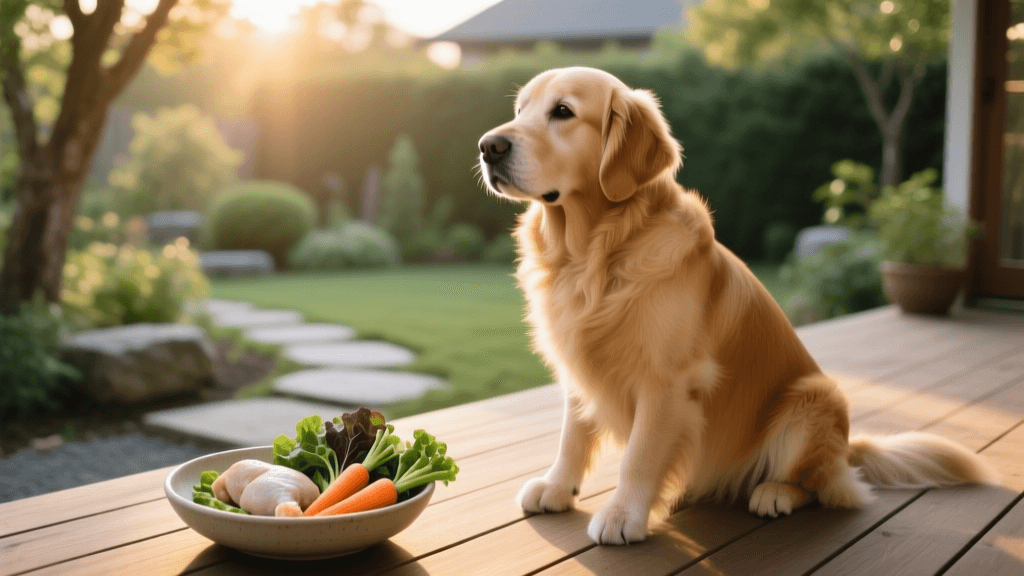
Do not simply place fresh food in a bowl. To maximize the psychological benefits, use snuffle mats, lick mats, and puzzle feeders. For scent hounds, hide small portions of fresh food around the yard or house to engage their natural tracking instincts. For terriers, use frozen raw meals inside durable rubber chew toys to satisfy their urge to destroy and dissect.
4. Monitor and Adjust Based on Behavioral Feedback
Keep a daily journal tracking both your dog's stool quality and their behavioral triggers. Note their recovery time after a stressful event. While veterinary nutritionists at institutions like the Tufts Cummings School of Veterinary Medicine emphasize the importance of balanced, evidence-based nutrition to prevent long-term health issues, they also acknowledge that individual dogs respond uniquely to dietary variables. If your dog's reactivity spikes during the transition, slow the process down and consult a board-certified veterinary nutritionist to ensure the diet is complete and balanced for their specific life stage.
Conclusion: Nourishing the Mind Through the Gut
As our understanding of canine psychology deepens in 2026, it is clear that behavior cannot be divorced from biology. The food you place in your dog's bowl is the foundational building block of their brain chemistry. By moving away from ultra-processed, inflammatory diets and embracing the biological appropriateness of raw, fresh, and alternative foods, you are doing more than just improving their physical health. You are actively rewiring their nervous system, lowering their anxiety, and helping them navigate the world with a calmer, more resilient mind. True understanding of your dog begins with recognizing that a peaceful gut is the first step toward a peaceful pup.
aaron-whyte
All our authors care for dogs every day — read more of their work on the authors page.