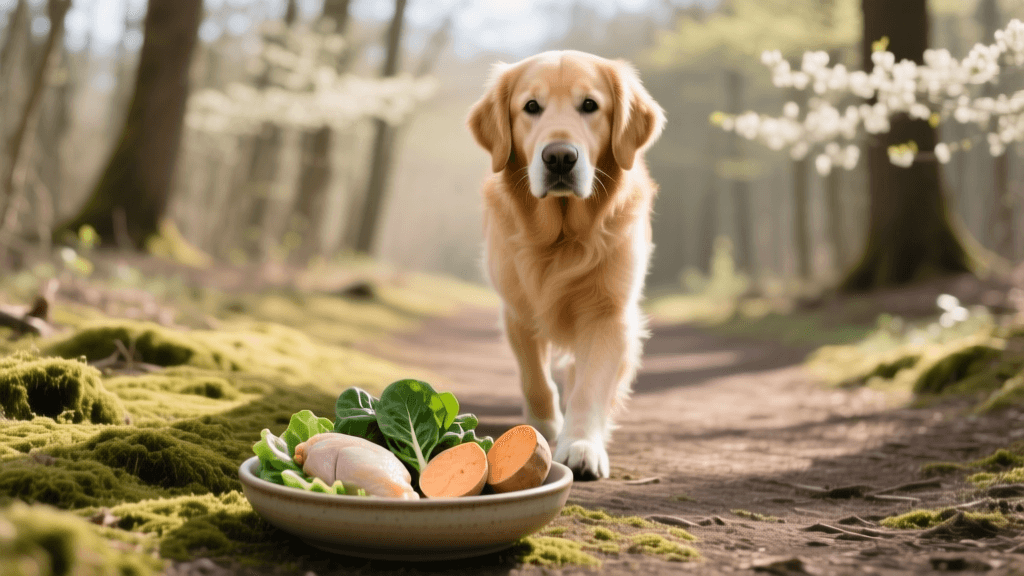
Dog Gut-Brain Axis: How Fresh Diets Change Behavior in 2026
Discover how the canine gut-brain axis works in 2026. Learn how fresh and raw diets reduce anxiety, improve focus, and positively alter your dog's behavior.
As we navigate the evolving landscape of canine behavioral science in 2026, one of the most profound discoveries for dog owners and veterinary behaviorists alike is the undeniable link between nutrition and psychology. The days of viewing food merely as physical fuel are over. Today, we understand that the canine gut-brain axis plays a pivotal role in dictating how your dog perceives the world, reacts to stressors, and communicates through body language. For dogs struggling with anxiety, hyperactivity, leash reactivity, or poor focus, transitioning to a raw, fresh, or alternative diet is no longer just a fringe health trend—it is a targeted behavioral intervention.
If you have ever wondered why your dog seems perpetually on edge, unable to settle after a walk, or overly reactive to the doorbell, the answer might not just lie in their training history. It may very well reside in their microbiome. In this comprehensive guide, we will explore the fascinating intersection of canine psychology and fresh nutrition, providing you with actionable steps to support your dog's mental well-being through their bowl.
The Science of the Canine Gut-Brain Axis
The gut-brain axis is a bidirectional communication network that links the enteric nervous system (the gut) with the central nervous system (the brain). In dogs, this communication happens primarily via the vagus nerve, the immune system, and microbial metabolites. Remarkably, up to 90% of a dog's serotonin—the neurotransmitter responsible for feelings of well-being and happiness—is produced in the gastrointestinal tract, not the brain.
When a dog consumes a highly processed diet lacking in bioavailable nutrients, or one that triggers low-grade systemic inflammation, the gut microbiome becomes dysbiotic. This imbalance sends distress signals via the vagus nerve directly to the brain, manifesting as behavioral issues. In 2026, veterinary neurologists and behaviorists routinely screen for gastrointestinal inflammation when treating dogs for generalized anxiety disorder (GAD) and noise phobias, recognizing that a calm gut is a prerequisite for a calm mind.
Observable Behavioral Shifts on a Fresh Diet
Transitioning to a biologically appropriate, fresh, or raw diet often yields noticeable changes in a dog's demeanor. While individual results vary based on breed genetics and environmental factors, owners frequently report the following psychological and behavioral shifts within the first 60 to 90 days of dietary intervention.
1. Reduced Anxiety and Reactivity
Dogs suffering from gut inflammation are often in a state of chronic physiological stress, which lowers their threshold for environmental triggers. A dog that previously lunged at passing bicycles or barked frantically at the mail carrier may exhibit a longer 'fuse' and a faster recovery time after a startling event. By eliminating inflammatory fillers and introducing anti-inflammatory fresh foods, the dog's baseline cortisol levels drop, allowing them to process stimuli with a calmer, more rational mindset.
2. Improved Focus and Trainability
Brain fog is not exclusive to humans. Dogs with poor gut health often struggle with impulse control and maintaining focus during training sessions. Fresh diets rich in bioavailable B-vitamins, amino acids, and Omega-3 fatty acids provide the precise building blocks required for neurotransmitter synthesis. Owners frequently note that their dogs are more 'present' and capable of sustained eye contact, making complex obedience and scent-work training significantly more effective.
3. Energy Regulation: Calm vs. Hyperactive
A common misconception is that raw or fresh diets make dogs hyperactive due to high protein content. In reality, high-quality, bioavailable proteins provide sustained energy rather than the sharp spikes and crashes associated with high-glycemic carbohydrates found in many ultra-processed kibbles. A dog on a balanced fresh diet typically displays 'functional energy'—the ability to perform explosively when needed, followed by an immediate and deep state of physical and mental relaxation.
Targeted Nutrients for Behavioral Support
If you are formulating a fresh diet or using whole-food toppers to support your dog's psychological health in 2026, specific nutrients should be prioritized. Always consult with a board-certified veterinary nutritionist to ensure complete and balanced meals, but consider these behavioral superfoods:
- L-Tryptophan (Raw Turkey & Pumpkin Seeds): Tryptophan is the direct precursor to serotonin. Incorporating lightly cooked or safely sourced raw turkey, or sprinkling organic pumpkin seeds over meals, can naturally boost serotonin production, aiding dogs with separation anxiety.
- EPA and DHA (Fresh Sardines & Mackerel): Omega-3 fatty acids are critical for reducing neuro-inflammation. Aim for approximately 100mg of combined EPA/DHA per 10 pounds of body weight. Fresh, frozen sardines (packed in water, no salt added) are an excellent, low-mercury whole food source.
- L-Theanine (Green Tea Extract & Bone Broth): Known for promoting alpha-brain waves associated with relaxed alertness, L-Theanine helps dogs remain calm without causing drowsiness. Many premium fresh food toppers in 2026 now include green tea extracts specifically for urban dogs dealing with noise pollution.
- Probiotics & Prebiotics (Fermented Veggies & Mushrooms): A diverse microbiome is a resilient microbiome. Small amounts of dog-safe fermented vegetables or functional mushrooms like Lion's Mane (known for nerve growth factor support) can profoundly impact cognitive function and stress resilience.
Dietary Impacts on Canine Behavior: A 2026 Comparison
| Behavioral Metric | Ultra-Processed Kibble Diet | Balanced Fresh / Raw Diet |
|---|---|---|
| Stress Recovery Time | Prolonged; elevated cortisol lingers due to systemic inflammation. | Rapid; anti-inflammatory nutrients support nervous system regulation. |
| Impulse Control | Erratic; blood sugar spikes and crashes lead to hyperactive outbursts. | Stable; sustained amino acid and fat metabolism supports steady focus. |
| Sleep Quality | Restless; frequent waking and difficulty entering deep REM sleep. | Restorative; natural melatonin precursors promote deep, healing sleep cycles. |
| Environmental Reactivity | High; lower threshold for triggers like doorbells or passing dogs. | Lowered; improved gut-brain signaling increases emotional resilience. |
Reading Body Language During the Dietary Transition
As you transition your dog to a fresh or alternative diet, it is crucial to monitor their body language to gauge how their nervous system is responding. The transition period (typically 14 to 21 days) can temporarily cause mild gastrointestinal upset, which may manifest as subtle stress signals.
According to guidelines reviewed by the World Small Animal Veterinary Association (WSAVA), ensuring nutritional adequacy and safe transition protocols is paramount when exploring alternative diets to prevent physiological stress that could mimic behavioral regression.
Signs of a Positive Psychological Shift
As the gut microbiome adapts and inflammation wanes, look for these calming signals and relaxed body postures:
- The 'Soft' Eye: The muscles around the eyes relax, and the dog blinks slowly, indicating a lack of perceived threat.
- Loose, Wiggly Body: Tension in the topline and shoulders dissipates. The dog's wag originates from the hips, not just a stiff tail base.
- Deep, Rhythmic Breathing: A closed-mouth, slow breathing pattern while resting indicates a dominant parasympathetic (rest and digest) nervous system state.
- Play Bows: An increase in spontaneous play bows, especially in previously anxious dogs, signals a growing sense of environmental safety and psychological bandwidth.
Signs of Transition Stress
If the diet change is too rapid, your dog may exhibit stress signals that require you to slow down the transition or adjust the recipe:
- Lip Licking and Yawning: When not related to food or tiredness, these are classic appeasement and stress signals indicating internal discomfort.
- Whale Eye: Showing the whites of the eyes while the head is turned away indicates anxiety or gastrointestinal cramping.
- Pinned Ears and Tight Mouth: A closed, tight commissure (lips) combined with pulled-back ears suggests the dog is feeling unwell or overwhelmed.
The Role of 2026 Microbiome Diagnostics
In 2026, guesswork is being replaced by precision medicine. Companies offering at-home canine microbiome sequencing now allow owners to map their dog's specific bacterial strains. Veterinary behaviorists use this data to identify missing keystone bacteria—such as Lactobacillus or Bifidobacterium—that are directly linked to the production of GABA, the brain's primary inhibitory neurotransmitter.
Experts at the Tufts University Clinical Nutrition Service emphasize that while fresh diets offer unique benefits and higher moisture content, they must be carefully balanced to avoid severe deficiencies that could exacerbate neurological and behavioral issues. By combining fresh, whole-food nutrition with targeted, DNA-guided probiotic therapy, owners can effectively 'hack' their dog's gut-brain axis to resolve stubborn behavioral challenges that traditional training alone could not fix.
Conclusion: Nourishing the Mind Through the Bowl
Understanding your dog requires looking beyond their outward behavior and examining the internal biological systems that drive their actions. The gut-brain axis is the bridge between what your dog eats and how they feel. By embracing fresh, raw, or carefully formulated alternative diets rich in whole-food nutrients, you are not just improving their physical longevity; you are actively shaping their psychological resilience. In 2026, the most effective behavioral modification plan begins not on the training field, but in the kitchen, proving that a calm gut truly equals a calm dog.
aaron-whyte
All our authors care for dogs every day — read more of their work on the authors page.