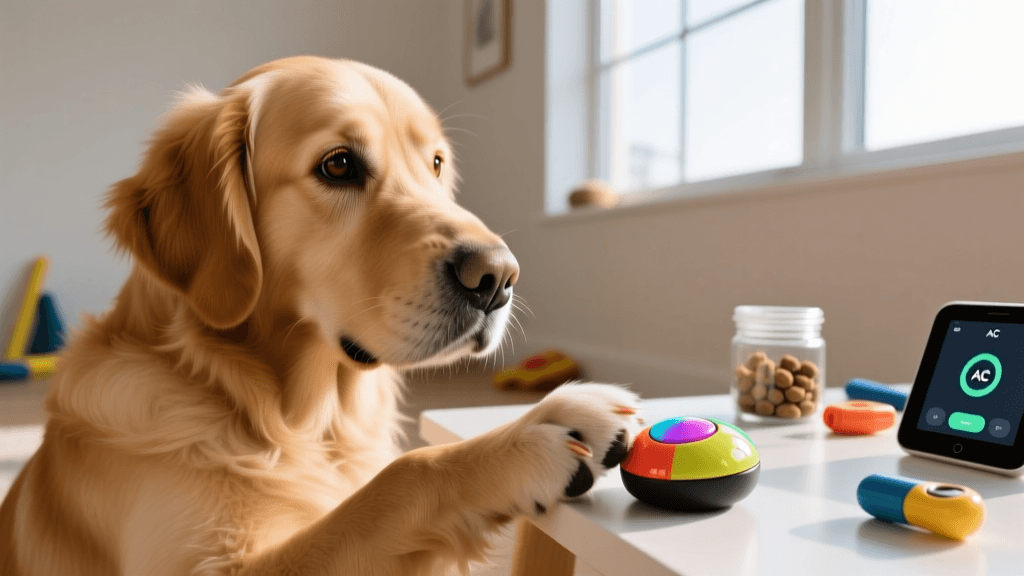
Canine Foraging Psychology: Enrichment Feeding Strategies
Discover how enrichment feeding taps into your dog's natural foraging instincts to reduce anxiety, curb boredom, and improve overall behavioral health.

The Evolutionary Mismatch: Bowl Feeding vs. Ancestral Instincts
In the modern household, the typical canine dining experience lasts approximately thirty seconds. A dog walks to a stainless steel or ceramic bowl, consumes a measured portion of highly palatable kibble, and moves on with its day. While this method of feeding is convenient for humans and ensures precise caloric tracking, it creates a profound evolutionary mismatch. In the wild, ancestral canids and modern wolves spend up to 80 percent of their waking hours hunting, scavenging, tracking, and foraging for food. The act of acquiring calories is inextricably linked to their physical and psychological well-being.
When we remove the 'work' from a dog's meal, we are left with a creature that possesses the same predatory and foraging drives as its wild counterparts, but with an abundance of unspent time and energy. This discrepancy is a root cause of many behavioral issues seen in modern domestic dogs, including hyperactivity, destructive behavior, and chronic anxiety. Understanding your dog requires looking beyond basic nutritional requirements and examining the psychology of how they eat.
The Neuroscience of the 'Seeking' Circuit
To truly understand why feeding strategies matter, we must look at canine neuroscience. The late Dr. Jaak Panksepp, a pioneering affective neuroscientist, identified seven core emotional systems in the mammalian brain. One of the most powerful is the 'SEEKING' system. This neural circuit is responsible for motivation, curiosity, and the anticipation of rewards.
When a dog uses its nose to track a scent, paws at a hidden object, or solves a physical puzzle to access food, the brain releases a surge of dopamine. This neurochemical response creates a state of deep satisfaction and mental fatigue. Interestingly, the dopamine release is often highest during the process of the hunt or search, rather than the final consumption of the food. By feeding a dog exclusively from a bowl, we bypass the SEEKING circuit entirely, depriving them of the neurological reward they are biologically hardwired to crave.
Behavioral Issues Solved by Enrichment Feeding
Transitioning from passive bowl feeding to active enrichment feeding can have a transformative effect on a dog's behavioral profile. According to the ASPCA, many common behavioral issues, such as destructive chewing and excessive digging, are direct symptoms of boredom and a lack of mental stimulation. Enrichment feeding specifically targets and mitigates the following behaviors:
- Destructive Chewing and Digging: By providing an appropriate outlet for foraging and shredding instincts, dogs are less likely to redirect these urges toward furniture, shoes, or landscaping.
- Hyperactivity and Pacing: Mental work is often more exhausting than physical exercise. A twenty-minute session of scent-based foraging can tire a dog out as much as a one-hour walk, reducing frantic indoor energy.
- Resource Guarding: When food is presented in a single, easily defensible bowl, some dogs develop anxiety over losing it. Scatter feeding and using multiple dispersed puzzle toys teach the dog that food is abundant and not worth aggressively guarding.
- Separation Anxiety: Providing a high-value, long-lasting enrichment feeder right before leaving the house creates a positive association with the owner's departure and keeps the dog's brain engaged in a calming, dopamine-releasing activity.
Actionable Enrichment Feeding Strategies
Implementing a foraging-based diet does not require expensive equipment or hours of preparation. Here are specific, actionable strategies categorized by the type of instinct they fulfill.
1. Scatter Feeding and Snuffle Mats (Scent Work)
Dogs experience the world primarily through their olfactory system. A dog's brain dedicates roughly 40 times more space to analyzing scents than a human brain does. Scatter feeding involves tossing your dog's daily kibble across a grassy yard or a large indoor space, forcing them to 'hunt' for each piece. For indoor use or bad weather days, a snuffle mat—a fabric mat with deep fleece strips that mimic grass—is an excellent alternative.
- Recommended Product: Wooly Snuffle Mat or Paw5 Wooly Snuffle Mat.
- Estimated Cost: $25 - $45.
- Best For: High-energy dogs, scent hounds (Beagles, Bloodhounds), and fast eaters.
2. Hollow Rubber Toys and Freezing Techniques (Chewing and Licking)
Licking and chewing are self-soothing behaviors for dogs. They trigger the release of endorphins, which naturally lower the heart rate and reduce stress. Hollow rubber toys can be stuffed with a mixture of your dog's kibble, a binder like plain canned pumpkin puree or plain Greek yogurt, and frozen to increase the difficulty and duration of the task.
- Recommended Products: KONG Classic (Red or Black), West Paw Toppl.
- Estimated Cost: $12 - $20 per toy.
- Best For: Teething puppies, dogs with separation anxiety, and heavy chewers.
3. Interactive Puzzle Boards (Problem Solving)
Puzzle boards require the dog to use their paws and snout to slide, flip, or lift compartments to reveal hidden treats. These toys engage the dog's spatial reasoning and persistence.
- Recommended Products: Outward Hound Dog Brick, Nina Ottosson Dog Twister.
- Estimated Cost: $15 - $35.
- Best For: Highly intelligent breeds (Border Collies, Poodles) and senior dogs needing cognitive maintenance.
Comparison Chart: Choosing the Right Enrichment Tool
Selecting the right tool depends on your dog's current skill level and specific behavioral needs. Use the table below to guide your purchasing decisions.
| Tool Type | Est. Cost | Difficulty | Primary Instinct Targeted | Best Behavioral Application |
|---|---|---|---|---|
| Scatter Feeding | $0 | Low | Foraging / Scent | Slowing down meals, basic daily enrichment |
| Snuffle Mat | $25 - $45 | Medium | Olfactory Tracking | Indoor scent work, calming hyperactive dogs |
| Frozen KONG | $12 - $20 | High | Chewing / Licking | Crate training, separation anxiety relief |
| Lick Mat | $10 - $15 | Low | Licking / Soothing | Grooming sessions, vet visits, mild anxiety |
| Puzzle Board | $15 - $35 | Variable | Cognitive / Motor | Senior dog brain health, boredom busting |
How to Transition Without Causing Frustration
A common mistake owners make is introducing a highly complex, frozen puzzle toy to a dog that has only ever eaten from a bowl. If a dog cannot figure out how to access the food within a few minutes, they will experience frustration, which can quickly escalate into 'learned helplessness'—a state where the dog simply gives up and ignores the toy altogether.
To ensure success, follow the rule of progressive difficulty:
- Stage 1 (Introduction): Use a clear, easy-to-manipulate toy. Do not freeze it. Leave the kibble loosely inside so the slightest nudge yields a reward.
- Stage 2 (Building Persistence): Add a mild binder like a smear of peanut butter (ensure it is xylitol-free) to make the kibble stick slightly, requiring the dog to work their tongue and paws more deliberately.
- Stage 3 (Advanced Challenge): Introduce freezing, or move to puzzle boards with multiple locking mechanisms that require sequential problem-solving.
Always supervise your dog with new enrichment toys to ensure they are not chewing off and swallowing pieces of rubber or plastic.
Expert Insights on Canine Mental Health
The veterinary and animal welfare communities strongly advocate for enrichment feeding as a cornerstone of behavioral health. The Best Friends Animal Society highlights that food puzzles are one of the most effective, low-cost interventions for shelter dogs and pets alike, drastically reducing stress-related behaviors and improving adoption outcomes. Furthermore, the American Veterinary Medical Association (AVMA) emphasizes that addressing a dog's environmental and psychological needs is just as critical as providing proper medical care and physical exercise. When we align our feeding strategies with a dog's evolutionary blueprint, we are not just feeding their bodies; we are nourishing their minds.
Conclusion
Understanding your dog means recognizing that they are not merely passive recipients of our care, but active, intelligent predators and scavengers with deep-seated biological drives. By discarding the food bowl and embracing enrichment feeding strategies like snuffle mats, frozen chew toys, and interactive puzzles, you can unlock a calmer, happier, and more fulfilled companion. The next time you prepare your dog's meal, ask yourself: how can I make them work for it? The answer will not only improve their behavior but will profoundly deepen the bond you share.
robin-maitland
All our authors care for dogs every day — read more of their work on the authors page.