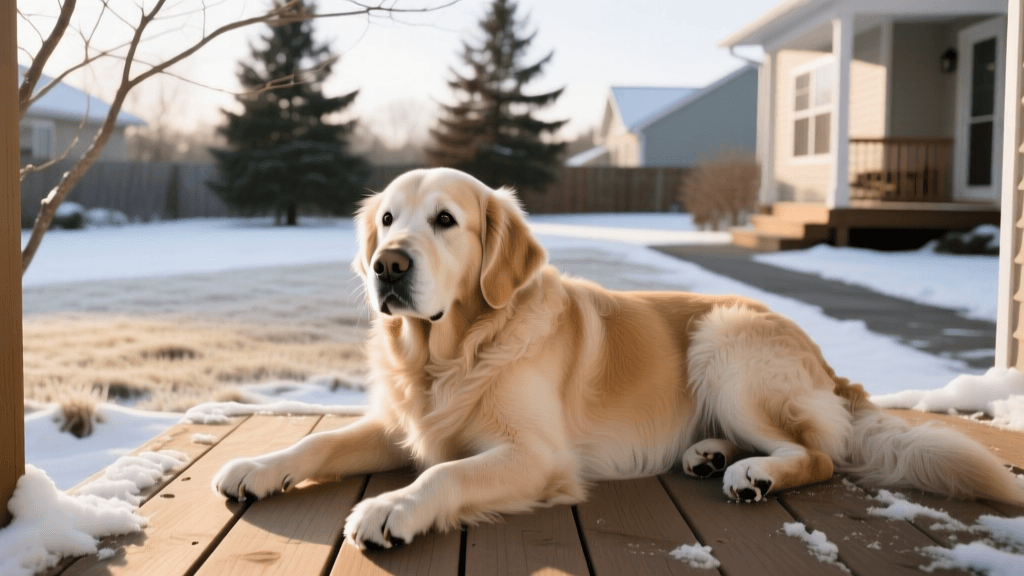
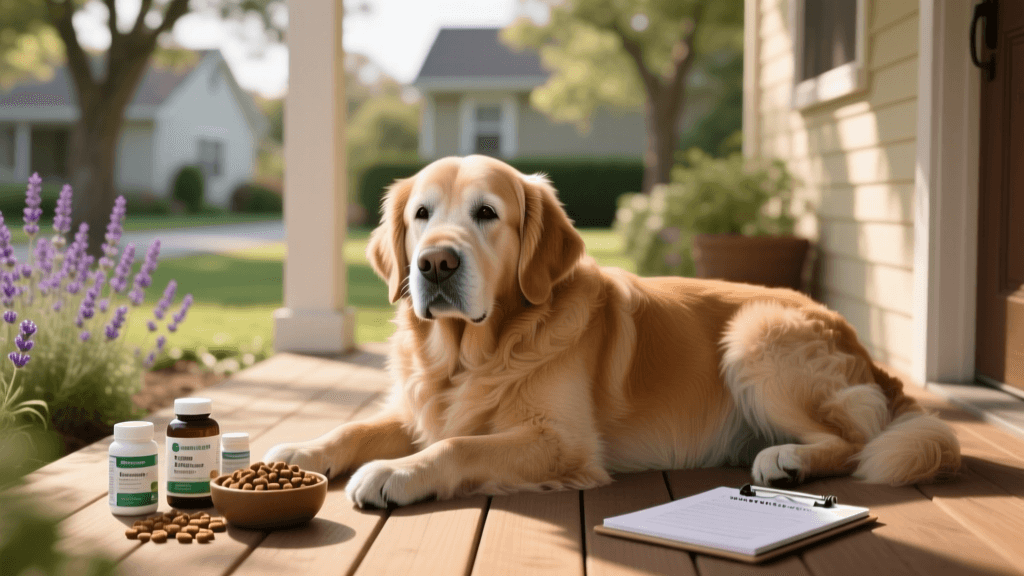
Canine Enrichment: The Viral Trend of Decompression Walks
Discover the viral trend of canine decompression walks and enrichment. Learn how sniffing and mental stimulation boost your dog's mental health.
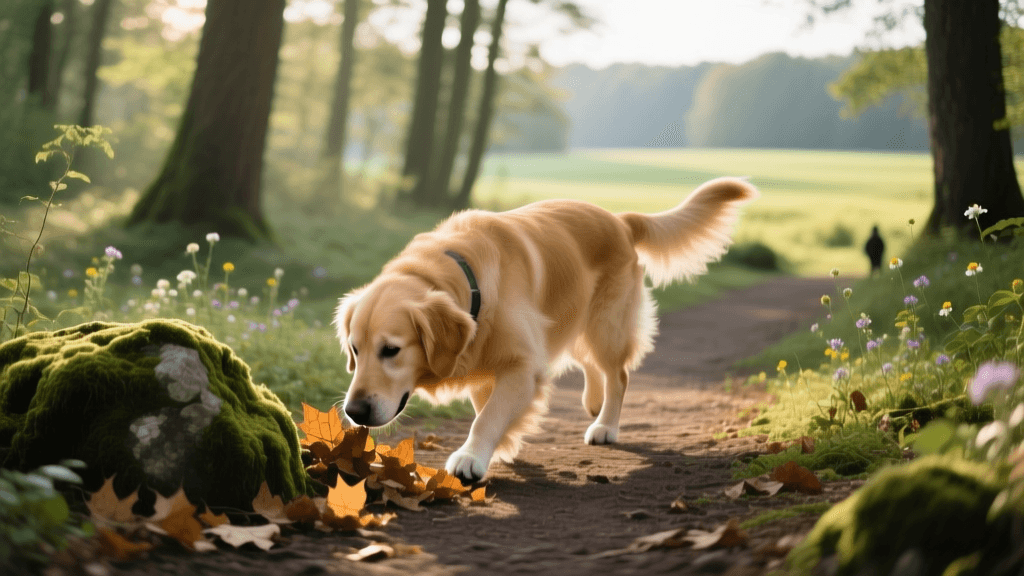
The Viral Shift in Dog Walking and Canine Mental Health
If you have scrolled through TikTok, Instagram, or YouTube Shorts lately, you have likely noticed a massive shift in how dog owners and professional trainers approach daily exercise. The traditional, rigid, heel-focused neighborhood walk is being rapidly replaced by a viral trend known as the 'decompression walk' or 'sniffari.' But this is not just a fleeting social media fad; it is a science-backed approach to canine enrichment that is fundamentally changing how we view our dogs' mental health and cognitive wellbeing.
For decades, the primary metric for a 'good' dog walk was physical exhaustion. Owners believed that a tired dog was a good dog, leading to countless miles of pavement-pounding in pursuit of burning off excess energy. However, modern veterinary behaviorists and certified trainers have highlighted a critical flaw in this logic: physical exhaustion does not equate to mental fulfillment. In fact, chronic physical over-exercise without mental stimulation can lead to canine burnout, hyperactivity, and heightened stress responses. According to the American Kennel Club (AKC), canine enrichment is essential for preventing behavioral issues, reducing anxiety, and promoting a balanced, happy nervous system.
The Science Behind the Sniffari
To understand why decompression walks have gone viral, we must first look at canine anatomy. A dog's primary sense is olfaction. While humans have roughly 6 million olfactory receptors, dogs possess up to 300 million, depending on the breed. Furthermore, the part of a dog's brain devoted to analyzing smells is about 40 times greater than ours. When a dog sniffs a fire hydrant, they are not just smelling urine; they are reading a complex chemical bulletin board that tells them the age, sex, diet, and stress levels of every dog that has passed by.
How Sniffing Alters Canine Brain Chemistry
Engaging in deep, sustained sniffing triggers the release of dopamine—the neurotransmitter associated with pleasure and reward—in the canine brain. This natural chemical release acts as a calming mechanism. Studies in veterinary behavior have shown that allowing dogs to sniff freely during walks actually lowers their heart rate and reduces cortisol (the stress hormone) levels. Fear Free Happy Homes, a leading authority on reducing fear, anxiety, and stress in pets, heavily advocates for scent-based enrichment as a primary tool for managing canine reactivity and anxiety. By allowing your dog to process their environment through their nose, you are essentially providing them with a form of canine meditation.
What Exactly is a Decompression Walk?
A decompression walk is an unstructured, dog-led outing where the primary goal is mental stimulation and environmental processing rather than physical distance or obedience. During a sniffari, the dog dictates the pace, the direction, and the duration of the stops. If your dog wants to spend five minutes sniffing a single patch of grass, you let them. This type of walk is particularly beneficial for reactive dogs, anxious rescues, senior dogs with limited mobility, and high-drive working breeds that need cognitive fatigue rather than just physical exertion.
Essential Gear for Decompression Walks
To safely execute a decompression walk, you must ditch the standard six-foot nylon leash and restrictive collars. The viral trend relies on specific, welfare-focused gear that allows the dog freedom of movement while maintaining safety.
- Y-Front Harness: A Y-front harness ensures that the dog's shoulder joints are not restricted. Popular options include the Ruffwear Front Range (approx. $45) or the Perfect Fit Harness (approx. $70). These distribute pressure evenly across the chest.
- Long Line (15 to 30 feet):strong> A long line gives the dog the illusion of being off-leash while keeping them safe from traffic and wildlife. Biothane waterproof long lines (approx. $30-$50) are the gold standard in the enrichment community because they do not tangle, absorb mud, or burn your hands if the dog pulls suddenly.
- High-Value Treat Pouch: Use a magnetic-closure treat pouch to reward 'check-ins' and voluntary eye contact when the environment becomes overwhelming.
Bringing the Viral Enrichment Trends Indoors
While decompression walks are incredible for outdoor enrichment, the viral canine enrichment movement also heavily features at-home mental stimulation tools. On rainy days or during extreme heat, you can replicate the cognitive fatigue of a sniffari using specialized indoor gear.
Top Rated Enrichment Toys and Tools
- Snuffle Mats: These fabric mats mimic the act of foraging in tall grass. By hiding dry kibble or freeze-dried treats deep within the fabric strips, you force your dog to use their nose to 'hunt' for their meal. The Paw5 Wooly Snuffle Mat (approx. $45) is a highly durable, machine-washable favorite among trainers.
- Lick Mats: Licking is a self-soothing behavior for dogs. Spreading soft foods over a textured silicone mat and freezing it provides 20 to 30 minutes of focused, anxiety-reducing activity. The Hyper Pet IQ Treat Mat (approx. $12) is a budget-friendly staple.
- Interactive Puzzle Feeders: Toys like the West Paw Toppl (approx. $25) can be interlocked to create complex puzzles that require dogs to use their paws and snouts to extract frozen treats.
Pro-Tip Frozen Recipe: For a soothing summer Lick Mat, mash half a ripe banana with two tablespoons of plain, unsweetened Greek yogurt and a handful of dog-safe blueberries. Spread the mixture onto the mat, drizzle with low-sodium bone broth, and freeze for four hours.
Physical Exercise vs. Mental Enrichment
Many owners are shocked to learn that 20 minutes of intense sniffing and mental enrichment can tire a dog out just as much as an hour of vigorous running. The table below breaks down the physiological and psychological differences between traditional physical exercise and mental enrichment.
| Feature | Traditional Physical Walk | Decompression / Enrichment Walk |
|---|---|---|
| Primary Goal | Physical exertion, leash manners | Mental stimulation, stress reduction |
| Pace and Direction | Steady, human-directed | Variable, dog-directed |
| Heart Rate | Elevates during activity | Lowers and stabilizes via sniffing |
| Calorie Burn | High | Low to Moderate |
| Fatigue Factor | Physical tiredness (muscle fatigue) | Cognitive fatigue (deep sleep induction) |
| Equipment Needed | Standard 6ft leash, collar/harness | 15-30ft long line, Y-front harness |
| Best For | Weight management, basic obedience | Reactivity, anxiety, senior dogs |
Safety, Etiquette, and Transitioning
Transitioning from a structured walk to a decompression walk requires patience, especially for dogs that are used to pulling or those that suffer from leash reactivity. The ASPCA notes that sudden changes in routine or environment can temporarily elevate a dog's stress levels if not managed correctly.
Start in a low-distraction environment, such as a quiet field, an empty park, or even a large, empty parking lot during off-hours. Allow the dog to drag the long line initially while you follow at a distance, stepping on the line only if they approach a hazard like broken glass or toxic flora. As your dog realizes they have the autonomy to explore, you will likely see a decrease in leash pulling and an increase in voluntary 'check-ins,' where the dog looks back at you for reassurance and guidance.
Always practice strict environmental awareness. Because your dog's nose will be glued to the ground, you must act as their eyes. Scan the perimeter for off-leash dogs, cyclists, and dangerous debris. Furthermore, respect local wildlife and private property; a sniffari should never involve your dog digging up landscaping or harassing local fauna.
Conclusion: Embracing the Enrichment Lifestyle
The viral trend of canine enrichment and decompression walks represents a beautiful evolution in the human-animal bond. By stepping away from the ego-driven desire for a perfectly heeling dog and embracing the dog's natural, instinctual need to explore the world through scent, we are unlocking a higher tier of canine welfare. Whether you are utilizing a 30-foot Biothane long line in a quiet meadow or serving a frozen Lick Mat on a rainy Tuesday, prioritizing your dog's cognitive health will result in a calmer, happier, and more deeply fulfilled companion. Ditch the rush, drop the heel command, and let your dog lead the way.
tom-renshaw
All our authors care for dogs every day — read more of their work on the authors page.