Best Joint Supplements for Agility Dog Training in 2026
Discover how joint supplements enhance canine agility training in 2026. Learn recovery protocols, top ingredients, and conditioning tips for active dogs.
The Intersection of Canine Agility Training and Joint Health
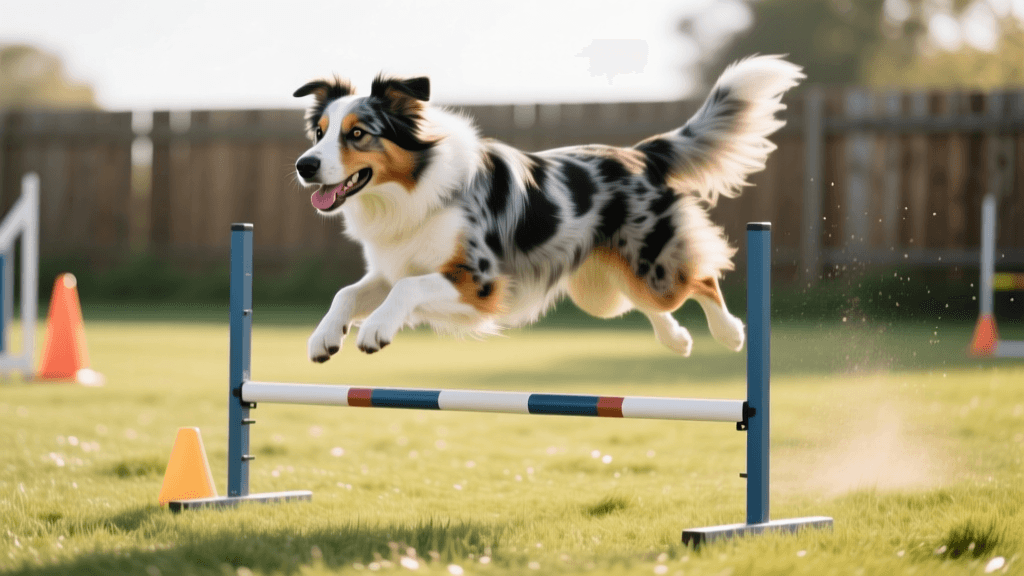
Canine agility, flyball, disc dog, and advanced trick training demand extraordinary physical exertion from our dogs. As we navigate the 2026 training season, the intersection of behavioral conditioning and biomechanical health has never been more critical. High-impact dog sports require explosive acceleration, sharp deceleration, and repetitive jumping, all of which place immense kinetic stress on a dog's carpus, shoulder, stifle, and hock joints. While modern training methodologies emphasize positive reinforcement and force-free conditioning, even the most scientifically sound training program will fail if the dog is experiencing subclinical joint discomfort.
In the realm of advanced obedience and agility, a dog's physical comfort is directly tied to their cognitive willingness to learn. Joint supplements are no longer just a reactive treatment for senior dogs; in 2026, they are recognized as a proactive training management tool. By preserving cartilage integrity, managing synovial inflammation, and supporting soft tissue recovery, high-quality joint supplements allow active dogs to maintain the physical drive necessary for complex behavioral conditioning and high-level trick acquisition.
Behavioral Conditioning vs. Pain Avoidance
To understand why joint supplements are vital for training, we must examine the mechanics of operant and classical conditioning. When teaching a dog to navigate an A-frame, weave through poles, or perform repetitive jumping tricks, we rely on positive reinforcement to build a strong behavioral history. The dog learns that performing the behavior results in a high-value reward, such as a favorite toy or food.
However, if a dog is experiencing micro-tears in their cartilage or early-onset synovitis, a competing stimulus is introduced: physical pain. When the handler gives the verbal cue for a jump, the dog's brain processes the anticipated reward against the anticipated physical discomfort. If the pain outweighs the value of the reinforcer, the dog will balk, refuse the obstacle, or break their stay. Unfortunately, inexperienced handlers often misinterpret this pain avoidance as disobedience, stubbornness, or a lack of focus. Correcting a dog for refusing an obstacle when they are actually in pain will rapidly destroy the training bond and create classical conditioning of fear toward the equipment. Proactive joint supplementation helps ensure that the dog remains physically capable of performing the behavior, keeping the training feedback loop clean and positive.
Key Joint Supplement Ingredients for Active Training Dogs
The canine supplement market has evolved significantly, with 2026 formulations focusing on highly bioavailable ingredients that target both cartilage synthesis and inflammatory pathways. When selecting a supplement for a working or agility dog, look for these clinically backed ingredients:
- Glucosamine HCl and Chondroitin Sulfate: The foundational building blocks for glycosaminoglycans (GAGs), which are essential for maintaining the structural integrity and shock-absorbing properties of articular cartilage.
- Green-Lipped Mussel (Perna canaliculus): A powerhouse ingredient rich in unique omega-3 fatty acids (ETAs) that specifically inhibit the lipoxygenase and cyclooxygenase pathways, providing profound natural anti-inflammatory effects without the gastrointestinal side effects of NSAIDs.
- Undenatured Type II Collagen (UC-II): Works via oral tolerance, interacting with the gut-associated lymphoid tissue (GALT) to modulate the immune system's attack on the dog's own joint cartilage. It is highly effective for dogs with autoimmune-mediated joint degradation or severe wear-and-tear from agility.
- Omega-3 Fatty Acids (EPA and DHA): Essential for managing systemic inflammation. High doses of EPA are critical for working dogs to maintain joint lubrication and reduce post-training stiffness.
- MSM (Methylsulfonylmethane): A natural sulfur compound that supports the formation of connective tissue and acts as an analgesic to reduce muscle and joint soreness after intense training sessions.
2026 Joint Supplement Comparison for Working and Agility Dogs
Choosing the right supplement depends on your dog's specific training discipline, age, and current joint health. Below is a comparison of the primary supplement categories utilized by canine sports professionals in 2026.
| Supplement Category | Primary Active Ingredients | Best Training Application | Est. Monthly Cost (2026) |
|---|---|---|---|
| Comprehensive Joint Blends | Glucosamine HCl, Chondroitin, MSM, Yucca | Foundation maintenance for young dogs entering agility or flyball. | $35 - $50 |
| Advanced Marine-Based Chews | Green-Lipped Mussel, Astaxanthin, Hyaluronic Acid | High-impact competition prep and acute inflammation management. | $45 - $65 |
| Immune-Modulating Collagen | UC-II (Undenatured Type II Collagen) | Senior agility dogs or breeds prone to early joint degradation. | $30 - $45 |
| Therapeutic Omega-3 Pumps | High-EPA/DHA Fish Oil or Algal Oil | Daily systemic recovery and soft-tissue conditioning. | $25 - $40 |
Integrating Supplements into Your Training Conditioning Schedule
Simply giving your dog a supplement is not enough; timing and dosing are critical for optimizing training outcomes. Most comprehensive joint supplements require a 'loading dose' phase. During the first four to six weeks of a new training season, or when introducing a dog to high-impact equipment like the dog walk or teeter-totter, administer double the standard maintenance dose. This saturates the joint tissues with the necessary precursors for cartilage repair.
Furthermore, integrate your supplement administration with your physical conditioning routine. In 2026, canine sports science heavily emphasizes the necessity of structured warm-ups and cool-downs. Administering liquid Omega-3s or fast-absorbing soft chews approximately two hours before an intense training session ensures that peak anti-inflammatory compounds are circulating in the bloodstream during the period of highest physical stress. Follow up post-training with targeted massage and myofascial release to complement the internal work the supplements are doing.
Recognizing Pain-Induced Behavioral Changes in Training
Even with a robust supplementation protocol, handlers must remain vigilant for subtle behavioral shifts that indicate joint discomfort. Because dogs are highly stoic and possess a strong drive to please their handlers, they will often mask pain until it becomes severe. Watch for the following training regressions:
- Slower Criteria Execution: A dog that previously hit the A-frame contact zone with speed now decelerates prematurely or 'paddles' down the ramp.
- Anticipatory Avoidance: The dog breaks their start-line stay to sniff the ground or look away when approached by the weave poles.
- Asymmetrical Movement: Noticeable changes in how the dog lands from jumps, favoring one front limb over the other, or a shortened stride length during recall exercises.
- Post-Training Stiffness: The dog appears stiff or reluctant to rise from their bed or crate after a period of rest following a training session.
If you observe any of these signs, cease high-impact training immediately. Consult with a veterinary sports medicine specialist and re-evaluate your supplement protocol, physical warm-up routines, and the biomechanical fit of your training equipment.
Veterinary and Expert Guidelines for 2026
When incorporating joint supplements into your training regimen, it is imperative to rely on evidence-based veterinary guidance rather than marketing hype. The American Veterinary Medical Association (AVMA) emphasizes that while supplements cannot cure osteoarthritis, they are a vital component of a multimodal management plan that includes weight control, physical therapy, and environmental modification. For agility dogs, maintaining a lean body condition score (BCS) is just as critical as any supplement, as excess weight exponentially increases the kinetic force applied to the joints during landing.
Additionally, because the supplement industry is not regulated with the same stringency as pharmaceuticals, experts recommend choosing products that carry the seal of the National Animal Supplement Council (NASC). The NASC enforces rigorous quality control, independent auditing, and adverse event reporting, ensuring that the active ingredients listed on the label are actually present in the bottle in the correct dosages. This guarantees that your training dog receives consistent, safe, and effective joint support.
Conclusion: Building a Sustainable Training Career
Ultimately, the goal of any dedicated dog sport handler is to build a long, sustainable, and joyful training career with their canine partner. By viewing joint supplements not merely as a medical intervention, but as an essential pillar of your behavioral conditioning and physical preparation strategy, you set your dog up for success. Proactive joint care preserves the physical comfort necessary for enthusiastic learning, ensuring that when you give the cue to jump, run, or weave, your dog responds with the speed, confidence, and happiness that defines true canine athleticism in 2026 and beyond.
anouk-beaumont
All our authors care for dogs every day — read more of their work on the authors page.