Best Canicross Harnesses & Bungee Lines for 2026
Discover the best canicross harnesses and bungee lines for 2026. Our expert gear guide covers top brands, safety tips, and training advice for dog sports.
The Rise of Canicross in 2026: More Than Just a Run
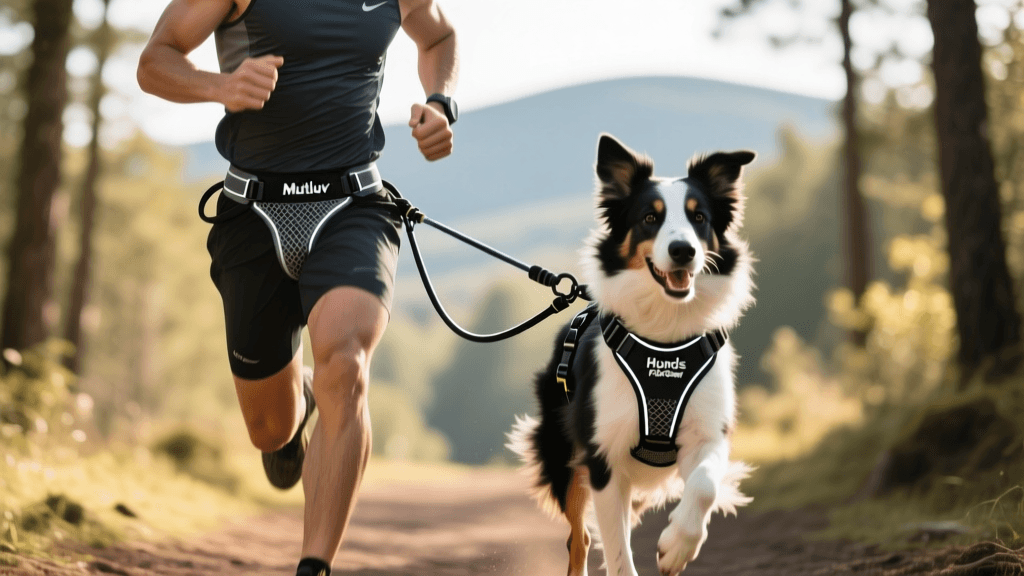
Canicross—the sport of cross-country running with your dog—has evolved from a niche off-season training activity for sleddog mushers into a mainstream competitive sport. In 2026, participation in organized canine trail running events has surged, driven by a growing understanding of canine fitness and the deep bond forged through team-based athletics. Unlike standard jogging where the dog trots beside you, canicross requires the dog to pull ahead, utilizing specialized gear to ensure safety, efficiency, and comfort for both the human and the hound.
Whether you are looking to enter your first local race or simply want to upgrade your weekend trail routine, selecting the correct equipment is paramount. According to the The Kennel Club, proper canicross equipment is essential not just for performance, but to prevent long-term musculoskeletal injuries in pulling dogs. This comprehensive guide breaks down the best canicross harnesses, bungee lines, and human gear available in 2026.
The Biomechanics of Pulling: Why Regular Harnesses Fail
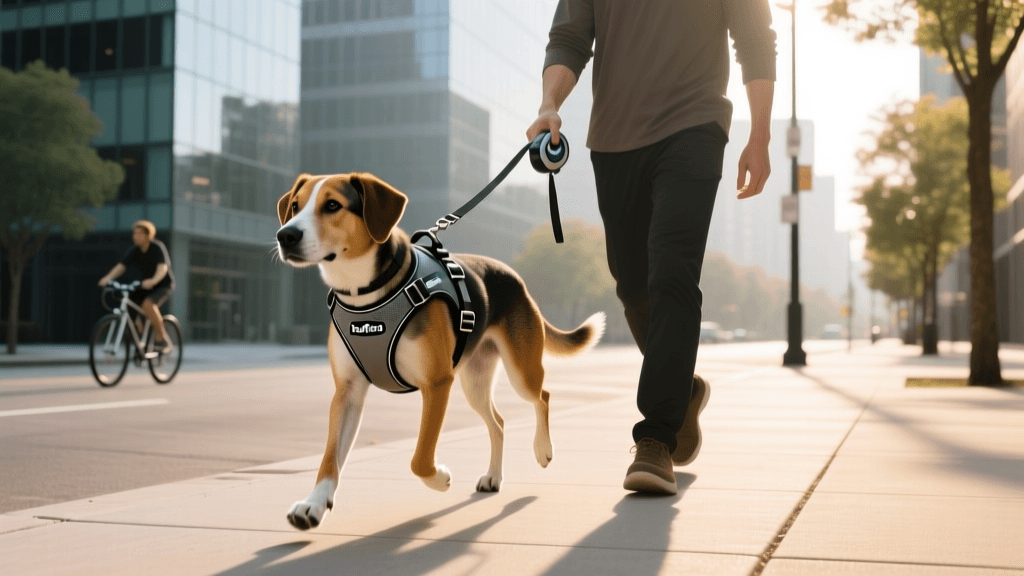
A common mistake beginners make is using a standard walking or no-pull Y-harness for canicross. While these harnesses are excellent for neighborhood strolls, they are biomechanically unsuited for sustained, high-tension pulling. Standard harnesses often sit too close to the shoulder joints, restricting the dog's front-leg extension. When a dog leans into a pull, a poorly fitted harness can cause chafing, restrict breathing, and alter the dog's natural gait.
A dedicated canicross harness features a long back that extends past the tail base. This design distributes the pulling force evenly across the dog's chest and sternum, keeping the airway completely clear while allowing full, uninhibited shoulder rotation. The International Federation of Sleddog Sports (IFSS) mandates specific harness lengths and padding standards for sanctioned races to ensure animal welfare, a standard that recreational runners should strictly follow.
2026 Canicross Harness Comparison Chart
The market for canine sports gear has seen incredible material innovations this year, focusing on ultra-lightweight, high-tenacity fabrics like Dyneema and UHMWPE. Below is a comparison of the top three harnesses dominating the trails in 2026.
| Model | Best For | Weight | 2026 Est. Price | Key Feature |
|---|---|---|---|---|
| Non-stop Freemotion 5.0 | Competitive Racing & Long Distance | 190g | $165 | Hollow back design for spinal clearance |
| Zero DC Short Harness | Beginners & Short-Backed Breeds | 160g | $115 | Lightweight, easy to fit, wide chest plate |
| Hurtta Extreme Runner | Multi-Sport & Trail Running | 210g | $140 | Adjustable length, great for intermittent pulling |
Deep Dive: Top 3 Canicross Harnesses Reviewed
1. Non-stop Freemotion 5.0: The Gold Standard
The Non-stop Freemotion series has been the undisputed champion of the canicross world for years, and the 5.0 iteration released for the 2026 season is their most refined yet. The defining feature of the Freemotion is its "hollow back" design. The straps run along the sides of the dog's spine rather than directly over it, ensuring that when the dog is pulling at maximum force, no downward pressure is applied to the vertebrae. The 5.0 model introduces a new hydrophobic inner lining that sheds water and mud instantly, preventing the harness from becoming heavy and waterlogged during wet trail runs. It is highly adjustable at the neck, chest, and back length, making it suitable for almost any breed from a 30-pound Border Collie to an 80-pound German Shorthaired Pointer.
2. Zero DC Short Harness: The Beginner's Best Friend
Fitting a long-back harness can be intimidating for newcomers. The Zero DC Short Harness solves this by offering a slightly truncated back length that still provides excellent weight distribution without the complex sizing matrix of competition harnesses. It is particularly well-suited for breeds with naturally short backs, such as Corgis or Bulldogs, who want to participate in light recreational canicross. The 2026 version features reinforced cross-stitching at the primary tow point and a highly visible, reflective 3M Scotchlite trim for low-light winter runs.
3. Hurtta Extreme Runner: The Versatile Multi-Sport Option
Not every run is a dedicated canicross session. Sometimes you are hiking, scrambling over rocks, or running on technical single-track where your dog needs to drop back and stop pulling. The Hurtta Extreme Runner bridges the gap between a pulling harness and a standard trail harness. It features a sturdy handle on the back for lifting your dog over obstacles and an adjustable length strap that allows you to customize the fit based on whether the dog is actively pulling or just running alongside you. It is slightly heavier than the Freemotion but offers superior durability for rugged, off-trail bushwhacking.
The Lifeline: Selecting Your Bungee Line
The bungee line is the critical communication link between you and your dog. A standard flat leash is dangerous in canicross; if your dog suddenly lunges or stops, the lack of shock absorption can cause severe spinal or joint injuries to the dog, and lumbar damage to the human. A proper canicross bungee line features an internal elastic core encased in a durable, abrasion-resistant woven sheath.
In 2026, the standard lengths remain dictated by the terrain and the sport:
- 2.0 Meters (Unstretched): Ideal for bikejoring and skijoring, where a shorter line prevents the dog from getting tangled in equipment or wheels.
- 2.8 Meters (Unstretched): The standard for canicross running. This length ensures that when the dog is at full speed and you are slightly behind, the line remains taut enough to encourage pulling but slack enough to trip neither of you on steep descents.
Look for lines featuring high-quality aluminum carabiners with a locking mechanism or a quick-release panic snap on the human end. Brands like Howling Dog Alaska and Non-stop Dogwear continue to lead the market with lines that maintain their elasticity even after hundreds of miles of use.
The Human Element: Hip Belts and Footwear
Your dog's pulling power can easily exceed 50 pounds of force. If you attach the bungee line to a standard waist belt or hold it in your hand, you risk severe lower back strain and shoulder injuries. A dedicated canicross hip belt is non-negotiable. These belts sit low on the pelvis, transferring the pulling force directly to your center of gravity and engaging your glutes and core. The best belts for 2026 feature wide, breathable mesh backing and leg straps to prevent the belt from riding up into your lumbar region during steep climbs.
Footwear is equally critical. Trail running shoes with aggressive lugs (such as those from Salomon, Hoka, or Altra) provide the necessary traction to brace against your dog's pull, especially on muddy or wet root-covered trails.
Training Commands and Safety Protocols
Canicross is as much a mental sport as a physical one. Your dog needs to understand that the harness is a cue to pull. The American Kennel Club (AKC) emphasizes that structured dog sports provide vital mental stimulation and reinforce obedience. Before hitting the trails, establish a clear vocabulary:
- "Gee" and "Haw": Traditional mushing commands for right and left turns. Consistency is key; never use "left" and "right" interchangeably with "Gee" and "Haw".
- "On By" or "Leave It": Crucial for passing other dogs, wildlife, or runners without your dog breaking stride or lunging.
- "Easy": A command to slow down, usually used on technical descents where you need the dog to stop pulling and act as a brake.
Health and Safety: Never engage in sustained canicross running with a dog whose growth plates have not fully closed (typically 18 to 24 months for medium and large breeds). Always carry water for your dog, as pulling generates significantly more body heat than free-running. Monitor your dog's paw pads, especially on abrasive rocky terrain, and consider using canine paw wax or breathable dog booties for long-distance races.
Conclusion
Canicross in 2026 is more accessible and technologically advanced than ever before. By investing in a biomechanically sound harness like the Non-stop Freemotion 5.0, pairing it with a high-quality shock-absorbing bungee line, and utilizing a proper human hip belt, you set the foundation for a safe, exhilarating partnership on the trails. Remember that the ultimate goal of any dog sport is mutual enjoyment and fitness. Start slow, prioritize your dog's conditioning, and enjoy the incredible experience of flying down the trail together.
robin-maitland
All our authors care for dogs every day — read more of their work on the authors page.