Best Low-Stress Dog Breeds for Remote Workers in 2026
Discover the best calm, low-stress dog breeds for remote workers in 2026. Boost your WFH mental health and productivity with these ideal canine companions.
The Intersection of Remote Work and Canine Mental Health
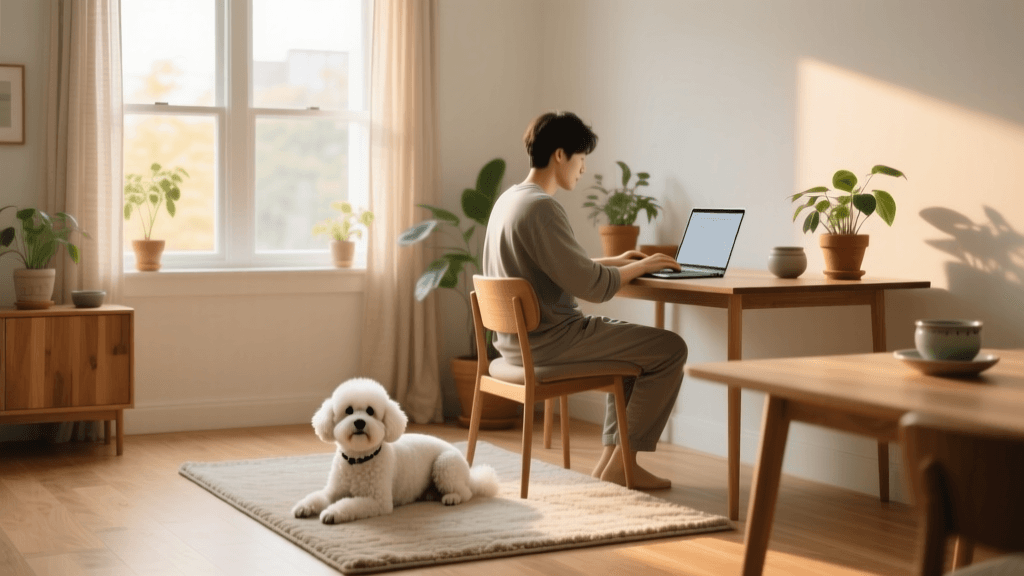
As we settle into the evolving remote work landscape of 2026, the home office has transformed from a temporary necessity into a permanent sanctuary for productivity and wellness. For millions of professionals, sharing this space with a canine companion is no longer just a perk; it is a vital component of their daily mental health routine. However, not all dogs are suited for the quiet, focused environment of a home office. High-energy working breeds or dogs prone to severe separation anxiety can inadvertently elevate your cortisol levels, disrupt deep-work sessions, and suffer from chronic stress themselves when their needs clash with your virtual meeting schedule.
Choosing a low-stress, emotionally resilient breed is essential for fostering a mutually beneficial environment. This guide explores the best dog breeds for remote workers in 2026, focusing on their temperament, physical health requirements, and how they actively contribute to a balanced work-from-home lifestyle.
The Science of WFH Companionship
The intersection of human productivity and canine companionship is backed by robust science. According to the Human Animal Bond Research Institute, interacting with a calm dog can significantly lower blood pressure, reduce levels of the stress hormone cortisol, and increase the release of oxytocin in humans. Furthermore, a comprehensive overview by the Mayo Clinic highlights that pets provide a grounding sense of routine and purpose, which are critical anchors for remote workers battling isolation or burnout.
But this symbiotic relationship only thrives if the dog's temperament aligns with your workday. A dog that barks at every passing delivery drone or demands vigorous agility training while you are on a conference call will create a high-stress environment for both of you. Therefore, veterinary behaviorists in 2026 increasingly recommend 'low-arousal' breeds for professionals who spend the majority of their week working from home.
Top 4 Low-Stress Dog Breeds for the Home Office
1. The Greyhound: The 45-MPH Couch Potato
Despite their reputation as elite racing athletes, retired Greyhounds are famously known in the veterinary community as '45-mph couch potatoes.' According to the American Kennel Club, Greyhounds are incredibly docile, quiet, and low-energy indoors. For a remote worker, this means you get a large, majestic companion who is perfectly content to sleep on an orthopedic bed beneath your standing desk for eight hours.
Health & Wellbeing Focus: Greyhounds have very low body fat and thin coats, making them highly sensitive to cold drafts and hard surfaces. In a climate-controlled home office, providing a heavily padded, thermal orthopedic bed is non-negotiable to prevent joint stiffness and pressure sores. Their mental health thrives on a single, brisk 30-minute morning walk followed by uninterrupted lounging, making them the ultimate low-maintenance co-pilots.
2. The Cavalier King Charles Spaniel: The Empathetic Anchor
If your remote work involves high-stakes negotiations or stressful deadlines, the Cavalier King Charles Spaniel is a masterclass in emotional regulation. These dogs are profoundly empathetic, often sensing shifts in their owner's heart rate and stress levels, offering quiet physical contact without demanding active play. They rarely bark without cause, ensuring your microphone stays clear during virtual meetings. Furthermore, their moderate size makes them easy to travel with if your remote work occasionally requires a change of scenery or a trip to a dog-friendly co-working space.
Health & Wellbeing Focus: The Cavalier's physical wellbeing requires proactive veterinary care. They are genetically predisposed to mitral valve disease and syringomyelia. When adopting or purchasing in 2026, it is imperative to seek breeders who provide up-to-date cardiac MRI clearances. From a mental health perspective, their deep need for physical proximity means they do best with owners who allow them to rest in a designated desk-side bed, fulfilling their pack-bonding instincts without encouraging clinginess.
3. The Basset Hound: The Grounded Co-Pilot
Basset Hounds bring a slow, deliberate, and deeply calming energy to the home office. Their low-slung build and melancholic expressions are matched by an incredibly laid-back temperament. They are generally unbothered by the ringing of doorbells or the sounds of virtual collaboration tools, preferring to snore softly in the background.
Health & Wellbeing Focus: The primary health concern for Basset Hounds is Intervertebral Disc Disease (IVDD) due to their elongated spines. As a remote worker, you must manage their environment by providing ramps to access couches or beds and strictly monitoring their caloric intake to prevent obesity, which exacerbates spinal stress. Their mental enrichment is best served through 'scent work' during your lunch break; hiding healthy treats around the home office allows them to engage their powerful olfactory senses while you step away from the screen.
4. The Shih Tzu: The Quiet Desk Companion
Bred exclusively for companionship, the Shih Tzu is a staple for remote workers living in apartments or smaller home-office setups. They are affectionate, moderately playful, and highly attuned to their owner's daily rhythm. Unlike terriers, they lack a high prey drive and are unlikely to chase shadows or bark at neighborhood noises.
Health & Wellbeing Focus: As a brachycephalic (flat-faced) breed, Shih Tzus require strict temperature regulation. Your home office must remain cool, and they should never be subjected to strenuous exercise that could compromise their airways. Daily wellbeing involves meticulous eye cleaning and regular grooming to prevent matting and dermatological infections. Their moderate need for attention is easily satisfied by a quick game of tug during your Pomodoro technique breaks.
Comparative Guide: WFH Breed Wellness Matrix
| Breed | Energy Level | Vocalization | Primary Health Focus | WFH Suitability |
|---|---|---|---|---|
| Greyhound | Low (Indoors) | Very Low | Joint support, temperature regulation | Excellent for long deep-work sessions |
| Cavalier King Charles | Low to Moderate | Low | Cardiac health, neurological screening | Ideal for high-stress, empathetic support |
| Basset Hound | Low | Moderate (Howling) | Spinal health (IVDD), weight management | Great for relaxed, creative work environments |
| Shih Tzu | Moderate | Low | Respiratory care, eye hygiene | Perfect for compact home offices and apartments |
Designing a 2026 WFH Wellness Routine for Your Dog
Choosing the right breed is only the first step; maintaining their physical and mental health while you work requires a structured routine. Veterinary behaviorists emphasize that dogs thrive on predictability. Here is how to optimize your 2026 home office routine for your canine companion:
- The 'Fake Commute' Walk: Remote workers often miss the psychological transition of commuting. Replace this by taking your dog for a 20-minute 'sniffari' walk before you log on. This allows them to empty their bladder, engage in mental enrichment through scent-tracking, and settle down for the morning just as you begin your workday.
- Automated Enrichment Tools: During your busiest hours, prevent boredom-induced anxiety by utilizing smart enrichment devices. Modern 2026 treat-dispensing cameras allow you to toss low-calorie training treats to your dog from your desk or smartphone, rewarding quiet behavior without breaking your workflow.
- Lick Mats and Snuffle Mats: Spreading a thin layer of dog-safe peanut butter or plain pumpkin puree on a textured silicone lick mat can occupy your dog for up to 45 minutes. The repetitive licking action is scientifically proven to release endorphins in a dog's brain, naturally soothing them while you tackle complex spreadsheets.
- Ergonomic Resting Zones: Do not allow your dog to sleep on hard floors, which can lead to calluses and joint degradation. Invest in a memory-foam dog bed that fits seamlessly under your desk. This keeps them in your 'pack radius,' satisfying their social needs while keeping them out of the way of your rolling chair.
- The Pomodoro Play Break: Align your dog's physical needs with your own screen-fatigue breaks. For every 50 minutes of focused work, take 10 minutes to stretch, hydrate, and engage your dog in a low-impact training session or a gentle game of indoor fetch. This mutual movement prevents the lethargy associated with sedentary remote work.
Conclusion
The ideal work-from-home companion should act as a buffer against stress, not an additional source of it. By selecting a low-arousal, emotionally stable breed like the Greyhound, Cavalier, Basset Hound, or Shih Tzu, you are investing in a shared environment that promotes focus, lowers blood pressure, and nurtures mutual wellbeing. As remote work continues to evolve in 2026, prioritizing the intersection of human productivity and canine mental health will ensure that your home office remains a sanctuary of calm, creativity, and companionship.
priya-sutaria
All our authors care for dogs every day — read more of their work on the authors page.