Budget-Friendly Puppy Teething and Potty Training Hacks
Discover budget-friendly puppy teething relief and potty training hacks. Save money on toys, pads, and vet visits during your pup's first year.
Bringing a new puppy home is an incredibly joyous milestone, but the financial reality of a dog's first year can quickly induce sticker shock. Between premium kibble, endless rounds of core vaccinations, spay or neuter surgeries, and replacing destroyed household items, the costs add up fast. For many new owners, two of the most notoriously frustrating—and potentially expensive—developmental phases are teething and potty training. When a teething puppy with an untrained bladder meets your favorite living room rug, both your sanity and your wallet are on the line.
Fortunately, you do not need to spend hundreds of dollars on boutique puppy pads, high-end teething gels, or designer chew toys. With a little creativity, patience, and an understanding of canine development, you can successfully navigate these early milestones on a strict budget. This guide will walk you through practical, low-cost strategies for saving money while keeping your puppy healthy, happy, and well-adjusted.
The Real Cost of Puppy Teething (and How to Cut It)
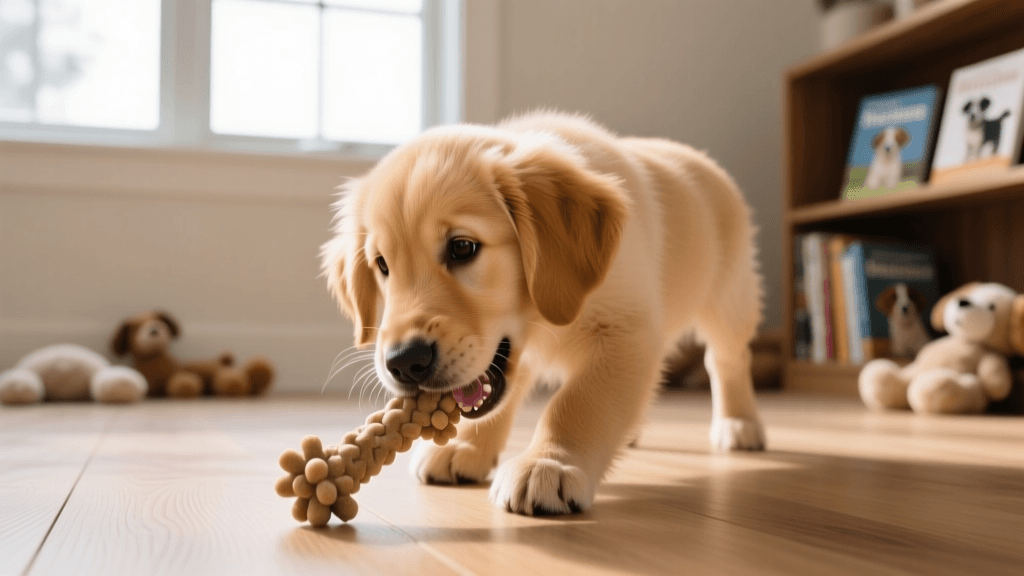
Puppies start teething around three to four weeks of age, and the sometimes-painful process continues until they are about six months old. According to the American Kennel Club (AKC), puppies develop 28 deciduous (baby) teeth that eventually fall out to make way for 42 permanent adult teeth. The discomfort of teeth pushing through tender gums leads to an insatiable, biological urge to chew on literally anything they can find.
DIY Freezable Teething Toys
Instead of buying fifteen-dollar rubber toys that get shredded in a week, you can create highly effective, soothing teething relief using items already in your kitchen and laundry room.
- The Frozen Broth Washcloth: Take a clean, 100-percent cotton washcloth and soak it in low-sodium chicken or beef broth. Crucially, ensure the broth contains absolutely no onions or garlic, as these are highly toxic to dogs. Wring the cloth out until it is damp but not dripping, twist it tightly into a rope, tie a secure knot in the middle, and place it in the freezer overnight. The frozen broth provides a tasty distraction, while the icy, textured fabric massages sore gums and reduces inflammation. Cost: approximately $0.50 per toy.
- The Carrot Chill: Large, whole carrots are incredibly cheap, low in calories, and provide a satisfying crunch that cleans teeth and soothes gums. Unlike rawhide, which can pose a choking hazard and cause intestinal blockages, carrots are fully digestible. Simply peel a large carrot, soak it in water, and freeze it. Cost: roughly $0.20 per treat.
Pro Tip: Never use human toothpaste or oral gels containing benzocaine or xylitol on your puppy. These ingredients are highly toxic to dogs and can cause severe medical emergencies.
Commercial vs. DIY Teething Solutions
| Solution Type | Estimated Cost | Durability | Safety Notes |
|---|---|---|---|
| Frozen Broth Washcloth | ~$0.50 | Low (Supervise & discard when thawed) | Ensure broth has no onion/garlic |
| Whole Frozen Carrots | ~$0.20 | Medium (Consumable) | Low calorie, fully digestible |
| Commercial Rubber Toys | $12.00 - $18.00 | High | Size appropriately to prevent choking |
| Edible Rawhide Chews | $8.00 - $15.00 | Medium | High risk of choking/blockages; avoid |
Budget-Friendly Potty Training Strategies
Potty training requires consistency, supervision, and the right cleaning supplies. While it is tempting to buy every gadget on the market, the most effective methods are often the simplest and cheapest.
The Puppy Pad Debate: Paper vs. Pads
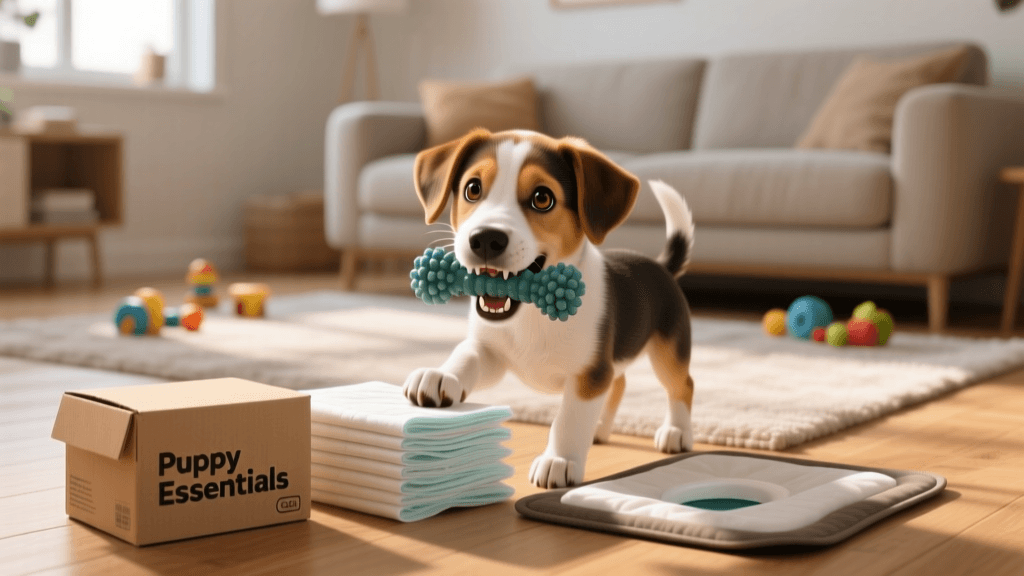
Disposable puppy pads can cost upwards of $30 for a box of 100, and over a six-month training period, this expense compounds rapidly. Furthermore, behaviorists often warn that pads can inadvertently teach your dog that it is acceptable to eliminate on soft, absorbent surfaces indoors—which unfortunately includes your carpets and area rugs. The most budget-friendly and effective method is direct outdoor training. If you live in a high-rise apartment and absolutely must use an indoor elimination station, skip the expensive disposable pads. Instead, use layered newspaper (often available for free from local coffee shops, recycling bins, or neighbors) topped with a single, reusable, washable pee pad. You can toss the soiled newspaper and simply machine-wash the reusable pad, saving hundreds of dollars a year.
The Free Outdoor Potty Schedule
Consistency is free. Establishing a rigid schedule prevents accidents before they happen, saving you money on cleaning supplies and frustration.
- 7:00 AM: Immediate outdoor trip upon waking.
- 7:30 AM: Outdoor trip 15 minutes after breakfast.
- 10:00 AM: Outdoor trip after morning play session.
- 12:00 PM: Outdoor trip immediately after lunch.
- 3:00 PM: Outdoor trip after afternoon nap.
- 6:00 PM: Outdoor trip after dinner and evening play.
- 10:00 PM: Final outdoor trip right before bedtime.
Enzymatic Cleaners: Where You Cannot Skimp
When accidents happen—and they will—you must clean them properly. Standard household cleaners contain ammonia, which smells remarkably like urine to a dog's sensitive nose and actually encourages them to re-soil the same spot. You must use an enzymatic cleaner, which contains natural bacteria that break down the uric acid crystals. While boutique, vet-office brands can cost $20 a bottle, store-brand enzymatic cleaners from big-box pet stores or hardware stores cost around $8 to $12 and are equally effective. The ASPCA strongly recommends using enzymatic cleaners to completely remove the scent markers that trigger repeat offenses.
Crate Training on a Dime
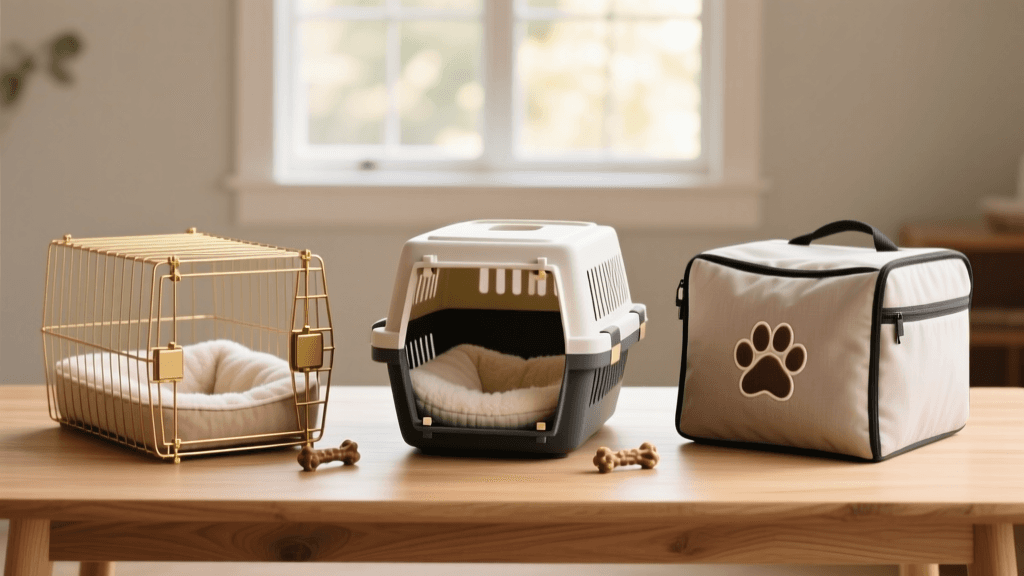
A crate is an invaluable tool for potty training, as dogs possess a natural instinct to avoid soiling their immediate sleeping area. However, new, heavy-duty wire crates can cost anywhere from $60 to over $100.
- Source Second-Hand: Check Facebook Marketplace, Craigslist, or local animal shelter thrift stores. You can easily find a gently used, sanitizable wire crate for $15 to $25.
- The DIY Divider: Puppies grow rapidly, and buying multiple crates for different life stages is a massive waste of money. Buy a wire crate sized for your dog's estimated adult weight. To make it puppy-sized, create a DIY divider. Cut a piece of sturdy corrugated cardboard or a thin wooden board to the exact dimensions of the crate's cross-section. Secure it in place using heavy-duty zip ties. As your puppy grows and demonstrates reliable bladder control, simply move the zip-tied divider back a few inches.
Preventing Destructive Chewing to Save Your Furniture
A puppy chewing up a $200 pair of sneakers or ruining a $500 rug is a massive hidden cost of the teething phase. The Humane Society of the United States advises providing a variety of chew toys and thoroughly puppy-proofing your home to prevent destructive habits.
Tension Rods and Plastic Bins: You do not need to buy expensive, custom-made pet gates for every doorway. Heavy-duty tension rods, which cost about $5 each at local hardware stores, can be wedged into doorframes to block off carpeted rooms or bathrooms. Keep all shoes, cables, and children's toys in closed, heavy-duty plastic bins from the dollar store rather than leaving them on the floor or in open baskets.
DIY Bitter Deterrent: If your puppy targets wooden baseboards or furniture legs, you can make a safe, homemade deterrent. Mix equal parts white vinegar and water in a spray bottle, and lightly mist the targeted areas. The strong, sour scent and taste will deter most puppies. Always test this mixture on a hidden area of wood or fabric first to ensure it does not cause discoloration.
Budget-Friendly Early Socialization
While teething and potty training are the immediate physical hurdles, early socialization is equally critical in the first year. You do not need expensive puppy classes to socialize your dog. Invite friends of varying ages and appearances over to your home. Sit on a park bench while carrying your unvaccinated pup (to avoid parvovirus exposure from the ground) and let them experience the sights, sounds, and smells of the world for free. Exposing your puppy to umbrellas, hats, and household vacuums in a controlled, positive environment costs nothing but prevents costly behavioral rehabilitation later in life.
When to See the Vet (and When to Wait)
Budget-friendly dog care does not mean compromising on your puppy's health. Swallowing foreign objects—such as pieces of a destroyed squeaky toy, a swallowed sock, or large chunks of a stick—can lead to a life-threatening bowel obstruction. Emergency gastrointestinal surgery can easily cost between $2,000 and $5,000. Never leave a puppy unattended with a DIY toy that can be torn apart and swallowed, such as the frozen washcloth (supervise them and take it away once it thaws and becomes shreddable). If your puppy exhibits vomiting, lethargy, or a loss of appetite during the teething phase, do not wait it out to save money on a consultation; seek veterinary care immediately.
Conclusion
Raising a puppy on a budget is entirely possible when you substitute expensive retail products with time, consistency, and clever household alternatives. By utilizing DIY frozen treats, embracing outdoor potty routines, sourcing second-hand crates, and rigorously puppy-proofing your home, you can protect your bank account while providing your puppy with a safe, loving, and enriching first year of life.
anouk-beaumont
All our authors care for dogs every day — read more of their work on the authors page.