Budget-Friendly Puppy Socialization: Free Confidence Building
Discover budget-friendly puppy socialization tips to build confidence without expensive classes. Free, actionable steps for your pup's first critical months.
The Critical Window: Why Early Socialization Matters
Bringing a new puppy home is an exciting milestone, but it often comes with a staggering list of expenses. Between premium kibble, chew toys, veterinary bills, and bedding, new owners frequently find their budgets stretched to the limit. When money gets tight, puppy training and socialization classes are often the first expenses to get cut. However, skipping early socialization can lead to severe behavioral issues, fear, and anxiety later in life, which are far more expensive to fix with a certified behaviorist.
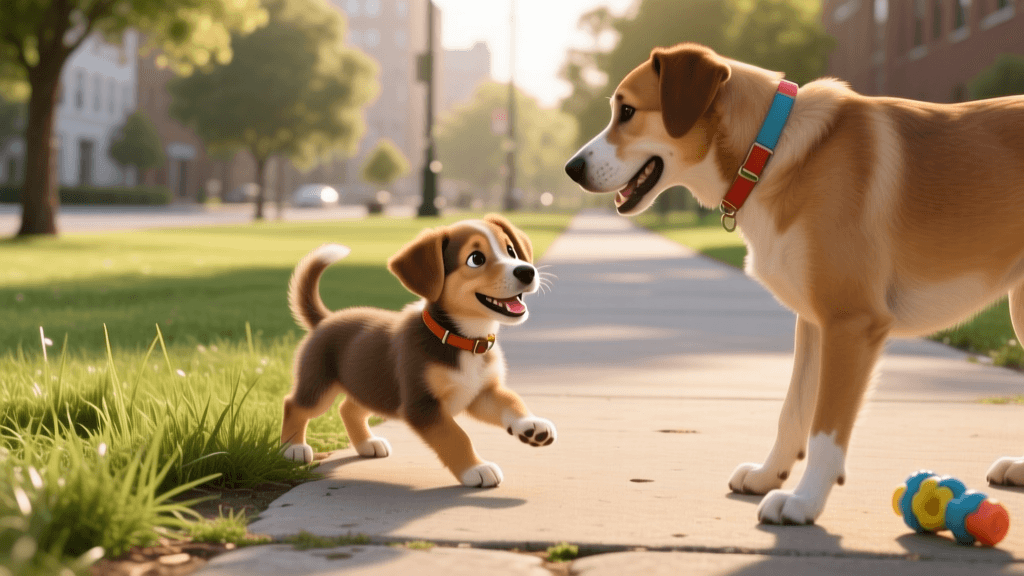
According to the American Veterinary Society of Animal Behavior (AVSAB), the primary and most important time for puppy socialization is the first three months of life. During this critical developmental window (typically between 3 and 14 weeks of age), puppies are uniquely wired to accept new experiences, people, animals, and environments without fear. If a puppy is not exposed to a wide variety of stimuli during this time, they are at a significantly higher risk of developing fear-based reactivity and aggression as adult dogs. Fortunately, building a confident, well-adjusted puppy does not require an expensive group class. With a little creativity and consistency, you can execute a comprehensive socialization plan entirely on a shoestring budget.
The True Cost of Puppy Socialization
Many new owners assume that proper socialization requires enrolling in a six-week group puppy kindergarten or hiring a private trainer. While these resources are wonderful, they are not strictly mandatory for raising a well-adjusted dog. Below is a comparison of traditional paid socialization methods versus a dedicated DIY approach.
| Socialization Method | Estimated Cost | Pros | Cons |
|---|---|---|---|
| Group Puppy Classes (6 weeks) | $150 - $300 | Structured environment, professional guidance, safe off-leash play. | Fixed schedules, high cost, limited one-on-one attention. |
| Private In-Home Trainer | $100 - $250 / hour | Customized curriculum, addresses specific household triggers. | Prohibitively expensive for most first-year budgets. |
| DIY Home & Field Socialization | $0 (Free) | Highly flexible, integrates into daily routines, builds real-world confidence. | Requires owner education, dedication, and proactive planning. |
By choosing the DIY route, you can save hundreds of dollars during your puppy's first year. The key is replacing financial investment with time, observation, and structured environmental exposure.
5 Free and Low-Cost Socialization Exercises
You do not need a professional training facility to expose your puppy to the sights, sounds, and textures of the real world. Here are five highly effective, budget-friendly exercises you can start today.
1. The "Watch the World" Game (Cost: $0)
One of the most common mistakes owners make is forcing their puppies into overwhelming situations, such as busy dog parks or crowded street festivals. True socialization is about observation and neutrality, not necessarily interaction. To play the "Watch the World" game, find a quiet bench at a local park, a spot outside a grocery store, or even your own front porch. Sit with your puppy at a distance of 15 to 20 feet from the foot traffic.
Keep a pouch of your puppy's daily kibble ration nearby. Every time your puppy looks at a passing stranger, a bicycle, or another dog and then turns back to you or remains calm, offer a piece of kibble and quiet praise. Limit these sessions to 10 or 15 minutes to prevent overstimulation. This exercise teaches your puppy that the world is interesting but not threatening, and that paying attention to you yields rewards.
2. DIY Texture and Obstacle Courses (Cost: $0)
Puppies need to learn how to navigate unstable, slippery, and unusual surfaces to build physical confidence and body awareness. Instead of buying expensive agility equipment, raid your recycling bin and household closets. Create a living room obstacle course using items like:
- Cookie sheets and aluminum foil: Lay them flat on the floor to create noisy, slippery surfaces.
- Bubble wrap: Tape a sheet down and let your puppy walk over the popping bubbles.
- Cardboard boxes: Open them flat to create tunnels, or place them on their sides for your puppy to investigate.
- Couch cushions and pillows: Arrange them on the floor to create an unstable, wobbly walking path.
Encourage your puppy to cross these surfaces using a high-value treat, such as tiny pieces of boiled chicken or plain hot dog. Never force or drag your puppy across a scary texture; let them explore at their own pace.
3. Sound Desensitization at Home (Cost: $0)
Fireworks, thunderstorms, vacuums, and sirens are common triggers for canine noise phobias. You can desensitize your puppy to these sounds for free using YouTube or Spotify. Search for "vacuum cleaner sound effects" or "distant thunderstorm audio."
Play the audio on your phone or computer at the lowest possible volume—so low that your puppy barely notices it. Feed them their dinner or play a fun game of tug while the sound plays in the background. Over the course of several weeks, gradually increase the volume by 5% to 10% increments, provided your puppy remains relaxed. If your puppy shows signs of stress (panting, hiding, tucked tail), immediately lower the volume. This systematic desensitization builds a positive emotional response to scary noises.
4. Safe Store Visits and Errands (Cost: $0)
Before your puppy has completed their full series of parvovirus vaccinations, you must be incredibly careful about where their paws touch the ground. The ASPCA's puppy care guidelines emphasize the severe risk of parvovirus in public dog areas. However, you can still socialize your puppy in public by carrying them.
Place your puppy in a secure sling, a specialized dog carrier backpack, or a shopping cart lined with a clean blanket. Visit pet-friendly hardware stores (like Home Depot or Lowe's), garden centers, or outdoor farmers markets. This allows your puppy to experience the sounds of dropping lumber, the smells of fertilizer, and the sights of people wearing hats and sunglasses, all while remaining safely elevated and protected from ground-borne pathogens.
5. The "Handling and Grooming" Game (Cost: $0)
Veterinary bills and professional grooming can become exponentially more expensive if your dog requires sedation or muzzling due to handling fear. Prevent this by practicing cooperative care at home. Spend five minutes every evening gently handling your puppy's paws, looking inside their ears, lifting their lips to examine their gums, and lightly touching their tail.
Pair every touch with a high-value reward. For example, touch one paw, give a treat. Look in one ear, give a treat. This builds a positive association with the type of handling they will experience at the vet clinic, saving you from the stress and cost of managing a fearful adult dog during medical exams.
Tracking Progress Without an App
Many pet owners spend money on premium training apps to track their puppy's milestones, but a simple notebook is just as effective. The American Kennel Club (AKC) recommends exposing puppies to a wide variety of stimuli, including different types of people (children, elderly individuals, people in uniforms), various surfaces, and household appliances.
Create a "Bingo Board" or a simple checklist in a notebook. Write down 50 unique experiences you want your puppy to have before they turn 16 weeks old. Examples include: "Hear a blender," "Meet a person with a beard," "Walk on wet grass," and "See an umbrella open." Check them off one by one. This ensures you are providing a well-rounded education without needing to purchase a structured curriculum.
When to Stretch the Budget for Professional Help
While DIY socialization is highly effective for building baseline confidence, it is crucial to recognize when your puppy needs professional intervention. If your puppy exhibits extreme fear responses—such as freezing, refusing to eat treats in public, aggressive lunging, or prolonged hiding—you should reallocate funds from your toy or treat budget to hire a Certified Professional Dog Trainer (CPDT-KA) or a veterinary behaviorist. Early intervention for severe fear or reactivity is an investment that will save you thousands of dollars in behavioral rehabilitation and potential liability costs later in your dog's life. For the vast majority of puppies, however, consistent, mindful, and free environmental exposure is all it takes to build a confident, happy companion.
jonas-cole
All our authors care for dogs every day — read more of their work on the authors page.