Budget-Friendly Puppy Socialization and Home Training
Discover budget-friendly puppy socialization and training tips. Learn how to raise a well-adjusted pup without spending a fortune on classes and gear.
The True Cost of the First Year
Welcoming a new puppy into your home is a joyous milestone, but the financial reality of the first year can quickly overwhelm new pet parents. Between initial veterinary bills, premium kibble, and an endless array of pet store gadgets, the costs add up rapidly. However, providing exceptional puppy care does not require an unlimited budget. By understanding your puppy's developmental milestones and focusing on resourceful, budget-friendly strategies, you can raise a well-adjusted, healthy, and happy dog without draining your savings account. This guide explores how to navigate the first year of puppy care—specifically focusing on socialization, teething, potty training, and early obedience—while keeping your finances firmly in the green.
The Critical Socialization Window (Weeks 3 to 14)
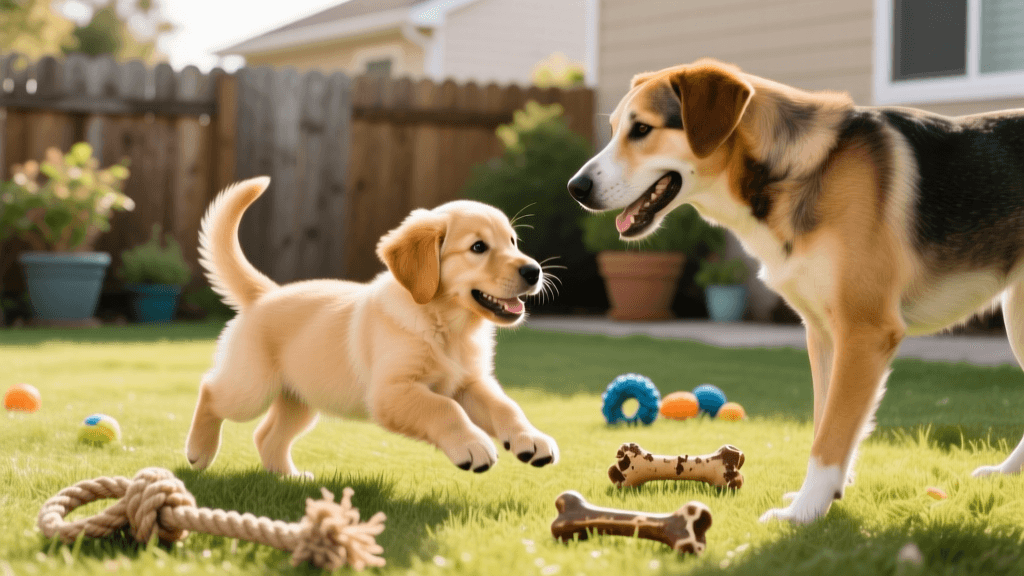
The most crucial developmental milestone in a puppy's early life is the socialization window, which typically peaks between 3 and 14 weeks of age. During this brief window, puppies are uniquely receptive to new experiences, sounds, surfaces, and people. According to the American Kennel Club (AKC), failing to properly socialize a puppy during this critical period can lead to long-term behavioral issues, including fear, anxiety, and reactivity. Many owners mistakenly believe that proper socialization requires expensive group puppy classes or specialized gear. In reality, the most effective socialization exercises are entirely free and rely heavily on your creativity, patience, and consistency.
Budget-Friendly Socialization Strategies
You do not need to spend hundreds of dollars on professional trainers to build a confident puppy. Here are three highly effective, low-cost methods to socialize your puppy during their critical developmental window.
- The "Puppy Watch" Game (Cost: $0): Grab a cheap travel mug, fill it with your puppy's daily kibble ration, and head to a local park bench or the parking lot of a busy grocery store. Sit with your puppy and reward them with a piece of kibble every time they calmly observe a novel stimulus—a passing bicycle, a person wearing a hat, or the sound of a distant siren. This costs nothing extra because you are using their pre-measured daily food allowance, preventing obesity while building positive associations with the outside world.
- DIY Sensory Bins (Cost: Under $10): Puppies need to experience different textures under their paws to build confidence and prevent future sensitivity issues. Instead of buying expensive sensory equipment, create a DIY texture bin. Use a shallow plastic storage tub (around $5 at a discount store) and fill it with safe, varied household items: crumpled newspaper, dry oatmeal, smooth river stones from your garden, and a fluffy towel. Encourage your puppy to step in and hunt for hidden treats. This mimics the expensive "texture boards" used in professional agility training for a fraction of the cost.
- Store Visits and Hardware Stores (Cost: $0): Many big-box hardware stores and garden centers are pet-friendly and offer a goldmine of socialization opportunities. The automatic sliding doors, echoing announcements, and varied flooring (concrete, tile, astroturf) provide excellent environmental enrichment. Always carry your puppy or use a cheap, DIY sling made from an old fleece blanket in areas where unvaccinated puppies are at risk of parvovirus, as advised by the ASPCA regarding early disease prevention and safe socialization practices.
Navigating Teething on a Budget (Months 3 to 6)
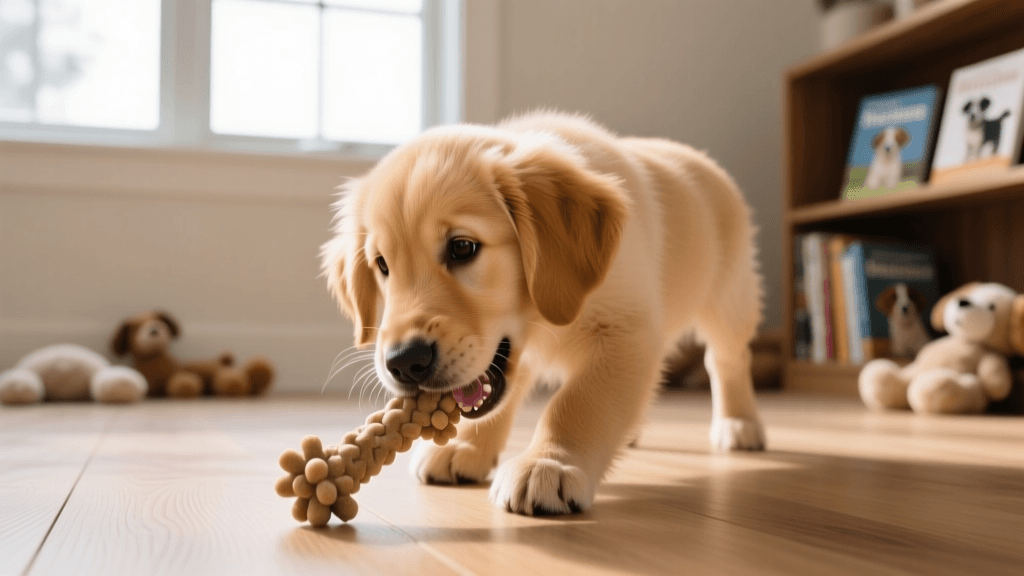
Around 12 to 16 weeks, your puppy will begin losing their baby teeth, leading to a relentless, often destructive need to chew. Commercial teething toys, flavored dental chews, and puzzle feeders can easily cost over $150 in the first few months. Instead, utilize your freezer and pantry to soothe their sore gums safely.
- The Frozen Washcloth Trick: Take a clean, cheap cotton washcloth, soak it in low-sodium chicken broth or plain water, twist it into a tight rope, and freeze it solid. The cold numbs their sore gums, while the fabric texture helps loosen stubborn baby teeth. Always supervise your puppy to ensure they do not swallow large pieces of the fabric.
- Carrot Sticks and Ice Cubes: Whole, peeled carrots make excellent, low-calorie teething sticks. They are cheap, rich in fiber, and clean the teeth naturally. Alternatively, freeze low-sodium beef broth in an ice cube tray for a messy but highly entertaining outdoor teething treat. Avoid cheap rawhide chews, as they pose severe choking and intestinal blockage risks, which will result in emergency vet bills that far exceed any initial savings.
Potty Training Without Breaking the Bank
Potty training is arguably the most stressful milestone of the first year. While you must invest in a high-quality enzymatic cleaner (which is non-negotiable to prevent repeat accidents, as standard household cleaners do not break down uric acid), you can save money on other supplies and methods.
- Newspaper vs. Pee Pads: If you live in an apartment and cannot immediately take your puppy outside, skip the expensive branded puppy pee pads. You can often get end-of-day unsold newspapers from local cafes or recycling centers for free. Alternatively, use cheap, bulk-bought adult incontinence pads from the pharmacy, which offer the exact same absorbency and leak-proof backing at half the "pet tax" price.
- The Umbilical Cord Method: To prevent indoor accidents, keep your puppy tethered to your waist using a cheap, lightweight nylon leash while you are home. This prevents them from sneaking off to carpeted rooms and teaches them to signal you when they need to go out. Consistency is free, and it is the most effective tool in your potty training arsenal.
Cost Comparison: DIY vs. Store-Bought Puppy Gear
When preparing for your puppy's arrival and first year, it is easy to fall into the trap of buying specialized gear. The table below illustrates how much you can save by repurposing household items and utilizing budget-friendly alternatives for early training and enrichment.
| Training / Enrichment Item | Store-Bought Cost | Budget DIY Cost | Estimated Savings |
|---|---|---|---|
| Sensory Texture Board | $80 - $150 | $5 (Plastic Tub + Household Items) | $145 |
| Snuffle Mat for Foraging | $30 - $50 | $2 (Rubber Sink Mat + Old T-Shirts) | $48 |
| Interactive Puzzle Toy | $25 - $40 | $0 (Muffin Tin + Tennis Balls) | $40 |
| Recall Training Long Line | $20 - $35 | $4 (15ft Paracord + Carabiner) | $31 |
| Puppy Pee Pads (100 ct) | $30 - $45 | $12 (Pharmacy Incontinence Pads) | $33 |
Affordable Mental Enrichment and Basic Commands
Physical exercise alone is not enough; puppies need mental stimulation to prevent destructive behaviors and burn off their boundless energy. The Humane Society of the United States highlights that mental enrichment tires a puppy out much faster than a long walk, which is vital for their developing joints.
- DIY Snuffle Mats: Instead of spending $40 on a commercial snuffle mat, take a cheap rubber sink mat with holes and weave strips of old, washed t-shirts or fleece through the gaps. Hide your puppy's kibble inside, forcing them to use their nose to forage. This taps into their natural scavenging instincts and provides incredible mental fatigue.
- Muffin Tin Puzzle: Place a few treats in the cups of a standard muffin tin, then cover each cup with a tennis ball. Your puppy must figure out how to remove the balls to access the reward. This builds problem-solving skills and confidence for less than $5.
- Recall Training with Paracord: A reliable recall is the most important command your puppy will learn. Professional long lines are expensive, but you can make your own by purchasing 15 feet of lightweight paracord and attaching a small carabiner to one end. This allows your puppy the freedom to explore and practice coming when called in open spaces without the risk of them bolting, all for the price of a cup of coffee.
Setting a Realistic First-Year Budget
Raising a puppy on a budget requires shifting your mindset from buying solutions to creating them. While you should never skimp on essential veterinary care, core vaccinations, or high-quality nutrition, the peripheral costs of puppy rearing are highly flexible. By leveraging free community spaces, repurposing household items, and utilizing your puppy's daily food rations for training instead of buying extra treats, you can provide a rich, developmentally appropriate environment. The first year of a puppy's life is fleeting, and the bond you build through patient, budget-friendly care will last a lifetime, proving that the best things in life—and dog ownership—truly are not about how much you spend, but how much time and love you invest.
jonas-cole
All our authors care for dogs every day — read more of their work on the authors page.