Best Dog Car Seats and Travel Harnesses for Road Trips
Discover the best dog car seats and crash-tested travel harnesses to keep your furry co-pilot safe, secure, and comfortable on every road trip.
The Hidden Dangers of Unrestrained Dogs in Vehicles
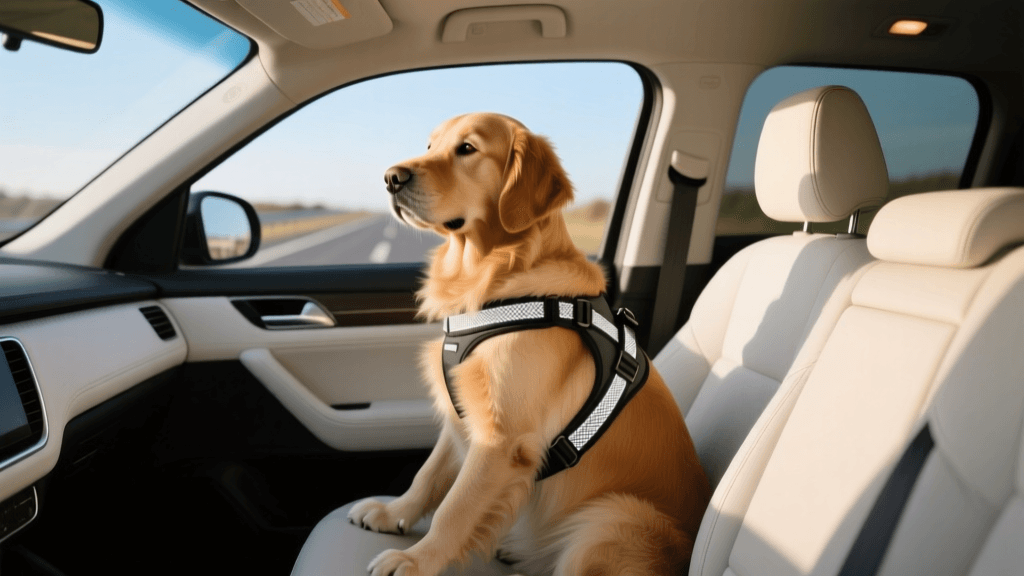
Many dog owners consider their pets to be beloved family members, yet a surprising number fail to secure them properly during car rides. According to the Center for Pet Safety (CPS), an unrestrained dog in a moving vehicle poses a severe risk not only to themselves but to every human passenger in the car. In the event of a sudden stop or collision at just 35 miles per hour, a 60-pound dog becomes a 2,700-pound projectile. This devastating physics equation can lead to catastrophic injuries or fatalities for both the canine and human occupants.
Furthermore, allowing your dog to roam freely in the cabin or sit on your lap is a major distraction. The American Automobile Association (AAA) has repeatedly highlighted that interacting with an unrestrained pet while driving significantly increases the risk of an accident. Beyond the crash risks, an unrestrained dog can easily jump out of an open window, escape through an open door at a rest stop, or suffer severe injuries if a front-seat airbag deploys. To mitigate these risks, investing in a high-quality, crash-tested travel harness or a secure dog car seat is an absolute necessity for any responsible pet parent.
Harnesses vs. Car Seats vs. Carriers: Which is Right for Your Dog?
Choosing the right restraint system depends heavily on your dog's size, temperament, and the type of vehicle you drive. Here is a breakdown of the primary options available on the market:
- Crash-Tested Harnesses: Ideal for medium to large dogs. These connect directly to your vehicle's seatbelt system or LATCH anchors, keeping the dog securely in place while allowing them to sit or lie down comfortably.
- Elevated Car Seats (Boosters): Best suited for small dogs and cats (usually under 20 pounds). These bucket-style seats elevate the pet so they can look out the window, reducing motion sickness while keeping them tethered safely inside the basket.
- Crash-Tested Carriers: Excellent for small to medium dogs. These hard-sided or heavily reinforced soft-sided carriers are strapped into the back seat and provide a den-like, secure environment that many anxious dogs prefer.
Top-Rated Dog Car Seats and Harnesses: Our Buyer’s Guide
After analyzing market data, safety certifications, and user reviews, we have selected the top products that excel in safety, durability, and comfort for your daily routines and travel adventures.
1. Sleepypod Clickit Sport Harness
The Sleepypod Clickit Sport is widely regarded as the gold standard for canine automotive safety. It is one of the few harnesses that has rigorously passed the dynamic crash tests conducted by the Center for Pet Safety. Featuring a three-point design that secures the dog's torso, it distributes crash forces evenly across the chest and shoulders, mimicking the safety engineering of human seatbelts. The padded vest is comfortable for long trips, and the reflective strips add visibility during nighttime potty breaks. While it is on the pricier side, the peace of mind it offers is invaluable.
2. Kurgo Tru-Fit Smart Harness
For owners seeking a budget-friendly yet reliable option, the Kurgo Tru-Fit Smart Harness is a fantastic choice. Kurgo conducted their own crash testing (using FMVSS 213 standards) for dogs up to 75 pounds. It features a broad, padded chest plate that reduces stress on the trachea and a no-pull front leash ring, making it a great dual-purpose harness for both car rides and daily walks. The included 10-inch seatbelt tether loops through the vehicle's existing seatbelt, making installation an absolute breeze.
3. Sleepypod Mobile Pet Bed
If you have a small dog (under 15 pounds) or a feline companion, the Sleepypod Mobile Pet Bed is a revolutionary product. It functions as a cozy bed at home, a comfortable carrier for the vet, and a CPS-certified crash-tested car seat. The PPRS (Pet Passenger Restraint System) ensures the carrier stays firmly anchored to the vehicle seat. The mesh dome provides excellent ventilation and visibility, while the plush interior keeps your pet cozy. It is a premium investment, but its multi-functional design justifies the cost.
4. K&H Pet Products Bucket Booster
Small dogs often suffer from motion sickness because they cannot see out the window to orient their vestibular system. The K&H Bucket Booster solves this by elevating your small dog to window level. It features two adjustable safety leashes to secure your pet's harness to the seat, preventing them from jumping out. The plush, quilted interior is removable and machine washable, making it easy to clean up after muddy adventures. Note that this is a comfort and containment product rather than a dynamically crash-tested safety device, so it is best for low-speed, local driving.
Product Comparison Chart
| Product Name | Type | Weight Limit | CPS Certified | Best For |
|---|---|---|---|---|
| Sleepypod Clickit Sport | Harness | Up to 90 lbs | Yes | Maximum Safety (Medium/Large Dogs) |
| Kurgo Tru-Fit Smart | Harness | Up to 75 lbs | No (Brand Tested) | Budget-Friendly Dual Use |
| Sleepypod Mobile Bed | Carrier/Seat | Up to 15 lbs | Yes | Small Dogs & Multi-Function Use |
| K&H Bucket Booster | Elevated Seat | Up to 25 lbs | No | Small Dogs with Motion Sickness |
Where Should Your Dog Sit in the Car?
The back seat is universally recognized as the safest place for your canine companion. The front passenger seat is incredibly dangerous due to the presence of airbags. Airbags are designed to protect adult humans and deploy with explosive force that can be fatal to a dog, even if they are secured in a harness or carrier. If you drive a pickup truck with only a single row of seats, you must disable the passenger airbag before placing your dog in the front. Additionally, avoid letting your dog ride in the bed of a pickup truck or the open cargo area of an SUV. The Humane Society of the United States strongly advises against unrestrained travel in open vehicle beds due to the risks of debris strikes, sudden ejections, and extreme weather exposure. If you must use the cargo area of an SUV, ensure you are using a heavily reinforced, crash-tested aluminum crate that is properly strapped down using vehicle-rated tie-down straps, rather than a standard wire or plastic kennel.
How to Properly Measure Your Dog for a Travel Harness
A safety harness is only effective if it fits correctly. A harness that is too loose will fail to restrain your dog during a sudden stop, while one that is too tight can restrict breathing and cause chafing. Follow these steps to ensure a perfect fit:
- Measure the Neck: Use a soft measuring tape to measure the thickest part of your dog's neck, right at the base where it meets the shoulders.
- Measure the Chest: Measure the widest part of your dog's ribcage, usually just behind the front legs. Ensure you can slip two fingers comfortably between the tape and your dog's body.
- Check the Weight: Most crash-tested harnesses have strict weight limits for their dynamic testing. Always weigh your dog and ensure they fall within the manufacturer's specified range.
- The Fit Test: Once the harness is on, perform the two-finger test. You should be able to slide two fingers flat under any strap. If you can fit your whole hand, it is too loose.
Tips for Acclimating Anxious Dogs to Car Travel
Even the safest car seat will not help if your dog is too terrified to get inside the vehicle. According to the American Kennel Club (AKC), car anxiety is a common issue that can be overcome with patience and positive reinforcement. Here is a step-by-step desensitization protocol:
- Stage 1: The Parked Car. Start with the engine off. Toss high-value treats (like boiled chicken or freeze-dried liver) into the back seat or the car carrier. Let your dog enter, eat, and exit freely without closing the door.
- Stage 2: Meals in the Car. Feed your dog their regular meals inside the parked car for several days to build a strong positive association.
- Stage 3: Short, Fun Trips. Once your dog is comfortable resting in the secured harness or seat, turn the engine on and just sit in the driveway. Next, take a two-minute drive to a highly rewarding destination, like a park or a drive-thru for a pup cup. Avoid making the vet clinic the only destination for car rides.
- Stage 4: Calming Aids. For severely anxious dogs, consult your veterinarian about using canine pheromone sprays (like Adaptil), calming chews containing L-theanine, or prescription anti-anxiety medication for long road trips.
The Humane Society also recommends taking frequent breaks every two to three hours on long road trips to allow your dog to hydrate, relieve themselves, and stretch their legs, which significantly reduces travel-induced stress and physical stiffness.
Final Thoughts on Canine Road Trip Safety
Sharing your life with a dog means taking responsibility for their safety in every environment, including the family vehicle. Whether you opt for the rigorous crash protection of the Sleepypod Clickit Sport, the budget-friendly versatility of the Kurgo Tru-Fit, or the elevated comfort of the K&H Bucket Booster, the most important step is making the commitment to restrain your pet. By investing in the right travel gear and taking the time to properly acclimate your dog to car rides, you ensure that every road trip you take together is as safe as it is memorable.
robin-maitland
All our authors care for dogs every day — read more of their work on the authors page.