Budget-Friendly Dog Enrichment: Understanding Canine Psychology
Discover how to fulfill your dog's psychological need for mental enrichment on a budget with DIY puzzles, scent games, and free training tips.
The Psychology of Canine Enrichment
When we think of dog care, we often picture premium kibble, orthopedic beds, and expensive veterinary bills. However, one of the most critical aspects of canine welfare—mental enrichment—is frequently misunderstood as a luxury that requires a hefty budget. In reality, understanding your dog's psychological needs and fulfilling them is practically free if you know how to tap into their natural instincts.
Dogs are not merely pets; they are working animals with centuries of bred-in instincts. When a dog chews your favorite shoes, digs up the garden, or barks incessantly at the window, they are rarely acting out of spite. According to the American Kennel Club (AKC), these behaviors are often symptoms of boredom and a lack of mental stimulation. A dog's brain is wired to solve problems, forage for food, and patrol territories. When we serve their meals in a bowl and restrict their environment, we strip them of their natural cognitive workouts.
The good news? You do not need to spend hundreds of dollars on automated ball launchers or electronic puzzle toys to keep your dog's brain healthy. By understanding the 'why' behind your dog's behavior, you can create highly effective, budget-friendly enrichment routines using items you already have at home.
Budget-Friendly DIY Enrichment Games
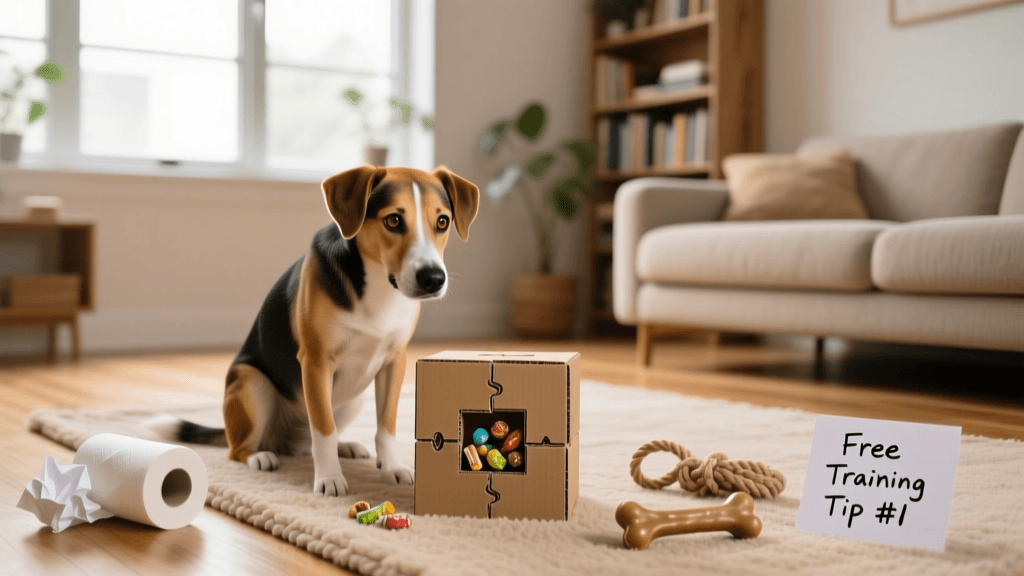
Commercial puzzle toys can easily cost between $20 and $50 each, and many dogs figure them out in a matter of days, rendering them useless. DIY alternatives not only save money but also allow you to rotate and customize the difficulty to match your dog's cognitive level.
1. The Muffin Tin Puzzle
Cost: $0 (using existing kitchen items)
Psychological Benefit: Foraging and problem-solving.
Take a standard 12-cup muffin tin and place a few pieces of high-value kibble or dog-safe treats in the bottom of several cups. Next, cover every cup with a tennis ball or a crumpled-up pair of clean socks. Your dog must use their nose and paws to remove the obstacles to access the food. To increase the difficulty, only put treats in three or four cups, forcing the dog to discriminate between empty and full cups using their olfactory senses.
2. Upcycled Fleece Snuffle Mat
Cost: $3 - $5
Psychological Benefit: Olfactory stimulation and stress reduction.
Sniffing lowers a dog's heart rate and releases dopamine. Commercial snuffle mats cost upwards of $40. You can make one by purchasing a cheap rubber sink mat from a dollar store and cutting up old fleece blankets or thrifted sweatshirts into 6-inch strips. Tie the strips securely through the holes of the mat until it resembles a shaggy rug. Sprinkle your dog's daily kibble allowance into the mat, forcing them to 'hunt' for their meal. This mimics the natural foraging behavior of wild canids and can take a dog 20 minutes to complete, compared to the 30 seconds it takes to eat from a bowl.
3. Scent Trails and 'Find It' Games
Cost: $0
Psychological Benefit: Scent tracking and confidence building.
You can turn your backyard or a local park into a scent work arena. Have your dog sit and stay (or have a family member hold them). Drag a smelly treat, like a piece of dried liver or a hot dog, through the grass, creating a zig-zag trail, and leave it at the end. Give the release cue 'Find it!' This taps into the primal tracking instincts of scent hounds and builds immense confidence in shy or anxious dogs as they successfully locate their reward.
Comparing Commercial vs. DIY Enrichment Costs
Understanding the financial impact of canine enrichment helps highlight why a psychology-based, DIY approach is superior for budget-conscious owners.
| Enrichment Type | Commercial Option & Cost | DIY Option & Cost | Psychological Benefit |
|---|---|---|---|
| Food Puzzles | Plastic Kong Wobbler ($15 - $25) | Muffin Tin & Tennis Balls ($0) | Problem-solving, frustration tolerance |
| Foraging | Store-bought Snuffle Mat ($35 - $60) | Fleece Strips & Sink Mat ($5) | Olfactory stimulation, dopamine release |
| Chewing | Premium Nylon Chew Toys ($20) | Frozen Carrots or Broth-soaked Ropes ($2) | Jaw tension relief, endorphin release |
| Agility/Exercise | Backyard Agility Kit ($100+) | Nature Walks & Park Benches ($0) | Proprioception, environmental confidence |
Tailoring Enrichment to Breed-Specific Instincts
To truly understand your dog, you must look at their genetic blueprint. A border collie and a basset hound require entirely different types of mental stimulation. Catering to these instincts costs nothing but a bit of creativity.
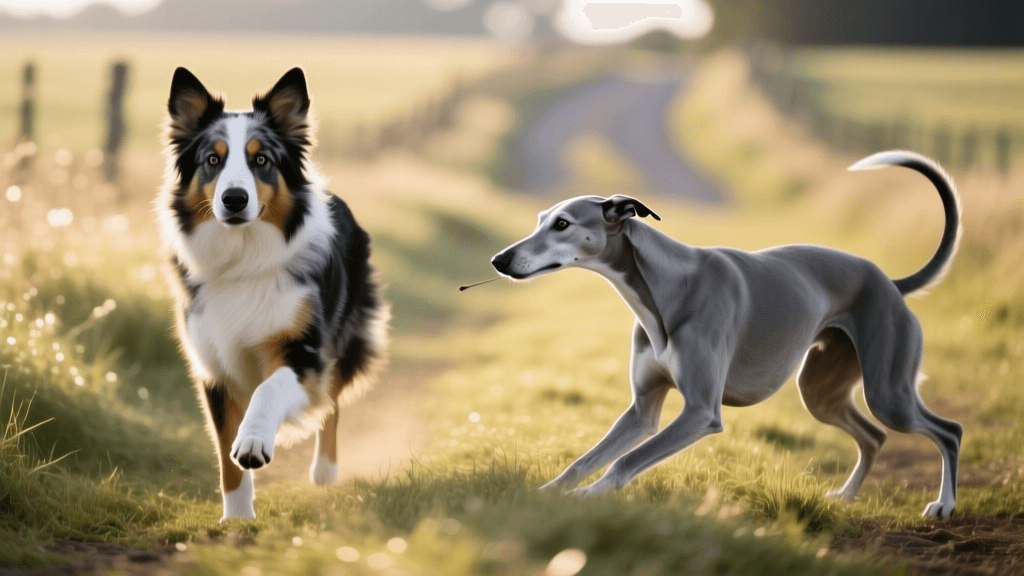
- Herding Breeds (Collies, Shepherds): These dogs are wired to control movement. If they don't have sheep, they will herd your children or cars. Satisfy this instinct for free by playing 'Treasure Hunt' with moving toys, or teaching them to weave through your legs while you walk. The mental focus required to track your movements tires them out faster than a game of fetch.
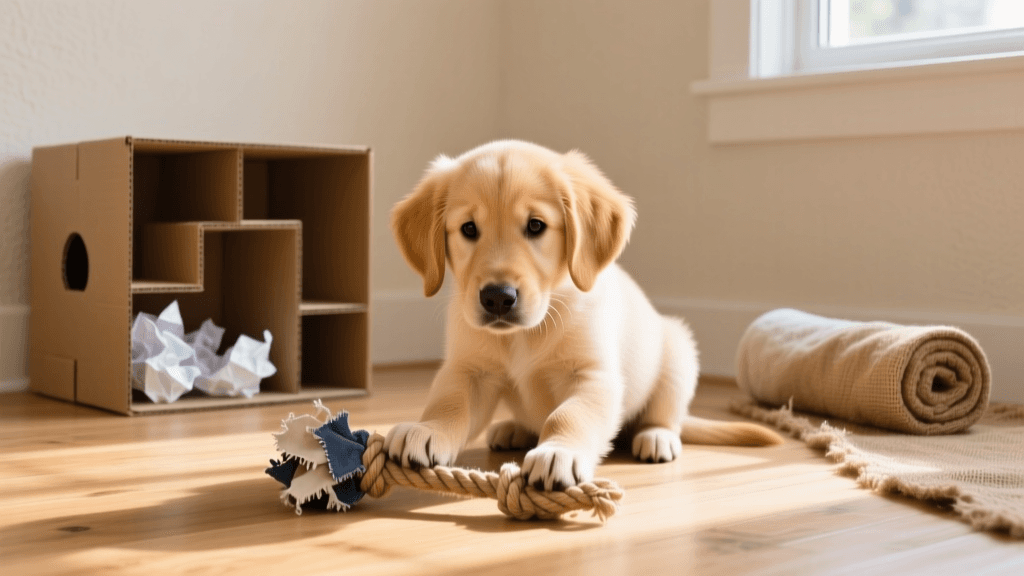
- Terriers (Jack Russells, Rat Terriers): Bred to hunt and kill vermin, terriers need to dig, tear, and shake. Create a designated 'dig box' in the yard using a cheap plastic kiddie pool filled with dirt or sand. Bury old toys or treats for them to excavate. For tearing, save your cardboard delivery boxes, tape them shut with a few treats inside, and let your terrier destroy the box to get the prize.
- Scent Hounds (Beagles, Coonhounds): Their world is experienced through their nose. The Fear Free Pets organization emphasizes that sniffing is a naturally calming activity for dogs. Take them on 'sniffaris'—walks where the dog chooses the route and pace, and is allowed to sniff every tree and bush for as long as they want.
The Power of Decompression Walks
Many owners believe that a brisk, heel-oriented, two-mile walk is the pinnacle of dog care. While physical exercise is important, it does not fulfill a dog's psychological need to process their environment. In fact, forcing a highly stimulated dog to march in a heel can increase their cortisol (stress) levels.
Enter the 'Decompression Walk.' This is a free, highly effective behavioral tool. Take your dog to a quiet area on a long line (a 15-foot rope leash costs about $10 to make from hardware store paracord, or you can use a standard leash dropped in a safe, fenced area). Allow the dog to wander, sniff, roll in the grass, and simply exist without commands or expectations. The Humane Society of the United States notes that allowing dogs to engage in natural, unstructured behaviors is crucial for preventing anxiety and destructive habits. Just 20 minutes of unstructured sniffing and exploring can leave a dog more mentally fatigued and relaxed than an hour of rigid physical exercise.
Capturing Calmness: The Free Training Protocol
Finally, understanding your dog means recognizing that 'doing nothing' is a learned skill. Many dogs suffer from hyper-arousal because they are only interacted with when they are active. You can train your dog to be calm and settled without spending a dime on professional trainers.
Keep a small cup of your dog's daily kibble on your desk or counter. Throughout the day, whenever you notice your dog voluntarily lying down, chewing a bone quietly, or resting on their mat, calmly walk over and drop a piece of kibble between their paws. Do not speak or excite them. This protocol, known as 'Capturing Calmness,' teaches the dog that settling down is a highly rewarding behavior. Over time, you will see your dog actively choosing to relax, creating a peaceful household environment for free.
Conclusion
Budget-friendly dog care is not about depriving your pet; it is about engaging with their psychology on a deeper level. By swapping expensive, passive toys for interactive, instinct-driven DIY games and decompression walks, you provide superior mental enrichment. Understanding your dog's brain is the most valuable tool in your pet care arsenal, and it is entirely free.
beth-carrasco
All our authors care for dogs every day — read more of their work on the authors page.