Affordable Dog Dental Care: Budget Tips for Healthy Teeth
Discover budget-friendly dog dental care tips to prevent costly periodontal disease. Learn DIY brushing routines, affordable chews, and vet alternatives.
The Hidden Costs of Canine Dental Disease
When we think about our dogs' health, we often focus on diet, exercise, and vaccinations. However, oral health is one of the most overlooked aspects of canine wellbeing. By the time a dog reaches three years of age, the majority will show some signs of periodontal disease. Left untreated, this condition doesn't just cause bad breath and tooth loss; it can lead to systemic infections affecting the heart, liver, and kidneys. For budget-conscious pet owners, the financial implications of neglecting dental care are staggering. A professional veterinary dental cleaning under general anesthesia can easily cost between $400 and $1,200, and if tooth extractions or oral surgeries are required, that bill can skyrocket to over $2,000. Fortunately, maintaining your dog's oral hygiene doesn't have to break the bank. With a strategic, budget-friendly approach to daily care, you can prevent periodontal disease and save thousands of dollars in veterinary bills over your dog's lifetime.
The True Cost of Canine Dental Disease
According to the American Veterinary Medical Association (AVMA), periodontal disease is the most common clinical condition occurring in adult dogs and cats. The bacteria from infected gums can enter the bloodstream, potentially causing severe damage to major organs. The Cornell University College of Veterinary Medicine emphasizes that preventive care is vastly superior—and more affordable—than treating advanced oral infections. Let us break down the financial reality of reactive versus preventive dental care. A single professional cleaning with pre-anesthetic bloodwork, IV fluids, and dental X-rays averages $600. Over a ten-year lifespan, a dog might need three to four of these cleanings, totaling $1,800 to $2,400. In contrast, a comprehensive home-care routine costs less than $100 per year.
Building a Budget-Friendly Daily Dental Routine
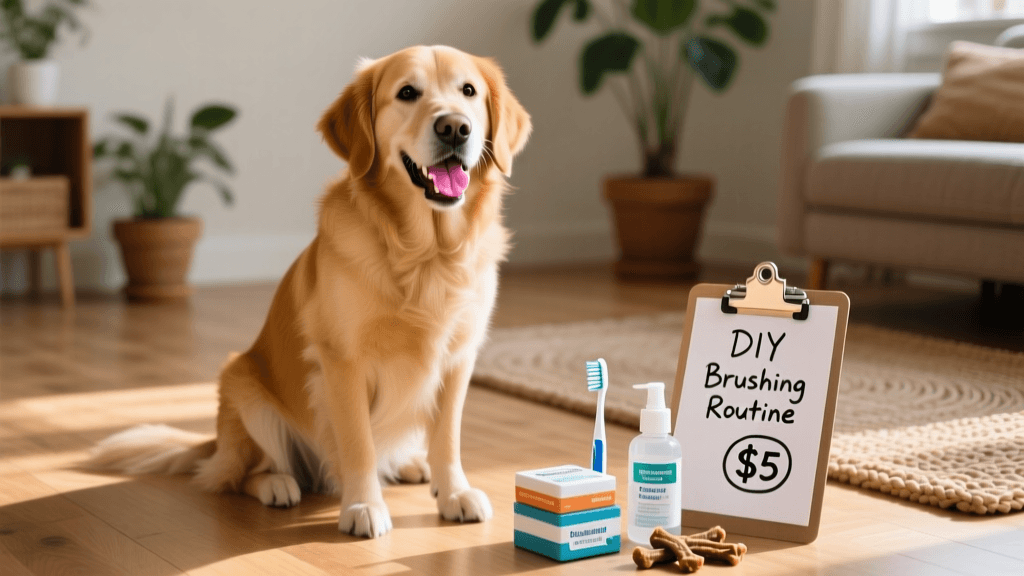
The cornerstone of affordable dog dental care is daily brushing. While it may seem daunting, it is the most effective and economical way to remove plaque before it hardens into tartar. You do not need expensive, battery-operated gadgets. A standard dual-headed canine toothbrush or a simple silicone finger brush costs between $4 and $8 and will last for months.
Choosing the Right Enzymatic Toothpaste
Never use human toothpaste, as ingredients like xylitol and fluoride are highly toxic to dogs. Instead, invest in a high-quality enzymatic dog toothpaste. The Virbac C.E.T. Enzymatic Toothpaste is widely recommended by veterinarians and typically costs around $12 for a tube that lasts several months. The dual-enzyme system actively breaks down plaque even if you miss a few spots while brushing. Poultry or beef flavors make the experience more palatable for your dog, turning a chore into a treat.
The 30-Second Desensitization Technique
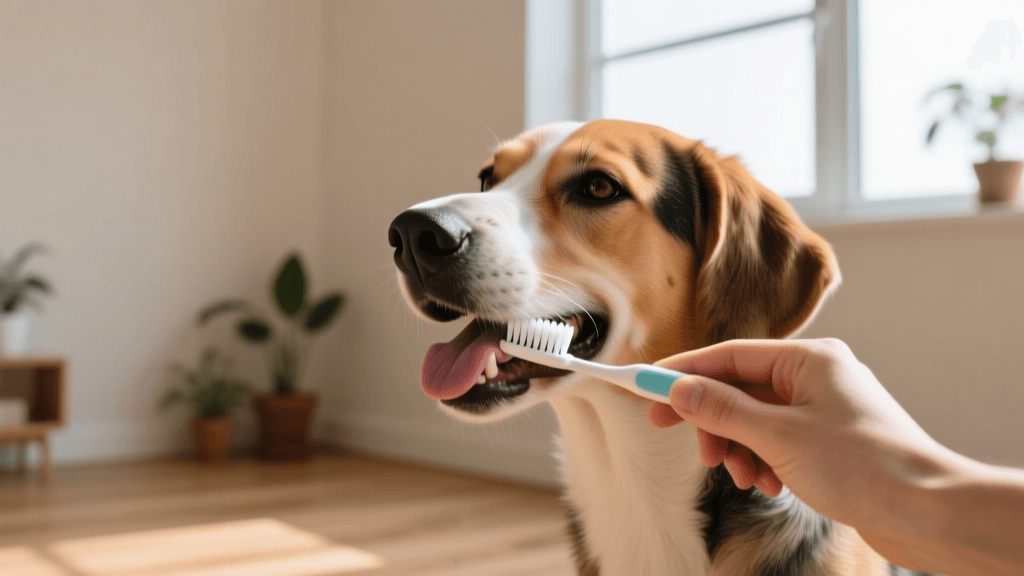
If your dog resists brushing, patience is key. Start by letting them lick the toothpaste off your finger for a few days. Next, gently rub your finger along their gumline. Once they are comfortable, introduce the toothbrush. Aim for just 30 seconds a day, focusing on the outer surfaces of the upper canine teeth and the large premolars, where plaque accumulates most rapidly.
Affordable Dental Chews: What Actually Works?
Not all dogs tolerate brushing, and even the best brushing routine can benefit from supplemental chewing. However, the pet aisle is flooded with expensive dental treats that offer little real-world benefit. To ensure you are not wasting money on ineffective products, look for the Veterinary Oral Health Council (VOHC) seal of acceptance. The VOHC evaluates products based on strict clinical trials to verify their ability to reduce plaque and tartar.
| Product Type | Average Monthly Cost | VOHC Accepted? | Pros | Cons |
|---|---|---|---|---|
| Virbac C.E.T. Chews | $25 - $30 | Yes | Highly effective, enzymatic coating | Higher calorie count |
| Whimzees Dental Chews | $15 - $20 | Yes | Low calorie, long-lasting, affordable | Can be too hard for senior dogs |
| Generic Rawhide | $10 - $15 | No | Very cheap, keeps dogs busy | Choking hazard, GI blockages, chemical processing |
| Bully Sticks | $30 - $45 | No | Natural, highly digestible | Expensive, strong odor, high fat |
Whimzees are an exceptional budget-friendly option. A large bag costs around $20 and provides a month's worth of daily dental chews for a medium-sized dog. Their unique shapes and firm texture encourage prolonged chewing, which mechanically scrapes plaque off the teeth. Avoid generic rawhide at all costs; the veterinary bills associated with gastrointestinal blockages or choking incidents will instantly wipe out any initial savings.
Water Additives and DIY Alternatives
For dogs that absolutely refuse brushing or chews, water additives offer a passive, budget-friendly line of defense. Products like TropiClean Fresh Breath or Oxyfresh Pet Dental Water Additive cost between $10 and $15 per bottle. You simply add a capful to your dog's daily water bowl. These additives alter the pH of the mouth or introduce mild antibacterial agents that slow tartar formation. While not a replacement for mechanical brushing, they are a highly cost-effective supplementary measure.
If you want to eliminate the cost of commercial additives entirely, you can make DIY dental-soothing ice cubes. Freeze low-sodium chicken broth mixed with a pinch of dog-safe fresh parsley (which naturally freshens breath) in an ice cube tray. The act of gnawing on the ice provides mild mechanical scraping, while the cold temperature soothes inflamed gums.
Spotting Trouble Early to Avoid Emergency Bills
The most expensive dental bills occur when owners wait until their dog is in visible pain. Dogs are stoic animals and will often continue eating even with fractured teeth or severe abscesses. The ASPCA recommends performing a quick monthly "sniff and lift" test at home. Lift your dog's lips and check for red, swollen, or bleeding gums, yellowish-brown tartar crust, and any unusually foul odor. If you notice your dog dropping food, chewing on only one side of their mouth, or pawing at their face, schedule a veterinary exam immediately. Catching a loose tooth or early gingivitis during a routine annual exam (which is already part of your standard vet budget) is vastly cheaper than emergency oral surgery.
Smart Financial Planning for Senior Dogs
As dogs age, their dental needs increase. If you do not have pet insurance that includes wellness add-ons, the best budget-friendly strategy is to create a dedicated "Pet Dental Fund." By setting aside just $20 a month in a high-yield savings account, you will accumulate $240 a year. This is more than enough to cover a routine professional cleaning and X-rays if your home-care routine needs a veterinary reset. This proactive financial habit ensures that when your senior dog inevitably needs professional dental care, the cost will not force you to make heartbreaking decisions based on your bank account balance.
Conclusion: Consistency is Your Best Investment
Budget-friendly dog dental care is not about finding a single magic product; it is about consistent, daily habits. By combining a $12 tube of enzymatic toothpaste, affordable VOHC-approved chews like Whimzees, and a $20 monthly savings plan, you can protect your dog from the silent pain of periodontal disease. Your dog's health—and your wallet—will thank you for the investment of just five minutes a day.
robin-maitland
All our authors care for dogs every day — read more of their work on the authors page.