Bringing Home a Second Dog: Multi-Pet Prep and Costs
Learn how to prepare your home, budget, and resident pets for a second dog. Discover essential gear, space requirements, and multi-pet introduction tips.

Assessing Your Space and Resources for a Multi-Dog Home
Deciding to bring a second dog into your family is an exciting milestone, but it fundamentally shifts the dynamics of your household. Transitioning from a single-pet to a multi-dog home requires more than just buying an extra bag of kibble; it demands a strategic evaluation of your physical space, daily schedule, and financial bandwidth. Before signing adoption papers or contacting a breeder, you must ensure your environment can comfortably support multiple canines without triggering territorial stress or resource guarding.
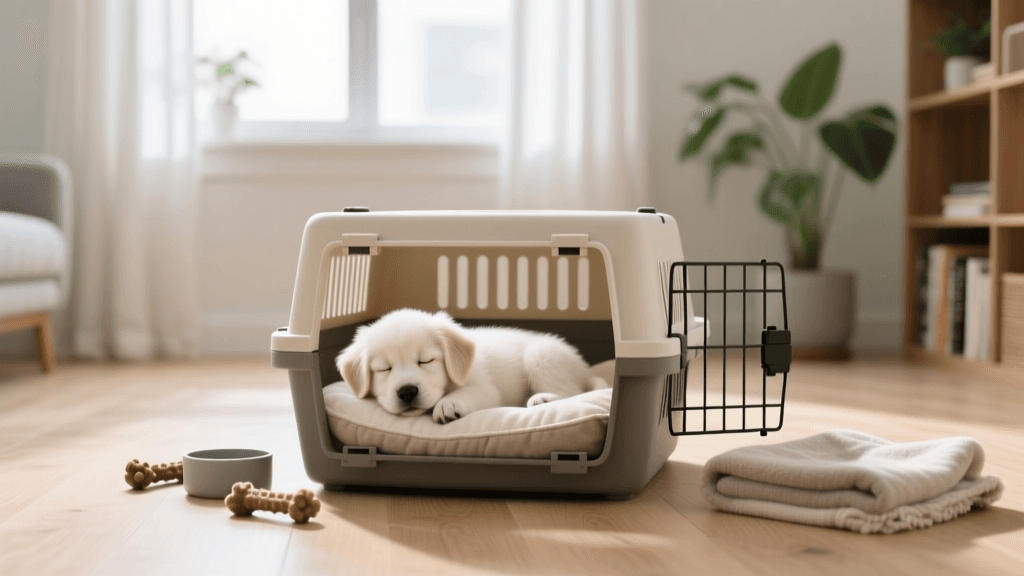
A general rule of thumb for indoor space is to allocate at least 30 to 50 square feet of unobstructed floor space per dog to allow for comfortable movement and separate resting zones. If you live in an apartment, vertical space and dedicated 'retreat zones' become critical. Each dog should have their own crate or designated mat where they can decompress. For large breeds (70+ lbs), a 42-inch L x 28-inch W x 30-inch H crate is the minimum standard to ensure they can stand and turn around without touching the walls. Placing these crates in separate corners of a room, rather than side-by-side, helps establish individual territories and reduces barrier frustration.
The Financial Reality: Budgeting for Dog Number Two
While some costs like rent or pet deposits remain static, the recurring expenses of dog ownership scale almost linearly. According to the ASPCA's official pet care cost breakdown, the annual cost of caring for a medium-to-large dog can easily exceed $1,000 to $1,500. When you introduce a second dog, you must prepare for a significant bump in your monthly outgoings, though savvy shopping and multi-pet insurance discounts can soften the blow.
| Expense Category | Single Dog (Annual) | Two Dogs (Annual) | Multi-Pet Strategy & Notes |
|---|---|---|---|
| Food & Treats | $400 - $600 | $750 - $1,100 | Buy 30lb+ bags and use airtight bins to save ~15%. |
| Routine Vet & Preventatives | $500 - $700 | $900 - $1,300 | Ask your vet about multi-pet wellness exam discounts. |
| Pet Insurance | $600 - $800 | $1,080 - $1,440 | Providers like Trupanion or Healthy Paws offer 5-10% multi-pet discounts. |
| Essential Gear & Toys | $150 - $250 | $300 - $450 | Duplicate essentials (crates, bowls, leashes) to prevent resource guarding. |
| Dog Walking / Daycare | $2,500 - $5,000 | $4,000 - $8,000 | Multi-dog household rates are usually 1.5x, not 2x, the single rate. |
Pro Tip: The American Veterinary Medical Association (AVMA) notes that unexpected emergency veterinary bills are a leading cause of financial strain for multi-pet households. Maintaining a dedicated emergency fund of at least $1,500 per dog is highly recommended before bringing your second pet home.
Essential Gear for Multi-Pet Households
Equipping your home with the right management tools is non-negotiable for a peaceful multi-dog or multi-pet (dog and cat) household. The goal is to manage the environment so the dogs can make good choices naturally.
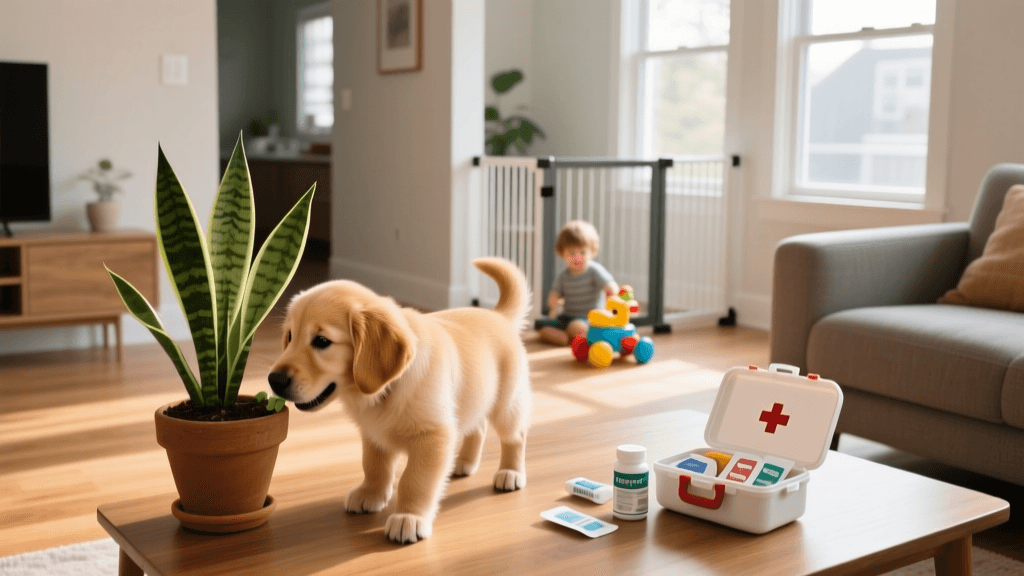
- Hardware-Mounted Baby Gates: Avoid pressure-mounted gates, which can be toppled by a motivated 60-pound dog. Invest in the Carlson Pet Products Extra Wide Walk-Thru Gate (hardware mounted version), which expands from 29 to 52 inches wide and stands 30 inches tall. Priced around $65, it features a small pet door, allowing cats to escape the dog's play zone without you needing to open the main gate.
- Microchip Feeders: If your dogs have different dietary needs, or if you have a cat whose food the dog keeps stealing, the SureFeed Microchip Pet Feeder Connect (approx. $170) is a game-changer. It reads your pet's implanted microchip or an RFID collar tag, opening the lid only for the designated animal. This eliminates food-bowl competition and ensures accurate calorie tracking for each pet.
- Hands-Free Leashes and Dual Couplers: For walking two dogs simultaneously, a dual-leash coupler (like the Wigzi Dual Doggie Pet Leash, ~$35) attaches to a single bungee lead, absorbing the shock if one dog lunges. Pair this with a waist-attached hands-free leash to keep your balance secure.
- Enrichment Toys for Separation: When crating dogs separately, provide high-value, long-lasting chews. The KONG Extreme (black rubber, sized appropriately for your dog's weight) stuffed with frozen peanut butter and kibble can buy you 45 minutes of quiet, separate decompression time.
Selecting the Right Breed or Rescue for Your Resident Pet
When choosing your second dog, your resident dog's temperament should dictate the selection. Opposites do not always attract in the canine world; rather, complementary energy levels and play styles are the keys to harmony. If your current dog is a senior or low-energy breed like a Basset Hound, bringing home a high-drive working breed like a Malinois or a bouncy adolescent Border Collie will cause immense stress for the older dog.
Furthermore, if you are a multi-species household (e.g., you have a cat or a rabbit), you must rigorously screen for prey drive. Hounds (like Greyhounds or Beagles) and Terriers (like Jack Russells) often possess high innate prey drives that can be triggered by small, fast-moving animals. Opt for breeds with historically lower prey drives, such as the Bichon Frise, Cavalier King Charles Spaniel, or Golden Retriever, and always request a formal 'cat test' or 'small animal test' from the rescue organization before finalizing an adoption.
The Scent-First Introduction Protocol
Never simply walk the new dog through the front door and drop the leash. The RSPCA's guidelines on introducing dogs emphasize that initial meetings should occur on neutral territory, followed by a gradual, scent-first integration inside the home. Follow this 7-day timeline to set your dogs up for success:
Days 1-2: Scent Swapping and Separation
Keep the dogs in completely separate zones of the house using your baby gates and closed doors. Swap their bedding, toys, and blankets twice a day. This allows both dogs to investigate the other's scent in a safe, non-confrontational environment. Feed them on opposite sides of a closed door so they associate the new scent with the positive experience of eating.
Days 3-4: Visual Access and Parallel Walking
Introduce a visual barrier. Use a gate with a solid barrier or drape a sheet over a wire gate, leaving a small gap. Allow them to see each other briefly while you reward calm behavior with high-value treats (like boiled chicken or freeze-dried liver). Begin taking them on 'parallel walks' in a neutral neighborhood. Walk them on the same side of the street but 10 feet apart, with a human handler for each dog. Do not allow them to greet face-to-face on the leash, as this can trigger barrier frustration and reactive lunging.
Days 5-7: Supervised On-Leash Greetings
Once both dogs are displaying relaxed body language (loose wiggly bodies, soft eyes, play bows) on walks, allow a brief, three-second sniff greeting in the yard or a neutral park. Keep leashes loose; tight leashes transmit tension and can trigger a defensive reaction. If either dog stiffens, calmly call them away and reward them for disengaging. Gradually increase the duration of their shared time, always supervising and separating them into their respective crates when you cannot give them 100% of your attention.
Managing Resource Guarding and Long-Term Harmony
Resource guarding is one of the most common behavioral issues in multi-dog homes. Dogs may guard food, high-value chews, favorite sleeping spots, or even their owners. To prevent this, establish a strict 'no free-feeding' policy. Pick up food bowls after 15 minutes. When handing out treats, ask both dogs for a 'sit' or 'down' and deliver the treats separately to avoid a competitive scramble.
Finally, remember to schedule one-on-one time with your resident dog. The arrival of a new pet can cause feelings of displacement. Dedicate 15 to 20 minutes daily to solo training, cuddling, or walking with your first dog to reinforce their secure place in the family hierarchy. With meticulous preparation, the right management gear, and a patient introduction protocol, your multi-dog home will quickly become a thriving, joyful pack.
anouk-beaumont
All our authors care for dogs every day — read more of their work on the authors page.