The Step-by-Step Crate Training Guide for New Puppies
Master crate training with our step-by-step guide for new puppies. Get first-day essentials, crate sizing tips, and a daily schedule for success.
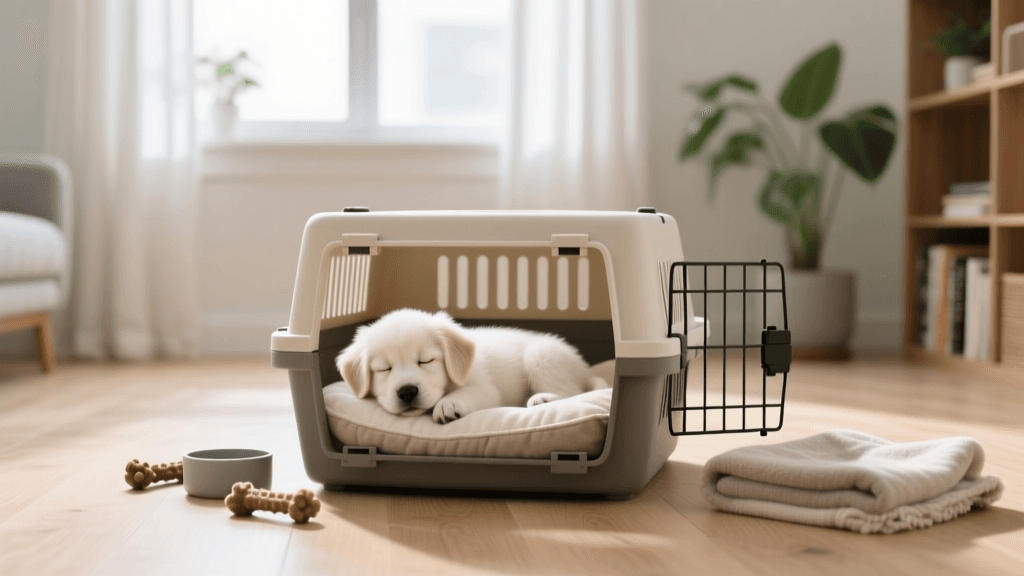
Bringing home a new puppy is one of life’s most exciting milestones, but it also comes with a steep learning curve. Among the myriad of first-day essentials and preparations, crate training stands out as a foundational pillar for your puppy's safety, behavioral development, and your peace of mind. A crate is not a cage; it is a personal sanctuary that taps into a dog’s natural denning instincts. When introduced correctly on day one, the crate becomes a tool for accelerated potty training, a safe zone during stressful moments, and a cozy bedroom for years to come. This comprehensive, step-by-step guide will walk you through everything you need to know to successfully crate train your new puppy during that critical first week.
Why Crate Training is a First-Day Essential
Many new dog owners hesitate to use a crate, worrying it might seem cruel or restrictive. However, veterinary behaviorists and professional trainers universally agree that crate training is one of the most humane and effective management tools available. According to the American Kennel Club (AKC), a properly sized crate aids significantly in housebreaking because dogs naturally avoid soiling their sleeping areas. Furthermore, a crate prevents destructive chewing and accidental ingestion of household toxins when you cannot directly supervise your new arrival. By making the crate a positive, rewarding space from the very first hour your puppy steps through your door, you set the stage for a well-adjusted, confident adult dog.
Step 1: Selecting the Right Crate and Gear
Before your puppy arrives, you must invest in the proper equipment. The most versatile option for a growing puppy is a wire crate with an adjustable divider panel. Wire crates offer excellent ventilation, visibility, and fold flat for easy transport. A highly recommended product is the MidWest Homes for Pets iCrate, which typically costs between $45 and $65 depending on the size. The adjustable divider is crucial because it allows you to expand the living space as your puppy grows, preventing them from using one end of an oversized crate as a bathroom.
Crate Sizing Guide by Expected Adult Weight
To ensure you buy the correct crate for your puppy's adult size, consult the table below. Remember to use the divider to restrict the space to only what the puppy currently needs.
| Expected Adult Weight | Recommended Crate Length | Typical Breed Examples |
|---|---|---|
| 15 - 25 lbs | 24 inches | Beagle, French Bulldog, Corgi |
| 26 - 40 lbs | 30 inches | Cocker Spaniel, Basset Hound |
| 41 - 70 lbs | 36 inches | Labrador Retriever, Boxer |
| 71 - 90 lbs | 42 inches | Golden Retriever, German Shepherd |
| 90+ lbs | 48 inches | Great Dane, Mastiff |
Step 2: Setting Up the Crate Environment
Location and comfort are paramount. Place the crate in a high-traffic family area, such as the living room or the corner of your bedroom, so the puppy does not feel isolated. Avoid placing it near drafty windows or direct heat sources. For bedding, avoid plush, easily shredded materials during the first few weeks, as teething puppies may ingest the stuffing, leading to costly veterinary emergencies. Instead, opt for a tightly woven, chew-resistant mat or a simple folded towel.
To ease the transition from their littermates, incorporate the SmartPetLove Snuggle Puppy Behavioral Aid (approximately $40). This product features a simulated heartbeat and a heat pack that mimics the warmth and pulse of a mother dog, drastically reducing first-night whining and anxiety. Additionally, keep a Kong Classic Puppy Toy ($12-$15) on hand. Stuffing the Kong with puppy-safe peanut butter or plain yogurt and freezing it provides a long-lasting, soothing distraction that builds a positive association with the crate.
Step 3: The First 48 Hours Step-by-Step Schedule
The first two days are all about building positive associations and establishing a routine. Never force your puppy into the crate; instead, use high-value treats to lure them inside. Toss treats into the back of the crate, praise them when they enter, and let them come right back out. Gradually increase the duration the door stays closed while you sit nearby.
Day One Sample Schedule
| Time | Activity | Crate Status |
|---|---|---|
| 8:00 AM | Potty break, followed by breakfast | Out of crate |
| 9:00 AM | Active play and training session | Out of crate |
| 10:00 AM | Potty break, then nap time | Inside crate (door closed) |
| 12:00 PM | Potty break, lunch, and short walk | Out of crate |
| 1:00 PM | Nap time with frozen Kong | Inside crate (door closed) |
| 3:00 PM | Potty break and socialization | Out of crate |
| 4:00 PM | Nap time | Inside crate (door closed) |
A general rule of thumb for crate duration is one hour per month of age, up to a maximum. A two-month-old puppy can physically hold their bladder for about two hours, but it is best to provide potty breaks every hour or two during active daytime hours to prevent accidents.
Step 4: Handling Whining and Nighttime Crying
Nighttime is often the most challenging phase of crate training. Your puppy is in a new environment, missing their siblings, and confined to a small space. It is entirely normal for them to whine or cry during the first few nights. The Humane Society of the United States emphasizes that owners must distinguish between demand whining and the need to eliminate. If your puppy has been in the crate for more than two hours and begins to cry, take them outside on a leash immediately. Keep the interaction boring and quiet. If they eliminate, offer calm praise and return them to the crate. If they do not eliminate, return them to the crate without play or fuss.
If you are certain they do not need to potty and are simply protesting the confinement, you must practice tough love. Giving in to demand whining by opening the crate door or offering treats teaches the puppy that crying is the key to freedom. Covering the crate with a breathable blanket can help reduce visual stimulation and create a cozier, den-like atmosphere that encourages sleep.
Common Mistakes to Avoid During the First Week
- Using the Crate as Punishment: Never send your puppy to the crate when you are angry or as a time-out for bad behavior. The crate must always be associated with safety and positive experiences.
- Leaving the Puppy in Too Long: Exceeding the puppy's physical bladder capacity will force them to soil their den, which destroys their natural instinct to keep their sleeping area clean and severely sets back potty training.
- Making a Big Deal About Departures and Arrivals: When you leave the room or return, keep your energy calm and neutral. Overly emotional goodbyes and hellos can trigger separation anxiety.
- Skipping the Exercise Phase: A tired puppy is a quiet puppy. Always ensure your puppy has had adequate physical exercise and mental enrichment before asking them to settle down for a long crate nap.
Expert Insights for Long-Term Success
Crate training is a marathon, not a sprint. While the first week is about establishing the baseline, it may take several weeks for your puppy to be completely comfortable being left alone in the crate for extended periods. Consistency is your greatest asset. Stick to a rigid feeding and potty schedule, as this regulates their digestive system and makes their bathroom habits highly predictable.
The ultimate goal of crate training is not to keep your dog confined forever, but to provide them with a lifelong coping mechanism and a safe space they voluntarily seek out when they need rest or feel overwhelmed by household chaos.
By investing time, patience, and the right tools during those crucial first days, you are giving your new puppy the gift of security and setting the foundation for a harmonious life together in your home.
hannah-wickes
All our authors care for dogs every day — read more of their work on the authors page.