Breed Trainability: Top Dogs for First-Time Obedience Training
Discover the most trainable dog breeds for first-time owners. Compare obedience potential, socialization needs, and training costs for top picks.
The Science of Canine Trainability: Intelligence vs. Biddability
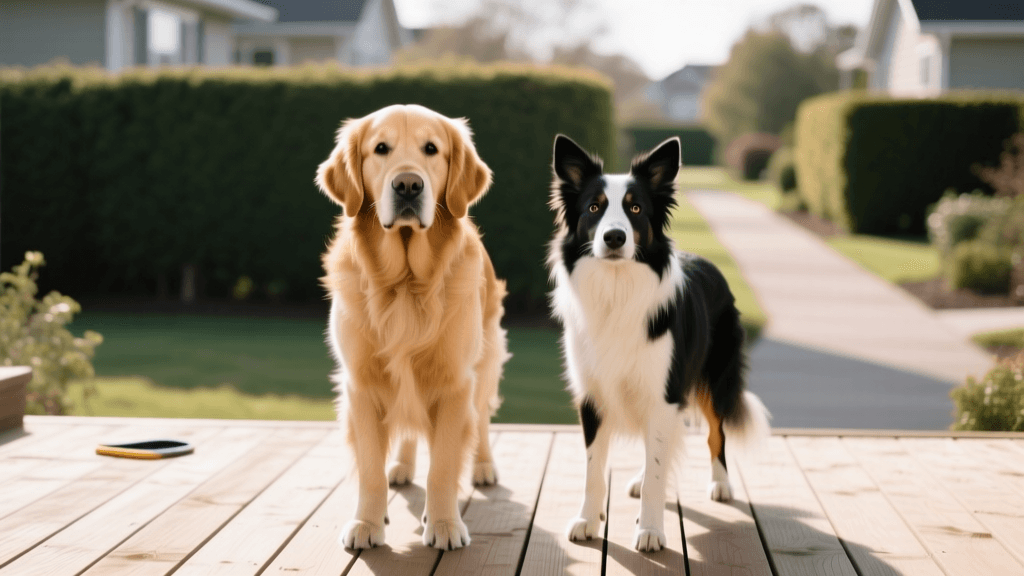
When selecting a dog for first-time obedience training, many novice owners mistakenly equate "intelligence" with "trainability." However, canine psychologists and behaviorists draw a distinct line between the two. A breed like the Siberian Husky is incredibly intelligent, capable of complex problem-solving, and possesses a strong independent streak. Yet, this same independence makes them notoriously difficult for a first-time trainer. The secret metric you should be looking for is biddability.
Biddability refers to a dog’s inherent desire to please its handler and work cooperatively. Highly biddable breeds are forgiving of novice training mistakes, maintain eye contact, and are highly motivated by praise and food rewards. According to the American Kennel Club (AKC), selecting a breed with a natural inclination toward cooperative work is the single most important factor in ensuring a harmonious household and a successful training journey.
Top 4 Most Trainable Breeds for Novice Owners
If you are stepping into the world of dog ownership and obedience conditioning for the first time, the following breeds offer the highest probability of success due to their genetic predisposition toward biddability, focus, and resilience.
1. The Golden Retriever
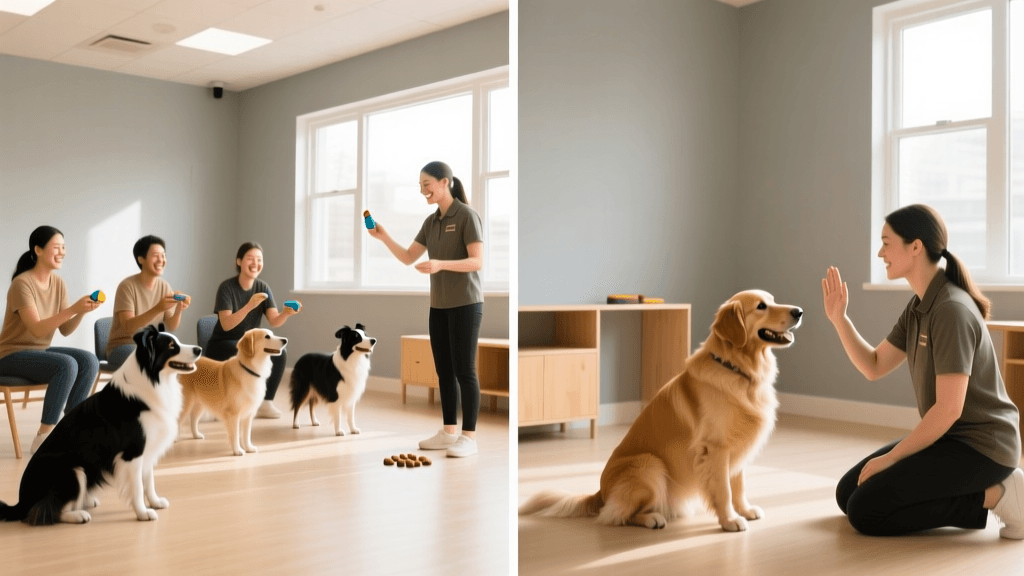
Golden Retrievers are the gold standard for novice trainers. Originally bred to work closely with hunters to retrieve waterfowl, they possess a "soft mouth" and an eagerness to please that translates seamlessly into obedience training. They excel in positive reinforcement environments and are highly food-motivated.
- Best Training Method: Clicker training and lure-reward shaping.
- Common Novice Challenge: Over-excitement and jumping. Teaching a solid "four-on-the-floor" rule early is essential.
- Estimated Group Class Cost: $150 - $250 for a 6-week foundational course.
2. The Standard and Miniature Poodle
Poodles are exceptionally bright and observant. Unlike some working breeds that require repetitive drilling, Poodles learn new commands rapidly—often within 5 to 10 repetitions. Their high cognitive function means they require mental stimulation just as much as physical exercise.
- Best Training Method: Trick training, agility foundations, and puzzle-toy conditioning.
- Common Novice Challenge: Boredom-induced destructive behaviors. If training sessions are too repetitive, they will disengage.
- Recommended Gear: Kong Classic ($15) stuffed with frozen peanut butter to reward post-training mental fatigue.
3. The Labrador Retriever
Labs are robust, enthusiastic, and deeply bonded to their families. Their high food drive makes them incredibly easy to condition using treat-based markers. However, their exuberance means that impulse control is the most critical skill a first-time owner must teach.
- Best Training Method: Capturing calmness and "Leave It" conditioning.
- Common Novice Challenge: Leash pulling due to sheer physical strength. Front-clip harnesses are mandatory for early loose-leash walking.
- Estimated Group Class Cost: $150 - $300, with a heavy emphasis on leash manners.
4. The Papillon
For those seeking a smaller companion, the Papillon shatters the myth of "small dog syndrome." These toy spaniels are essentially miniature working dogs trapped in a 5-to-10-pound body. They dominate canine agility and obedience trials and are highly attentive to their handler’s body language.
- Best Training Method: Target training and micro-shaping.
- Common Novice Challenge: Owners treating them like fragile babies rather than capable canines. Enforce the same obedience rules you would for a larger dog.
- Recommended Gear: Extra-small (XXS) Y-shaped harness ($20) to protect their delicate trachea during leash training.
Breed Comparison Chart: Training Metrics
The table below provides a structured comparison of these top breeds, focusing on metrics that directly impact a first-time owner’s training experience.
| Breed | Biddability Score (1-10) | Avg. Focus Span (Novice) | Primary Motivation | Socialization Difficulty |
|---|---|---|---|---|
| Golden Retriever | 9.5 | 15-20 mins | Food & Praise | Low |
| Poodle (Std/Mini) | 8.5 | 20-25 mins | Mental Stimulation & Play | Moderate |
| Labrador Retriever | 9.0 | 10-15 mins | Food & Retrieving | Low |
| Papillon | 8.0 | 10-15 mins | Play & Praise | Moderate |
Essential Training Gear and Budgeting
Success in obedience conditioning relies heavily on having the right tools. First-time owners should budget approximately $75 to $120 for foundational training gear before the puppy or adult dog arrives.
"The right equipment does not train the dog; it merely facilitates clear communication between the handler and the animal while ensuring physical safety."
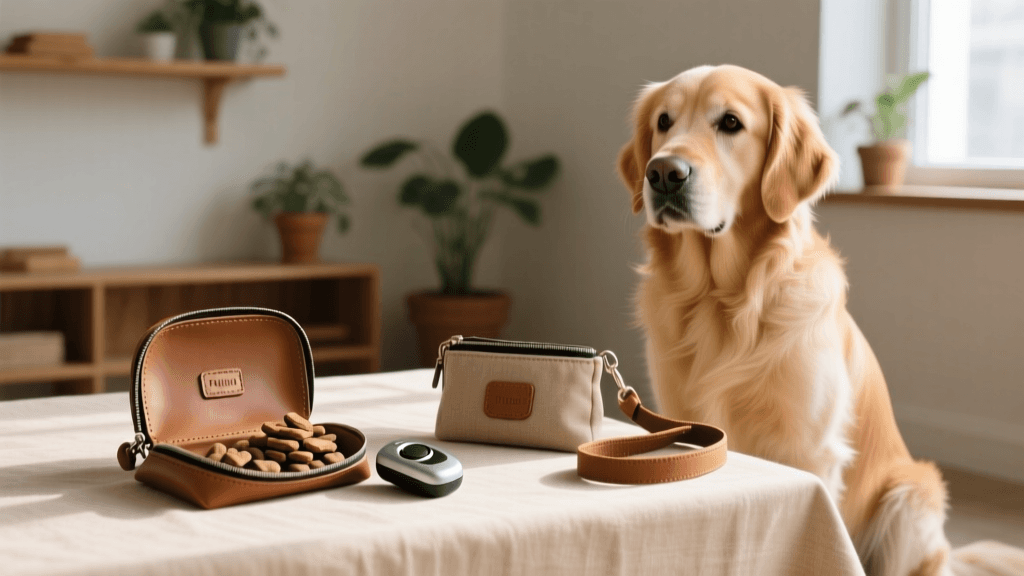
- High-Value Treats: Zuke’s Mini Naturals (approx. $8 per 16oz bag). At only 3 calories per treat, they allow for high-frequency repetition without causing gastrointestinal upset or obesity.
- Marker Tool: PetSafe Clik-R Clicker with finger band ($5). The distinct auditory marker bridges the gap between the desired behavior and the food reward.
- Long Line: 15-foot Biothane long line ($35). Biothane is waterproof, easy to sanitize, and won’t tangle or burn your hands during recall training in open spaces.
- Treat Pouch: PetSafe Treat Pouch ($15). Look for one with a magnetic closure for silent, rapid access to rewards during shaping sessions.
The Critical Socialization Window
Obedience training is only half the battle; behavioral conditioning and socialization are equally vital. The American Veterinary Society of Animal Behavior (AVSAB) emphasizes that the primary and most critical window for puppy socialization is between 3 and 14 weeks of age. During this period, a puppy’s brain is uniquely primed to accept novel stimuli—strange surfaces, loud noises, unfamiliar dogs, and diverse human demographics—without triggering a fear response.
For highly biddable breeds like the Golden Retriever or Labrador, failing to socialize during this window can result in a dog that is perfectly obedient in the living room but completely unable to focus or respond to cues in a park setting. First-time owners must safely expose their puppies to at least 10 new environments, 5 new surfaces, and 20 new people before their 16-week vaccination protocols are fully complete, utilizing controlled environments and puppy-specific classes to mitigate disease risks.
Structuring Your Daily Training Routine
Novice trainers often make the mistake of scheduling grueling, hour-long training sessions on weekends. Dogs, particularly young ones, learn best through micro-sessions. The ASPCA recommends keeping training sessions short, positive, and frequent.
The 5-Minute Rule
- Session Length: Limit active obedience training to 5 minutes per session.
- Frequency: Conduct 3 sessions per day (Morning, Afternoon, Evening).
- Ending on a High Note: Always conclude the session with a command the dog knows flawlessly (like "Sit"), reward heavily, and initiate play. This ensures the dog associates training with ultimate success and joy.
- Environmental Proofing: Once a behavior like "Down" is mastered in the kitchen, you must retrain it in the hallway, the backyard, and the front porch. Dogs do not generalize behaviors naturally; they associate the cue with the specific location where they learned it.
Conclusion: Setting Realistic Expectations
Selecting a highly biddable breed like a Golden Retriever, Poodle, Labrador, or Papillon gives first-time owners a significant advantage. These dogs are genetically wired to look to humans for guidance, making the mechanics of clicker training and positive reinforcement highly effective. However, no dog is born pre-trained. Even the most biddable breed requires consistent boundaries, structured socialization during critical developmental windows, and a financial investment in proper gear and professional guidance when needed. By understanding the intersection of breed genetics and behavioral conditioning, novice owners can lay the groundwork for a lifelong, cooperative partnership with their canine companion.
anouk-beaumont
All our authors care for dogs every day — read more of their work on the authors page.