Border Collie vs Australian Shepherd: Herding Behavior Guide
Discover the behavioral differences between Border Collies and Australian Shepherds. Learn about herding instincts, training needs, and ideal homes.
The Psychology of the Herding Dog
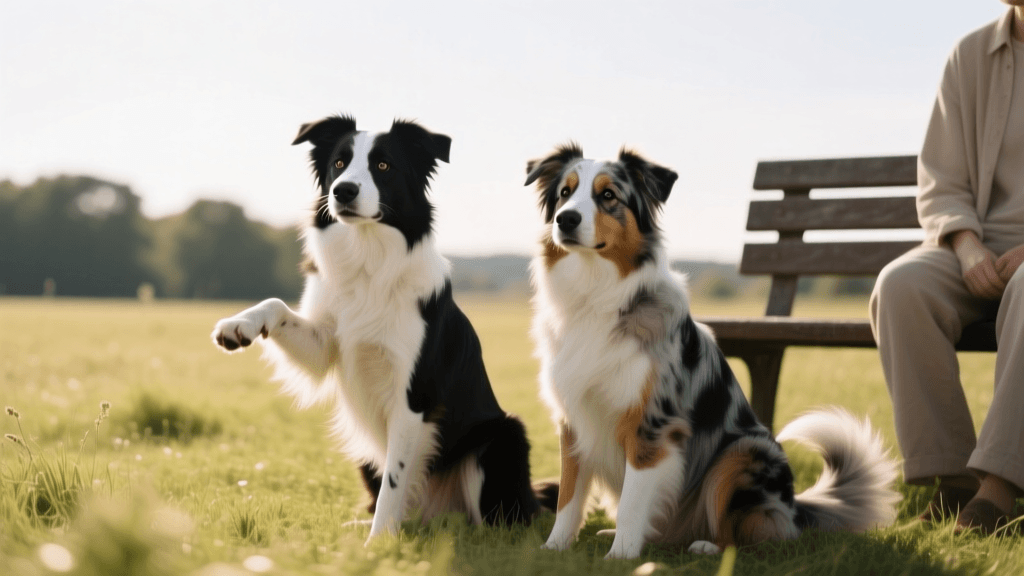
When prospective dog owners consider bringing a highly intelligent, active dog into their home, two breeds frequently top the list: the Border Collie and the Australian Shepherd. While both are celebrated for their striking appearances, athletic prowess, and trainability, they are fundamentally driven by hardwired herding instincts. Understanding the psychology behind these behaviors is not just a matter of trivia; it is the key to successful breed selection and long-term behavioral harmony. Herding is a modified form of predatory behavior. Through generations of selective breeding, the 'kill' sequence of the wolf has been truncated, leaving behind the intense 'eye', 'stalk', and 'chase' drives. However, how these drives manifest differs significantly between breeds, impacting everything from their daily exercise needs to their interactions with children and other pets.
The Border Collie: The Master of the 'Eye'
The Border Collie is widely regarded as the most intelligent of all domestic dog breeds, but this intelligence is inextricably linked to its specific working style. Originating in the hilly border country between Scotland and England, these dogs were bred to gather sheep across vast, rugged terrains. According to the American Kennel Club's Border Collie breed profile, their signature working style relies heavily on 'the eye'—an intense, hypnotic stare used to control the movement of livestock from a distance. Psychologically, this means the Border Collie is highly visually stimulated. They are acutely sensitive to movement, which can translate into problematic behaviors in a suburban home if not properly managed. A Border Collie left without a 'job' may begin to herd moving cars, shadows, or even running children, utilizing their intense stare and subsequent stalking behaviors to control their environment.
Because they are 'gatherers' by nature, Border Collies tend to be more sensitive and soft-mouthed. They respond poorly to harsh corrections and require positive, reward-based training methods. Their psychological need for mental stimulation is arguably higher than their need for pure physical exercise. A Border Collie that runs five miles but does not engage in problem-solving will still end the day feeling unfulfilled and anxious.
The Australian Shepherd: The Versatile Driver
Despite their name, Australian Shepherds were actually developed in the American West to work cattle and sheep on large ranches. Their working style is distinctly different from the Border Collie. As noted in the AKC's Australian Shepherd guide, Aussies are 'drivers' rather than 'gatherers'. They work closer to the livestock, using their physical presence, barking, and occasional nipping at the heels to push animals forward. Psychologically, this makes the Australian Shepherd a more assertive, physical, and sometimes more vocal dog than the Border Collie.
Aussies possess a stronger protective instinct and are naturally more reserved with strangers. This guarding tendency, combined with their herding drive, means they require extensive early socialization to prevent reactivity. While the Border Collie might stare down a skateboarder, the Australian Shepherd is more likely to bark, lunge, and attempt to physically intercept the moving object. However, Australian Shepherds are often described as having a slightly better 'off-switch' indoors compared to the perpetually 'on' Border Collie, provided their daily physical and mental quotas have been met.
Behavioral Comparison Chart
To aid in your breed selection process, the following table breaks down the core behavioral and psychological differences between these two phenomenal herding breeds.
| Trait | Border Collie | Australian Shepherd |
|---|---|---|
| Primary Herding Style | Gathering (Using 'The Eye') | Driving (Using physical presence/nipping) |
| Sensitivity to Movement | Extremely High (Visual triggers) | High (Physical and auditory triggers) |
| Vocalization | Generally quiet, barks only when working | Moderate to High, uses bark to control |
| Stranger Sociability | Aloof but generally polite | Reserved, requires active socialization |
| Physicality in Play | Softer, relies on agility and speed | More robust, prone to body-slamming |
| Indoor 'Off-Switch' | Difficult to achieve, always 'on' | Moderate, can relax if adequately exercised |
Managing Hardwired Instincts at Home
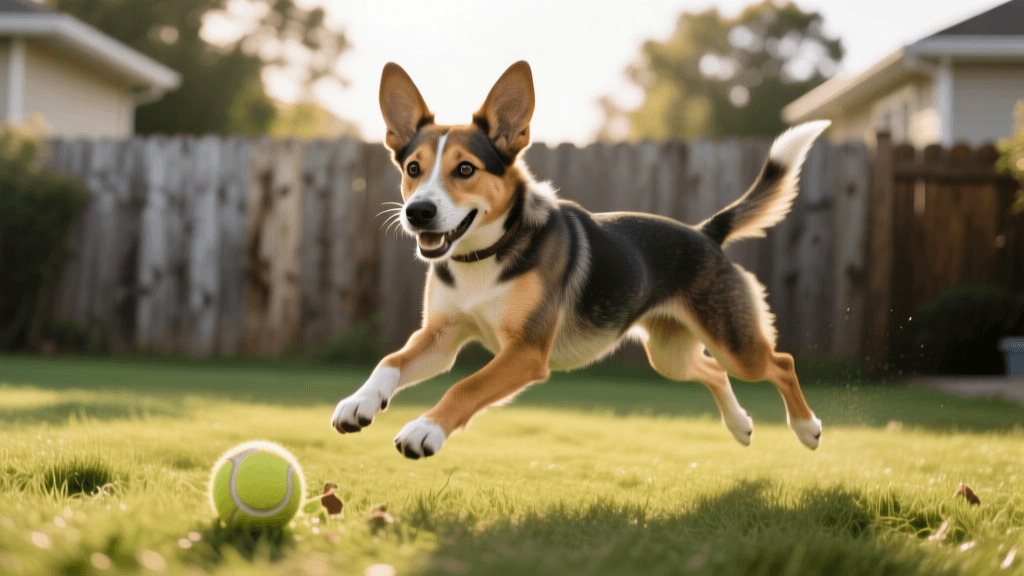
Bringing a herding breed into a non-farming environment requires proactive management of their natural instincts. The most common behavioral issue reported by owners of both breeds is nipping at the heels of running children or bicycles. According to the ASPCA's resources on nipping and mouthing, herding dogs do not nip out of aggression; they are simply executing a genetic program. Punishing this behavior often leads to confusion and anxiety. Instead, owners must redirect the drive.
Redirecting the Nip and Chase
To satisfy the chase instinct safely, invest in a flirt pole (a long wand with a lure attached). A high-quality flirt pole costs between $25 and $45 and allows you to simulate the erratic movements of prey or livestock while keeping the dog's teeth away from human skin. Establish strict rules: the dog must 'sit' and 'wait' before the lure moves, and must 'drop' it on command. This turns a chaotic instinct into a structured game of impulse control.
Fulfilling the Need for a 'Job'
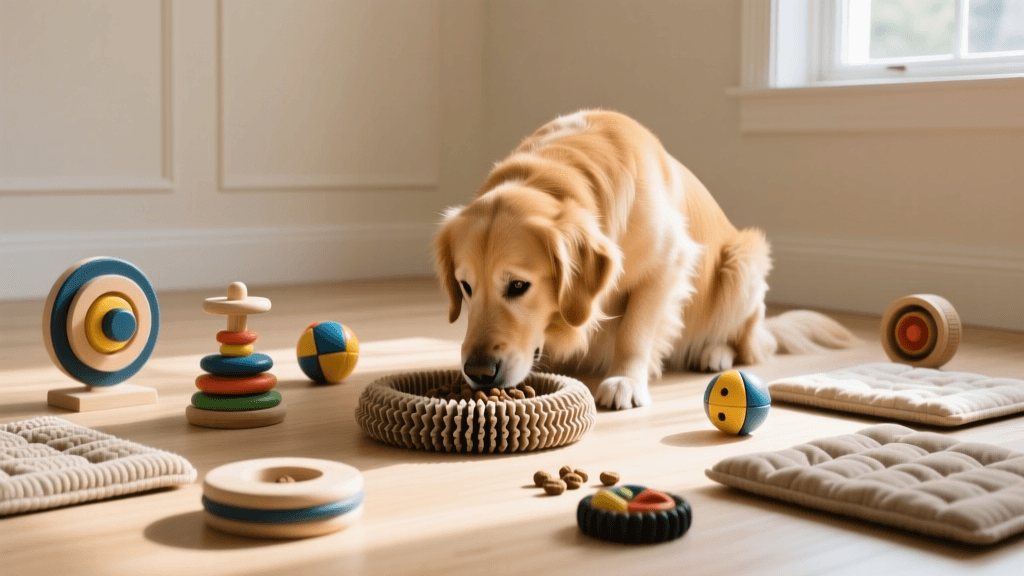
Both breeds require a psychological 'job'. This does not mean you need to buy sheep. A job can be anything that requires the dog to think and problem-solve. Scent work, agility training, or advanced trick training are excellent outlets. Budget for weekly training classes (typically $150 to $250 for a six-week course) and invest in puzzle toys like the Kong Wobbler or Outward Hound Nina Ottosson puzzles ($15 to $30 each) to feed their meals, turning daily nutrition into a mental exercise.
Time and Financial Commitments
Selecting a herding breed is a significant lifestyle commitment. You must realistically evaluate your daily schedule. Both breeds require a minimum of 90 to 120 minutes of vigorous physical exercise daily, coupled with at least 45 minutes of dedicated mental training. If you work 10-hour days and prefer relaxing on the couch on weekends, neither breed is a suitable match, and you will likely face severe behavioral fallout, including destructive chewing, obsessive-compulsive behaviors (like shadow chasing), and chronic barking.
Financially, acquiring a well-bred puppy from a reputable breeder who conducts OFA (Orthopedic Foundation for Animals) health testing for hips, elbows, and genetic eye conditions will cost between $1,500 and $2,500. Furthermore, because these dogs are prone to joint issues from high-impact activities, budgeting for joint supplements (like Dasuquin, roughly $40 a month) and pet insurance is highly recommended.
Puppy Selection and Breeder Evaluation
When selecting a puppy from a litter, avoid the extremes. The puppy that is frantically climbing the pen and biting the hardest is likely to have overwhelming drives that will be difficult to manage in a pet home. Conversely, the puppy hiding in the back corner may lack the confidence required for a busy household. Look for the 'middle-of-the-road' puppy—one that approaches you with curiosity, engages in play, but is also capable of settling down and falling asleep after a few minutes of interaction. Reputable breeders will often use Volhard Puppy Aptitude Testing or similar temperament evaluations to help match the right puppy to your specific lifestyle.
'A herding dog doesn't just want to be part of your life; they want to manage it. Your job as an owner is to give them a constructive way to do so.'
Making the Right Selection for Your Lifestyle
Ultimately, the choice between a Border Collie and an Australian Shepherd comes down to your specific environment and personality. If you are a quiet, highly dedicated handler who enjoys intricate training, agility sports, and values a deeply sensitive, visually-driven bond, the Border Collie is an unparalleled companion. If you lead a more robust, active outdoor lifestyle, enjoy hiking, want a dog with a slightly more protective and resilient nature, and don't mind a bit more vocalization, the Australian Shepherd will be your perfect partner. By respecting their psychological roots and committing to their unique needs, you will unlock the profound loyalty and brilliance that make herding breeds so extraordinary.
marcus-aldridge
All our authors care for dogs every day — read more of their work on the authors page.