Border Collie Training: Mastering Herding Impulse Control
Learn how to train a Border Collie's herding instincts with actionable impulse control techniques, tools, and routines for a calmer companion.
Understanding the Border Collie's Herding Drive
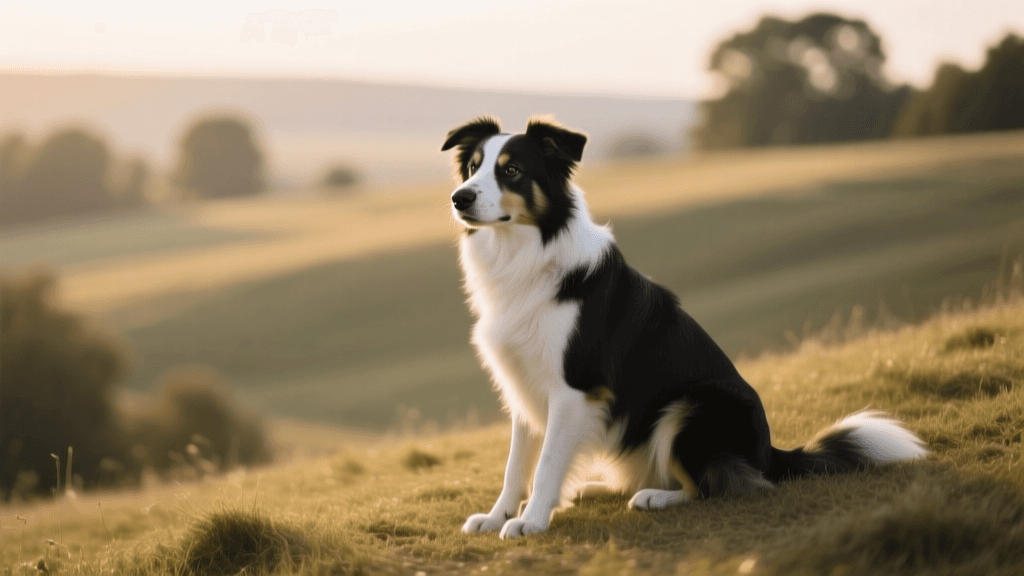
Border Collies are universally recognized as the Einsteins of the canine world. Bred for centuries in the hilly border country between Scotland and England, these dogs were selectively developed to control sheep with intense focus, agility, and an almost telepathic connection to their handlers. However, in a modern suburban or urban environment, this deeply ingrained genetic wiring can become a significant behavioral challenge. According to the American Kennel Club (AKC), the Border Collie's hallmark is its intense 'eye'—a predatory stare used to intimidate and control livestock. When a Border Collie does not have sheep to herd, they will often substitute them with moving cars, bicycles, children, or even household cats.
To successfully train a Border Collie, owners must understand that herding is a modified predatory sequence. The natural canine predatory motor pattern consists of: Eye → Stalk → Chase → Grab-Bite → Kill-Bite → Dissect → Consume. In Border Collies, breeders have artificially hypertrophied the 'Eye' and 'Stalk' phases while heavily suppressing the 'Grab-Bite' and subsequent phases. This creates a dog that is genetically compelled to stalk and chase moving objects but lacks the natural bite inhibition associated with prey consumption. Understanding this neurobiological reality is the first step toward effective impulse control training.
The Dangers of Unmanaged Herding Instincts
When a Border Collie's herding drive is left unmanaged, the dog enters a chronic state of hyper-arousal. Every time they stalk a passing jogger or lunge at a delivery truck, their brain releases a massive dose of dopamine. This creates a self-reinforcing behavioral loop. The dog is not being 'bad'; they are experiencing a neurochemical high from performing the breed-specific behavior they were designed to do. Over time, this can lead to severe anxiety, reactivity, and even predatory drift, where the dog escalates from chasing to nipping at the heels or ankles of running children. Physical exhaustion alone will not cure this; a Border Collie can run for 20 miles and still possess the mental stamina to stalk a skateboarder on the way home. True behavioral modification requires cognitive conditioning and impulse control protocols.
Essential Tools for Border Collie Impulse Training
Before initiating a formal training protocol, you must equip yourself with the right tools to manage the dog's environment and ensure safety. Budget approximately $150 to $200 for these foundational items:
- Mendota Products 50ft Biothane Long Line ($45 - $60): Biothane is waterproof, durable, and won't tangle easily in brush. A 50-foot line is crucial for proofing recall and 'leave it' commands at a distance without losing control of the dog if they bolt after a squirrel.
- Kuranda Chewproof Dog Bed ($130 - $160): Border Collies are notorious for destroying soft beds when frustrated. A raised, aluminum-framed Kuranda bed serves as an indestructible 'Place' command mat, providing a defined boundary for settling exercises.
- Ruffwear Treat Trader Pouch ($40): High-rate reinforcement requires rapid treat delivery. This pouch features a magnetic closure and an internal silicone liner, allowing you to dispense high-value treats (like boiled chicken or Zuke's Mini Naturals) in under one second.
- Outward Hound Nina Ottosson Dog Brick Puzzle ($28): Mental enrichment tools are mandatory for this breed. Puzzle toys force the dog to use problem-solving skills, which tires the brain far more effectively than physical exercise.
Step-by-Step Protocol: The 'Place' Command
The 'Place' command is the ultimate antidote to the Border Collie's need to control moving environments. It teaches the dog an 'off-switch' by assigning them a specific job: staying on a raised cot. According to behavioral guidelines supported by VCA Animal Hospitals, positive reinforcement of incompatible behaviors (like lying on a mat instead of chasing a cat) is the most humane and effective way to modify instinctual behaviors.
Phase 1: Shaping the Interaction (Days 1-3)
Place the Kuranda bed in a low-distraction room. Hold a high-value treat near your dog's nose and lure them onto the bed. The moment all four paws are on the cot, mark the behavior with a clicker or a verbal 'Yes!' and deliver the treat. Repeat this 20 times per session, conducting three sessions a day. Do not ask for a 'down' yet; simply reward the act of stepping onto the mat.
Phase 2: Adding Duration and the 'Down' (Days 4-10)
Once the dog eagerly jumps onto the bed, begin luring them into a 'down' position. Mark and reward. Next, delay the reward. Count 'one Mississippi, two Mississippi' before marking and treating. Gradually increase the duration by 2-second increments. If the dog breaks the 'down', calmly reset them without a treat and start the timer over. The goal is a continuous 60-second down on the mat by the end of week two.
Phase 3: Adding Environmental Distractions (Weeks 3-4)
Attach the 50-foot Biothane long line to your dog's harness. Move to the backyard or a quiet park. Give the 'Place' command. Once the dog is in a down, introduce mild distractions—toss a tennis ball 10 feet away, or have a family member walk across the yard at a slow pace. The moment the dog's eyes lock onto the distraction (the 'Eye' phase), call their name to break the stare, mark, and reward heavily for maintaining their position on the mat. This directly rewires the dog's dopamine response, teaching them that ignoring the moving object yields a higher reward than chasing it.
Step-by-Step Protocol: Flirt Pole Impulse Control
A flirt pole (a long wand with a rope and lure attached) is an exceptional tool for Border Collies because it simulates the erratic movement of prey in a controlled environment. However, it must be played with strict rules to build impulse control rather than frantic arousal.
- The 'Wait' Command: Before the lure touches the ground, ask your dog to sit and wait. If they break the sit, the lure goes behind your back. The game does not start until the dog is seated and making eye contact with you, not the toy.
- Directional Control: Move the lure in wide circles, keeping it low to the ground to protect the dog's joints. Incorporate sudden direction changes to engage their herding agility.
- The 'Out' Command: Every 30 seconds, stop moving the lure and pin it gently to the ground. Command 'Out.' The moment the dog releases the toy, mark, reward with a high-value treat, and immediately restart the game. The restart of the game acts as a secondary reinforcer, teaching the dog that relinquishing the prey back to the handler results in the continuation of the hunt.
8-Week Impulse Control Training Roadmap
Consistency is paramount when conditioning a high-drive working breed. Use the following structured table to track your Border Collie's progress over a two-month period.
| Week | Focus Area | Primary Exercise | Duration & Frequency | Success Metric |
|---|---|---|---|---|
| 1-2 | Mat Conditioning | 'Place' Command Shaping | 3 sessions/day, 5 mins each | 30-second settle on mat with zero distractions |
| 3-4 | Arousal Management | Flirt Pole 'Out' & 'Wait' | 2 sessions/day, 10 mins each | Immediate release of toy on verbal cue |
| 5-6 | Distraction Proofing | Long-Line 'Leave It' (Outdoors) | 2 sessions/day, 15 mins each | Turning away from tossed toys/moving objects |
| 7-8 | Real-World Application | 'Place' with Joggers/Bikes | 1 session/day, 20 mins each | Maintaining 'down' while a jogger passes 15ft away |
Mental Enrichment: Tiring the Brain, Not Just the Body
One of the most common mistakes Border Collie owners make is attempting to solve behavioral issues solely through physical exercise. While a tired dog is often a good dog, an over-exercised Border Collie simply becomes an endurance athlete with the stamina to practice bad behaviors for longer periods. The ASPCA emphasizes that addressing the root causes of hyperactivity and boredom requires comprehensive mental stimulation and environmental enrichment.
Replace one 30-minute physical walk per day with a 15-minute scent work or foraging session. Scatter a cup of kibble across your lawn and allow the dog to use their nose to hunt it down. Alternatively, freeze low-sodium chicken broth mixed with kibble inside a Kong Classic. The act of licking and chewing releases endorphins that naturally soothe the canine nervous system, counteracting the hyper-vigilance associated with herding instincts.
Conclusion
Training a Border Collie is not about suppressing their brilliant, instinctual drive; it is about channeling it into acceptable behaviors. By utilizing structured impulse control protocols, enforcing strict boundaries with the 'Place' command, and prioritizing mental enrichment over endless physical fetch sessions, you can transform a chaotic, reactive herding dog into a focused, calm, and deeply connected companion. Remember that patience and high-value reinforcement are your greatest assets in honoring the genetics of this extraordinary breed.
hannah-wickes
All our authors care for dogs every day — read more of their work on the authors page.