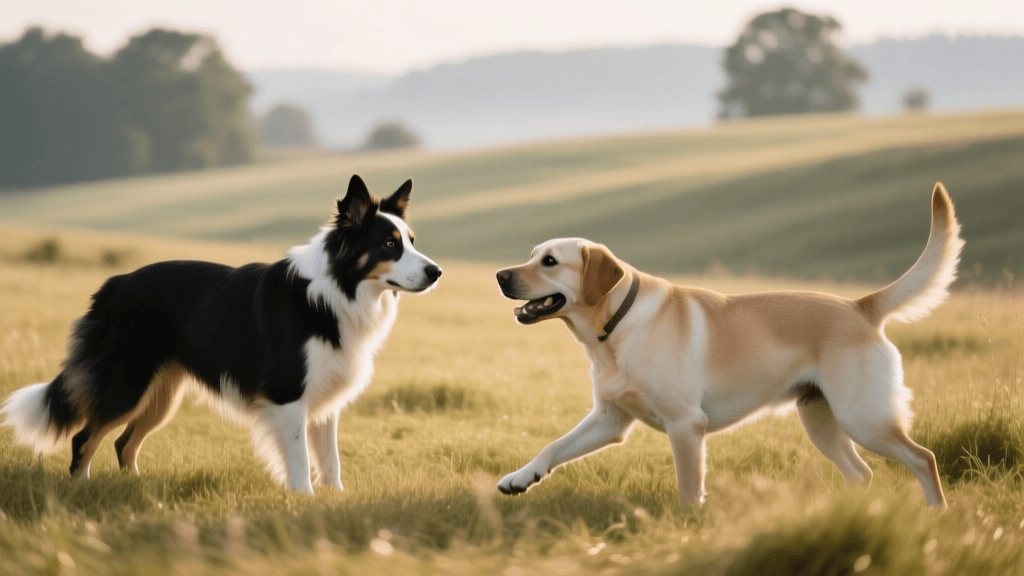
Understanding Border Collie Herding Instincts At Home
Discover why Border Collies herd cars and kids. Learn actionable tips, enrichment games, and management strategies to channel their instincts safely.
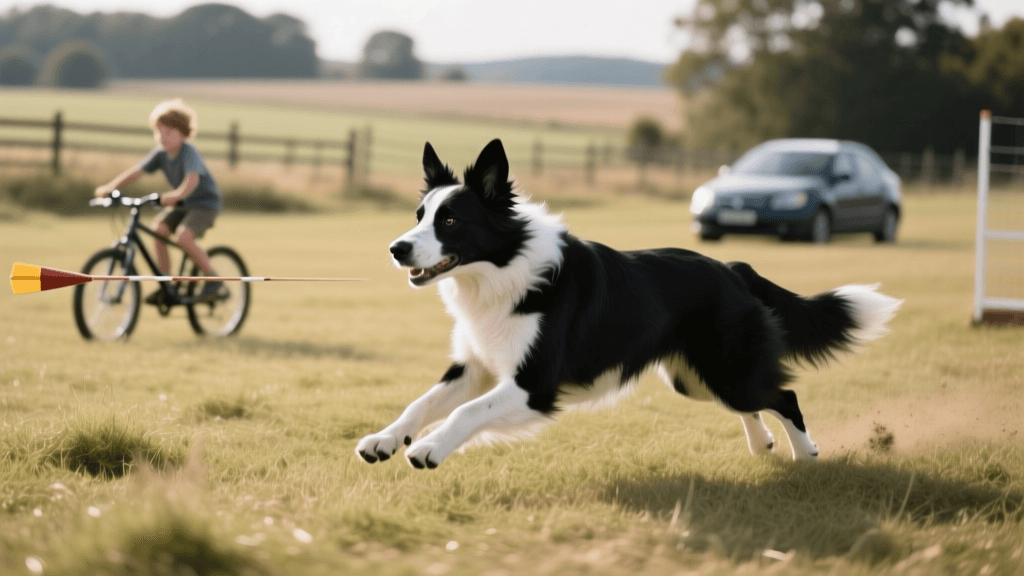
The Border Collie is widely celebrated as the most intelligent dog breed in the world, but this remarkable cognitive ability is inextricably linked to a deeply ingrained, genetically hardwired drive: the herding instinct. For suburban and urban dog owners, this instinct can manifest in frustrating or even dangerous ways, such as chasing passing cars, nipping at the heels of running children, or obsessively stalking household cats. To live harmoniously with a Border Collie, it is essential to understand the psychology behind their behavior and provide structured, breed-specific outlets for their drive.
The Predatory Motor Sequence: Decoding the Herding Drive
To understand why your Border Collie behaves the way they do, we must look at the canine predatory motor sequence. According to behavioral experts at VCA Animal Hospitals, the predatory sequence in wild canines consists of several distinct stages: orient, eye, stalk, chase, grab-bite, kill-bite, dissect, and consume.
Over centuries of selective breeding, sheepdog handlers intentionally amplified the early stages of this sequence (orient, eye, stalk, and chase) while heavily suppressing the later, destructive stages (grab-bite and kill-bite). The result is a dog that is genetically obsessed with controlling movement without causing physical harm to the livestock. However, in a modern suburban environment lacking sheep, this suppressed predatory drive does not simply disappear. Instead, it seeks alternative outlets. A passing bicycle, a squeaky toy, or a toddler running across the lawn can easily trigger the 'orient-stalk-chase' sequence, resulting in herding behaviors that are often misinterpreted as aggression or hyperactivity.
The Psychology of the 'Border Collie Eye'
One of the most fascinating psychological traits of the breed is 'The Eye.' This is a intense, hypnotic stare the dog uses to exert psychological pressure on livestock. The International Sheep Dog Society (ISDS) notes that the degree of 'eye' can vary from 'strong-eyed' (the dog crouches low, staring intensely and moving slowly) to 'loose-eyed' (the dog works more upright and relies on movement and barking).
When your Border Collie pins you with a hard stare while you are eating, or stalks the family cat from across the room, they are utilizing this genetic tool. They are gathering information and preparing to control the movement of their target. Recognizing this posture is the first step in interrupting the behavior before it escalates into a full-blown chase.
Trigger Stacking in the Suburban Environment
Border Collies are highly sensitive to visual and auditory stimuli. In a busy neighborhood, a dog may experience 'trigger stacking.' A dog might ignore a single person walking by, but if a person walks by, a car backfires, and a squirrel runs up a tree all within a three-minute window, the dog's cortisol and adrenaline levels spike. This chemical cocktail lowers their threshold for self-control, making them highly likely to lunge, bark, or attempt to herd the next moving object they see. Managing the environment to prevent chronic trigger stacking is vital for their mental health.
Actionable Management: Redirecting the Instinct
You cannot train the herding instinct out of a Border Collie, but you can redirect it into safe, fulfilling activities. Here are three highly effective, breed-specific enrichment strategies complete with gear recommendations and costs.
1. Treibball (Urban Herding)
Treibball is a competitive dog sport originally designed for herding breeds that do not have access to livestock. The dog is trained to 'herd' large exercise balls into a designated goal area using only their nose and shoulders.
- Gear Required: 3 to 8 large exercise balls (Jolly Balls or standard yoga balls). For a medium-sized Border Collie, use balls ranging from 45cm to 65cm in diameter.
- Estimated Cost: $25 to $40 per durable Jolly Ball; $15 for a lightweight PVC goal frame.
- Training Tip: Start with a single ball in a low-distraction hallway. Use a target stick to teach the dog to push the ball forward, rewarding heavily with high-value treats like Vital Essentials freeze-dried minnows ($12 per bag) when they make nose-to-ball contact.
2. Flirt Pole Work (Controlled Chase)
A flirt pole satisfies the 'chase' and 'grab-bite' phases of the predatory sequence in a controlled manner, saving your ankles and the neighborhood cats.
- Gear Required: A 36-inch to 48-inch fiberglass wand with a bungee cord and a durable lure (e.g., the Outward Hound Tail Teaser).
- Estimated Cost: $20 to $35.
- Safety Rule: Always keep the lure dragging on the ground. Jerking the lure high into the air encourages the dog to leap and land awkwardly, which can cause severe orthopedic injuries, including cranial cruciate ligament (CCL) tears. Keep sessions short (5-10 minutes) to prevent overheating and obsessive fixation.
3. Scent Work and Barn Hunt Alternatives
While herding relies heavily on vision, engaging the olfactory system forces the Border Collie's brain to slow down and process complex environmental data. Hide birch or clove essential oil Q-tips inside cardboard boxes or PVC pipes in your backyard. This builds focus and tires the dog out mentally without requiring high-speed physical exertion.
Structured Daily Enrichment Schedule
A physical walk around the block is rarely enough for a working breed. Below is a sample daily schedule designed to fulfill a suburban Border Collie's physical and psychological needs while enforcing mandatory rest periods.
| Time of Day | Activity Type | Specific Action | Duration |
|---|---|---|---|
| 7:00 AM | Mental / Olfactory | Snuffle Mat Breakfast (Scatter kibble in a wool snuffle mat) | 15 mins |
| 8:00 AM | Physical / Decompression | Long-line sniffari in a quiet field (15ft biothane leash) | 45 mins |
| 12:30 PM | Instinct / Drive | Treibball or Flirt Pole session in the yard | 15 mins |
| 1:00 PM | Mandatory Rest | Crate or mat settle (Enforced nap to prevent trigger stacking) | 2 hours |
| 5:30 PM | Training / Focus | Trick training or agility foundation (weave poles, jumps) | 20 mins |
| 7:00 PM | Calming / Bonding | Frozen Kong (stuffed with plain pumpkin and goat milk) | 30 mins |
Teaching the 'Off-Switch': The Relaxation Protocol
The most critical skill a Border Collie can learn is how to do absolutely nothing. Because their brains are wired to seek out jobs and control movement, they often do not know how to self-soothe. Dr. Karen Overall's Relaxation Protocol is the gold standard for teaching an 'off-switch.'
How to Implement:
- Purchase a dedicated, non-slip training mat (a 24x36 inch Gorilla Grip rug pad works perfectly and costs around $15).
- Place the mat in a low-traffic area of your living room.
- Using a treat pouch filled with soft, pea-sized rewards (like Zuke's Mini Naturals, approx. $8), reward the dog simply for placing all four paws on the mat.
- Follow Dr. Overall's incremental 15-day protocol, which asks the dog to remain on the mat while you perform increasingly distracting tasks (e.g., clapping your hands, walking to the door, doing jumping jacks).
By consistently pairing the mat with a state of physical relaxation and dopamine-releasing treats, you create a psychological 'safe zone.' Over time, the mere sight of the mat will cue the dog's parasympathetic nervous system to engage, lowering their heart rate and suppressing the urge to stalk or herd.
Embracing the Breed Standard
Living with a Border Collie requires a fundamental shift in perspective. As the American Kennel Club (AKC) breed standard suggests, these dogs are 'alert, eager, and highly intelligent.' Their herding behaviors are not acts of disobedience; they are the dog successfully executing the genetic code humans wrote for them centuries ago.
'The Border Collie is a highly energetic, highly intelligent herding dog that requires an active owner who can provide ample mental and physical stimulation. Without a job to do, they will invent one, often to the detriment of the household.'
By understanding the mechanics of the predatory motor sequence, managing environmental triggers, and providing structured outlets like Treibball and mat training, you can help your Border Collie thrive in a modern home. You are not just owning a pet; you are managing a brilliant, driven athlete. Give them the right job, and they will be the most rewarding companion you could ever ask for.
jonas-cole
All our authors care for dogs every day — read more of their work on the authors page.