Best Puppy Breeds For Remote Workers In 2026: Top WFH Picks
Discover the best puppy breeds for remote workers in 2026. Learn WFH potty training, teething cable safety, and socialization tips for your new pup.
The Rise of the WFH Puppy in 2026
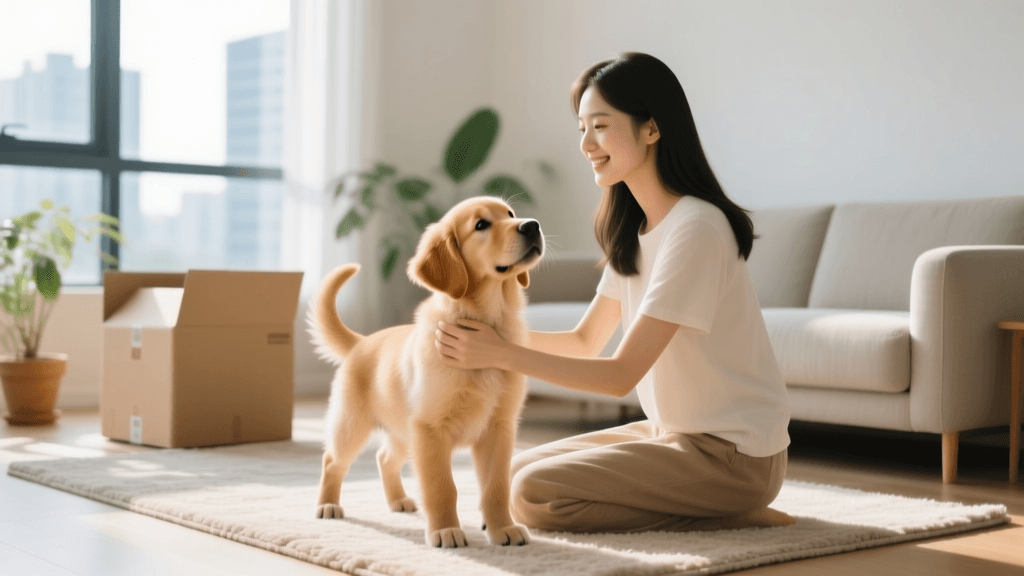
As the fully remote and hybrid work landscape of 2026 continues to evolve, millions of professionals are permanently transforming their home offices into dual-purpose spaces for productivity and puppy rearing. Working from home offers the unparalleled opportunity to be present for your puppy's crucial first-year developmental milestones, from early socialization to potty training. However, not every puppy breed is suited for the quiet hum of a home office, and managing a teething pup while on a video conference requires strategic planning.
Choosing the right breed is the first step toward a harmonious work-from-home (WFH) lifestyle. You need a companion that can tolerate periods of quiet, adapts well to indoor living, and doesn't suffer from extreme separation anxiety when you eventually need to leave the house. Below, we explore the best puppy breeds for remote workers in 2026, alongside actionable advice on managing potty schedules, teething hazards, and socialization in a home-office environment.
Top 5 Puppy Breeds for Remote Workers
1. Cavalier King Charles Spaniel
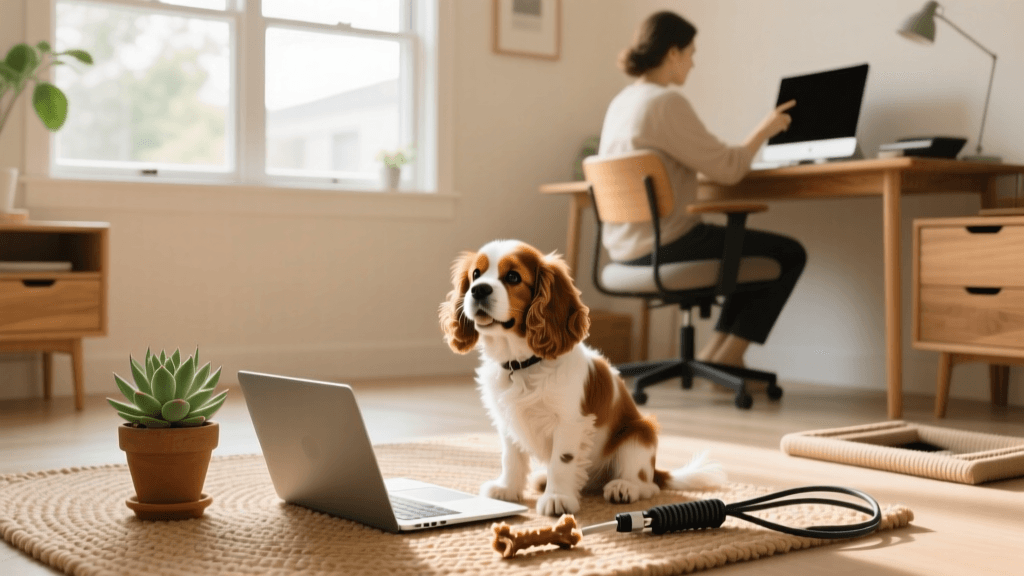
The Cavalier King Charles Spaniel is the quintessential WFH companion. Known for their gentle demeanor and eagerness to please, Cavalier puppies are relatively quiet, making them ideal for households where background noise during virtual meetings is a concern. They thrive on proximity, meaning they will happily nap on a bed or rug directly beneath your standing desk while you work. Their moderate energy levels require only short, structured play breaks, which align perfectly with the Pomodoro productivity technique.
2. Bichon Frise
For remote workers with mild pet allergies or those living in smaller urban apartments, the Bichon Frise is a top-tier choice. Their hypoallergenic, low-shedding coats keep your home office clean, though they do require regular grooming. Bichon puppies are cheerful, highly adaptable, and generally do not possess the high prey drive or vocal tendencies of terrier breeds. They are alert enough to act as a mild watchdog but are far more likely to greet a delivery driver with a wagging tail than aggressive barking.
3. Japanese Chin
Often described as cat-like, the Japanese Chin is a brilliant choice for remote workers who want a low-maintenance, quiet presence in their office. These puppies are incredibly observant and tend to bond deeply with one or two people. They are not overly demanding of physical exercise, preferring to lounge on a nearby sofa while you type away. Their small size makes them perfect for compact home office setups, and their quiet nature ensures your audio feed remains clear during important calls.
4. Miniature Poodle
If your work involves long stretches of deep focus and you want a highly intelligent companion, the Miniature Poodle is exceptional. Poodle puppies are remarkably easy to potty train—a massive advantage for busy professionals. Because they are so smart, they require mental stimulation to prevent boredom-induced chewing. Providing a Miniature Poodle puppy with interactive puzzle toys during your work hours will keep their brilliant minds engaged while you meet your daily deadlines.
5. Boston Terrier
The Boston Terrier, affectionately known as the 'American Gentleman,' is a compact, sturdy, and highly entertaining WFH buddy. While Boston Terrier puppies have bursts of playful energy (often resulting in hilarious 'zoomies' between your work blocks), they are generally quiet dogs that rarely bark without a very good reason. They are highly attuned to their owner's emotions, providing excellent stress relief during high-pressure workdays.
WFH Breed Comparison Chart
| Breed | Barking Level | Potty Training Speed | Separation Anxiety Risk | Energy Level |
|---|---|---|---|---|
| Cavalier King Charles | Low | Moderate | High | Low-Moderate |
| Bichon Frise | Low-Moderate | Moderate | Moderate | Moderate |
| Japanese Chin | Very Low | Fast | Moderate | Low |
| Miniature Poodle | Low | Very Fast | High | Moderate-High |
| Boston Terrier | Low | Moderate | Moderate | Moderate |
Mastering the WFH Potty Training Schedule
One of the greatest advantages of working from home is the ability to manage your puppy's potty training schedule with precision. According to the ASPCA, consistency and frequent outdoor trips are the cornerstones of successful housebreaking. For remote workers, syncing your puppy's potty breaks with your work schedule is a game-changer.
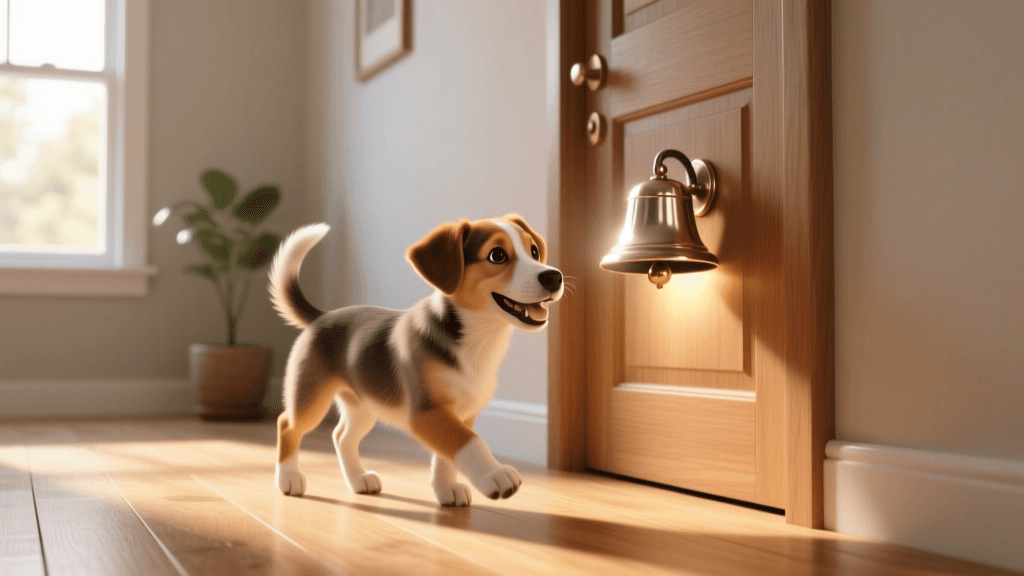
Consider utilizing a modified Pomodoro schedule. Work for 50 minutes, then take a 10-minute break to take your puppy outside to their designated potty spot. This not only reinforces good bathroom habits but also forces you to step away from your screen, stretch your legs, and bond with your new pup. If you live in a high-rise building where getting outside takes several minutes, many remote workers in 2026 are turning to subscription-based indoor grass patches or smart indoor potty systems to bridge the gap between outdoor trips during bad weather or back-to-back meetings.
Teething and Home Office Cable Safety
A home office is a minefield for a teething puppy. Between 3 and 6 months of age, your puppy will lose their baby teeth, and the urge to chew will be overwhelming. In a modern 2026 home office, this means fiber optic cables, USB-C hubs, monitor power cords, and noise-canceling headphone wires are all at severe risk.
- Cable Management: Invest in braided cable sleeves and hard plastic cord concealers. Never leave loose wires dangling near the puppy's playpen or crate.
- Bitter Sprays: Apply a pet-safe bitter apple spray to the edges of your desk and any unavoidable baseboards to deter chewing.
- Appropriate Chew Toys: Keep a rotation of frozen teething toys on hand. A classic rubber Kong stuffed with puppy-safe peanut butter and frozen overnight can buy you 45 minutes of uninterrupted focus time during a critical project phase.
The WFH Trap: Socialization and Separation Anxiety
The most significant danger of raising a puppy while working from home is inadvertently fostering severe separation anxiety. When a puppy spends their first critical months with you in the same room 24/7, they can develop the false assumption that your constant presence is the baseline of reality. When you eventually have to travel for business or return to an office, the sudden absence can lead to destructive behavior and severe distress.
The American Kennel Club emphasizes that teaching a puppy to be comfortable alone is just as important as teaching them to sit or stay. To combat this, remote workers must implement the 'fake commute.' Every morning, get dressed, put your puppy in their safe zone or crate with a long-lasting treat, and physically leave your home or apartment for 30 to 60 minutes. Go for a walk, grab a coffee, or work from a local cafe. This teaches the puppy that your departures are normal, predictable, and always followed by a return.
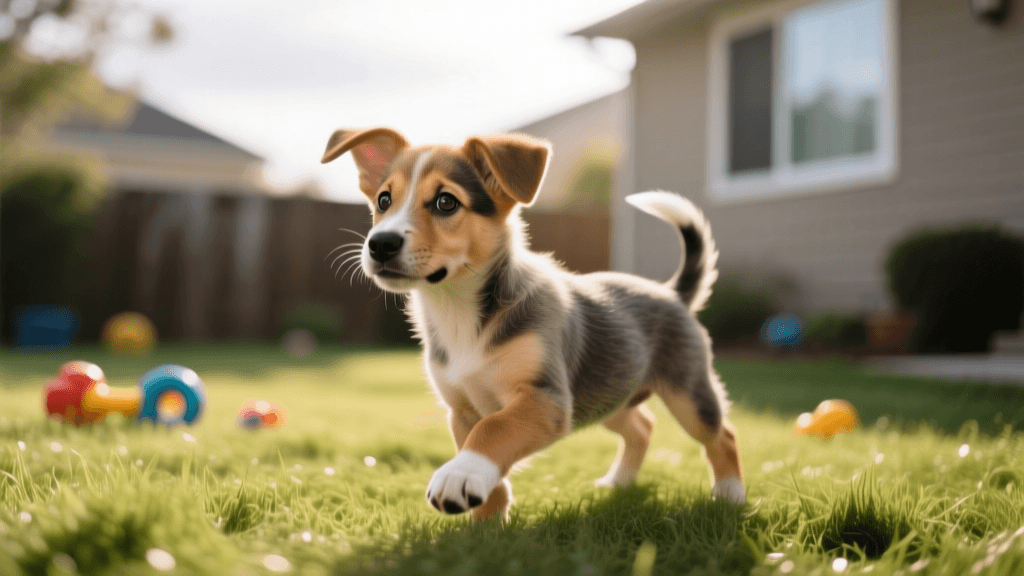
Furthermore, early socialization is vital. The Humane Society notes that exposing your puppy to a wide variety of people, environments, and sounds during their primary socialization window (up to 16 weeks) builds lifelong confidence. Use your lunch breaks to take your puppy to outdoor cafes, busy parks, or pet-friendly retail stores. By actively managing their alone time and social exposure, you ensure your WFH puppy grows into a well-adjusted, confident adult dog who supports your career rather than disrupting it.
Conclusion
Raising a puppy as a remote worker in 2026 is a deeply rewarding experience that requires intentionality. By selecting a breed that matches your work style, rigorously managing your potty and teething environments, and proactively preventing separation anxiety, you can create a thriving home office for both you and your new best friend.
hannah-wickes
All our authors care for dogs every day — read more of their work on the authors page.