Top 5 Best Puppy Breeds for Remote Workers in 2026
Discover the best puppy breeds for remote workers in 2026. Find low-barking, affectionate dogs perfect for your home office setup and daily Zoom calls.
The 2026 Remote Work Landscape and Your Dog
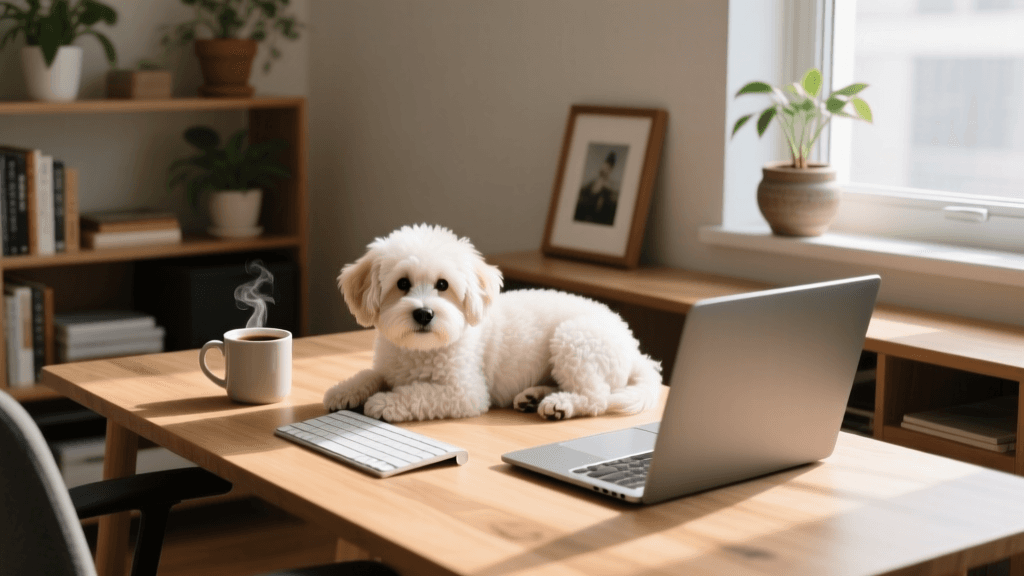
As we settle into the permanent remote and hybrid work models of 2026, the home office has evolved from a makeshift desk in the corner to a dedicated, optimized workspace. For many professionals, this environment is incomplete without a canine companion resting at their feet. However, not all puppies are suited for the quiet focus required during video conferences and deep work sessions. Choosing the right breed is critical to maintaining your productivity while providing a loving home for a new puppy.
When selecting a puppy for a work-from-home lifestyle, you must consider energy levels, vocalization tendencies, and independence. A high-drive herding dog might interrupt your quarterly review with persistent barking, while a velcro breed might demand constant lap time during critical presentations. According to breed temperament guidelines from the American Kennel Club, matching a dog's natural instincts to your daily routine is the foundation of a successful human-canine relationship.
Top 5 Best Puppy Breeds for Remote Workers
1. Cavalier King Charles Spaniel
The Cavalier King Charles Spaniel is the quintessential home office companion. Known for their gentle, affectionate nature, these puppies are incredibly adaptable to their owner's schedule. If you are typing away at your desk, a Cavalier is perfectly content to curl up on a nearby dog bed and nap the afternoon away. They are notoriously quiet, rarely barking without a significant reason, making them an ideal choice for professionals who spend hours on Zoom or Microsoft Teams calls. Their moderate energy levels mean a brisk morning walk and an evening play session are more than enough to keep them satisfied while you work.
2. Greyhound
It might surprise some to see a racing breed on a list of lazy home office dogs, but Greyhounds are famously known as couch potatoes. Despite their athletic build, adult Greyhounds and older puppies require surprisingly little daily exercise compared to other breeds of their size. They are quiet, dignified, and prefer to sleep on a plush orthopedic bed while you tackle your inbox. Their short coats also mean minimal grooming interruptions during your workday. For remote workers in apartments or smaller homes, a Greyhound's calm indoor demeanor makes them an exceptional, low-maintenance choice.
3. Bichon Frise
If you want a cheerful, small companion who brings joy to your home office without the shedding, the Bichon Frise is a stellar option. These dogs are highly intelligent and eager to please, which makes mid-day training breaks a fun way to step away from your screen. Bichons are generally quiet and alert, acting as excellent little watchdogs without becoming nuisance barkers. Their hypoallergenic coats require professional grooming every few weeks, but the trade-off is a dander-free workspace that keeps your allergies at bay during long shifts. The ASPCA notes that regular grooming and mental stimulation are key to keeping companion breeds happy and well-adjusted.
4. Japanese Chin
The Japanese Chin is a dignified, quiet, and fiercely loyal toy breed that thrives in a calm indoor environment. Bred historically as companion animals for nobility, they do not possess the high prey drive or vocal tendencies of many terriers. A Japanese Chin will happily observe your workday from the comfort of a velvet cushion. They are independent enough to entertain themselves with a puzzle toy while you are in a deep-focus sprint, yet affectionate enough to offer comforting cuddles during your lunch break. Their small size makes them perfect for compact home office setups.
5. Pug
Pugs are the comedians of the dog world, but they are also champion nappers. A Pug puppy will gladly match your sedentary work-from-home lifestyle, requiring only short, leisurely walks to stay healthy. They are deeply devoted to their owners and prefer to be in the same room, often snoring softly in the background of your virtual meetings. While they can be stubborn during training, their low exercise requirements and generally quiet nature make them fantastic companions for remote workers who prefer a relaxed, humorous presence in their home office.
Comparison Chart: Remote Work Dog Breeds
| Breed | Barking Level | Energy Level | Shedding | Best For |
|---|---|---|---|---|
| Cavalier King Charles Spaniel | Low | Moderate | Moderate | Quiet focus & cuddles |
| Greyhound | Very Low | Low (Indoor) | Low | Apartment living & napping |
| Bichon Frise | Low | Moderate | Hypoallergenic | Allergy sufferers |
| Japanese Chin | Low | Low | Moderate | Compact home offices |
| Pug | Low-Medium | Low | High | Relaxed, humorous company |
Breeds to Avoid for the Home Office
While every dog is an individual, certain breeds possess genetic traits that clash with the typical remote work environment. High-drive herding breeds, such as Border Collies and Australian Shepherds, require intense physical and mental stimulation. Without it, they may develop destructive behaviors or attempt to herd you away from your desk. Similarly, vocal hounds like Beagles or Huskies are prone to baying and howling, which can cause immense embarrassment during important client calls. If your job requires deep concentration and frequent virtual meetings, it is best to avoid breeds originally developed for vocal alerting or high-endurance fieldwork.
Essential 2026 Home Office Gear for Dog Owners
Equipping your home office with the right pet technology ensures your puppy remains safe and entertained while you work. In 2026, smart pet cameras like the Furbo 3 Dog Camera offer 360-degree views and treat-tossing capabilities, allowing you to check in on your puppy and reward quiet behavior during a quick five-minute screen break. Additionally, investing in an orthopedic memory foam dog bed, such as the Big Barker Pillow Top, protects your puppy's developing joints and provides a designated place command zone away from your rolling office chair. Finally, a smart indoor pet door or a designated potty area with synthetic grass patches can streamline mid-day bathroom breaks without requiring you to fully step away from your workflow.
Training Your Puppy for Zoom Calls
Even the quietest breeds require training to understand the boundaries of the home office. Start by implementing the place command, teaching your puppy to settle on their bed or mat on cue. Use high-value treats to reward them for staying in their spot while you simulate typing or talking on the phone. Gradually increase the duration and distractions. If your puppy begins to whine or bark during a call, avoid yelling, as this only adds to the noise and excitement. Instead, use a calm, firm release word, redirect them to a chew toy, and reward them once they settle. Consistency is vital; by setting clear expectations from day one, your puppy will learn that your office hours are their designated nap times.
Final Thoughts on Balancing Work and Puppy Care
Bringing a puppy into your home while working remotely is a deeply rewarding experience that requires careful planning and breed selection. By choosing a low-barking, adaptable companion like the Cavalier King Charles Spaniel or the Greyhound, you set the stage for a harmonious home office. Remember that even the most laid-back puppy requires structure, regular bathroom breaks, and dedicated playtime outside of your working hours. Utilize your lunch breaks for training sessions and neighborhood walks to ensure your new best friend stays physically and mentally enriched. With the right breed, proper training, and a few smart tech upgrades, your 2026 remote work setup will be more productive and joyful than ever before.
jonas-cole
All our authors care for dogs every day — read more of their work on the authors page.