2026 Guide: Setting Up a Safe Space for Reactive Rescues
Discover how to set up a decompression safe space for a reactive rescue dog. Expert tips on soundproofing, crates, and the 72-hour protocol.
The Reality of Adopting a Reactive Rescue
Bringing a reactive or anxious rescue dog into your home is one of the most rewarding experiences in dog ownership, but it requires meticulous preparation. Unlike puppies raised in controlled environments, many adult rescues arrive with a history of trauma, neglect, or inadequate socialization. This often manifests as leash reactivity, resource guarding, or severe separation anxiety. According to the ASPCA's guide on common dog behavior issues, fear and anxiety are the leading causes of surrender in adult dogs. However, with the right environmental management, these dogs can thrive.
As of 2026, the cornerstone of managing a reactive rescue is the 'Decompression Zone.' This is not merely a crate; it is a fully managed sensory environment designed to lower your dog's cortisol levels and prevent trigger stacking. Trigger stacking occurs when a dog experiences multiple stressors in quick succession, causing their reactivity threshold to plummet. By proactively designing your home to minimize unexpected visual and auditory triggers, you set your new companion up for success from the very first day.
Designing the Ultimate Decompression Zone
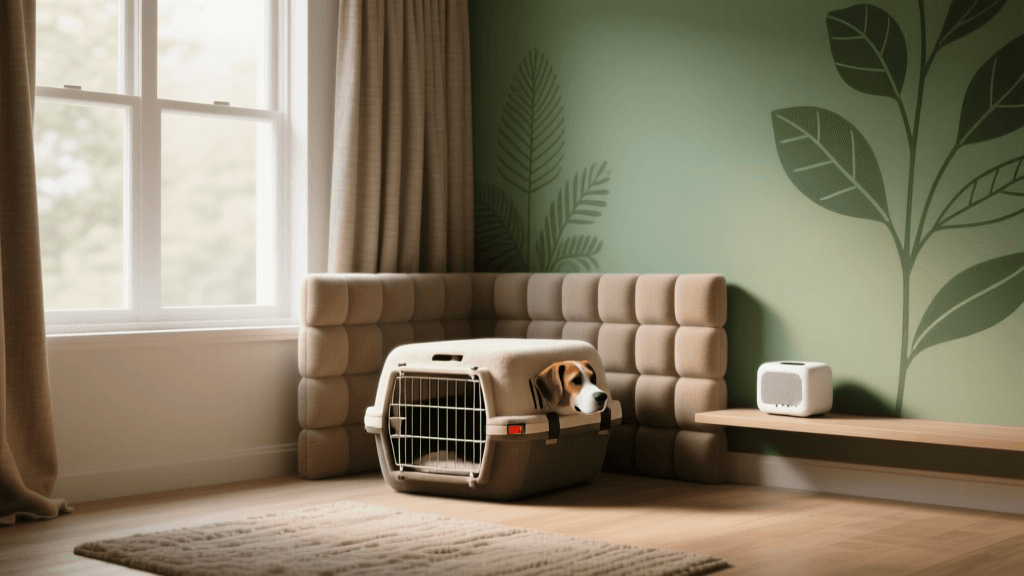
Your dog's safe space should be located in a low-traffic area of your home, such as a spare bedroom, a quiet corner of the living room, or a finished basement. The goal is to create a predictable environment where the dog feels entirely secure. In 2026, veterinary behaviorists emphasize the importance of 'choice-based' safe spaces. Instead of forcing a dog into a closed crate, many experts recommend setting up an open-concept pen or a dedicated room where the dog can voluntarily retreat when overwhelmed.
Start by selecting the right primary enclosure. For highly anxious dogs who may injure themselves trying to escape a standard wire crate, upgrading to a heavy-duty or crash-tested kennel is a vital investment. Below is a comparison of the top safe space enclosures recommended by behaviorists this year.
| Enclosure Model | Best For | 2026 Est. Price | Key Feature |
|---|---|---|---|
| Gunner G1 Kennel | Severe anxiety & escape artists | $599 | 5-Star crash tested, chew-proof, escape-proof locks |
| Dakota 283 G3 Pro | Travel and home transitions | $285 | Airline-friendly, durable rotomolded plastic |
| MidWest Ultima Pro | Mild anxiety & boundary training | $95 | Heavy-gauge wire, includes divider panel |
| IRIS USA Exercise Pen | Choice-based open retreats | $65 | Configurable panels, non-climbable smooth surface |
Managing Visual and Auditory Triggers
Reactive dogs are highly susceptible to environmental triggers. A dog barking at the window at passing cars or delivery drivers is practicing rehearsal behavior, which reinforces the neural pathways associated with reactivity. To combat this, you must control the visual landscape of your home.
Visual Barriers
Apply a frosted privacy window film to the lower 36 inches of your windows. Products like the Gila Privacy Mirror Film or static-cling frosted vinyl (costing around $15 to $30 per roll) allow natural light to enter while completely obscuring the view of the street. If your dog reacts to people walking through the house, use a freestanding pet gate or a room divider to block line-of-sight to high-traffic hallways.
Auditory Masking
Sudden noises like doorbells, sirens, or neighboring dogs can send an anxious rescue into a panic. Masking these sounds is critical. Invest in a mechanical white noise machine, such as the Yogasleep Dohm (approximately $50), which creates a continuous, soothing sound blanket that masks sudden spikes in decibel levels. Additionally, playing bioacoustic music designed specifically for canine nervous systems, such as the 'Through a Dog's Ear' series, has been clinically shown to lower heart rates in shelter and home environments.
Scent Therapy and Enrichment
Olfactory enrichment is one of the most effective ways to tire out an anxious dog and lower their arousal levels. Sniffing releases dopamine and encourages natural foraging behaviors. Equip your decompression zone with a high-quality snuffle mat or a lick mat frozen with low-sodium bone broth and plain pumpkin puree. Licking and chewing are self-soothing behaviors that help dogs process stress.
Pheromone therapy remains a staple in 2026 for managing canine anxiety. The Adaptil Calm Home Diffuser (around $45 for the starter kit) releases a synthetic copy of the dog-appeasing pheromone produced by nursing mothers. Plugging this in near your dog's safe space can significantly reduce pacing, whining, and destructive behavior during the initial transition period. Always ensure the diffuser is placed in an open area, not tucked behind furniture or inside the crate itself, to allow for proper air circulation.
The 72-Hour Decompression Protocol
When you first bring your reactive rescue home, the American Kennel Club's advice on helping fearful dogs strongly advocates for a strict decompression period. The first three days are critical for setting the tone of your relationship and preventing trigger stacking.
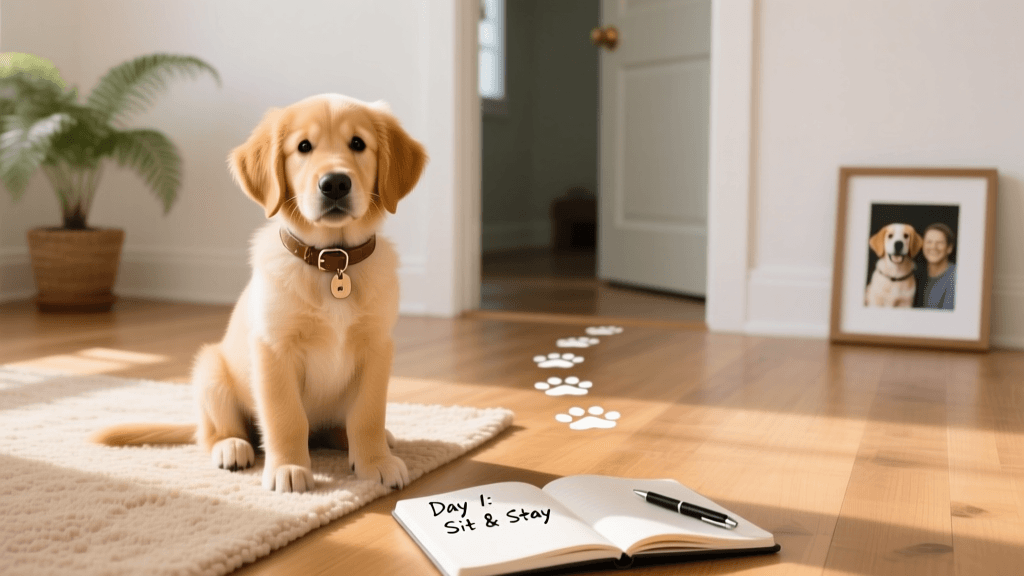
- Day 1: The Silent Arrival. Bring the dog directly into their pre-set decompression zone. Do not introduce them to the rest of the house, other pets, or family members. Keep interactions to a minimum. Provide water, a frozen enrichment toy, and let them sleep. Expect them to sleep for 12 to 18 hours as they recover from the stress of transport.
- Day 2: Scent Swapping and Potty Protocols. Begin introducing the dog to the home via scent. Rub a clean towel on your other pets or family members and place it in the safe space. Take the dog out on a long-line leash (15 to 20 feet) in a quiet, fenced area for potty breaks. Avoid all on-leash greetings with strangers or other dogs.
- Day 3: Expanding the Map. Slowly allow the dog to explore one additional room in the house while supervised. Continue to enforce quiet time in the safe space for at least two hours in the morning and two hours in the evening to prevent neurological fatigue.
When to Call a Professional Behaviorist
While environmental management and decompression protocols are powerful tools, severe reactivity and anxiety often require professional intervention. If your dog exhibits redirected aggression, refuses to eat for more than 24 hours, or engages in severe self-mutilation, it is time to seek help. Do not rely on outdated 'dominance' or 'alpha' training methods, which have been thoroughly debunked and will only exacerbate fear-based reactivity.
Instead, look for a certified professional who utilizes force-free, fear-free methodologies. You can locate a qualified expert in your area through the Certification Council for Professional Dog Trainers (CCPDT) directory. A professional behaviorist will help you implement desensitization and counter-conditioning (DS/CC) protocols tailored to your dog's specific triggers, ensuring a safe and harmonious life together.
Final Thoughts on Patience and Progress
Getting a dog with a history of reactivity is a marathon, not a sprint. In 2026, we have access to better scientific understanding, superior management tools, and more compassionate training methodologies than ever before. By prioritizing your dog's need for a secure, trigger-managed safe space, you are giving them the foundation they need to finally let their guard down and discover the joy of being a beloved family companion.
marcus-aldridge
All our authors care for dogs every day — read more of their work on the authors page.