Top Quiet Dog Breeds For Apartments In 2026: Expert Guide
Discover the best quiet dog breeds for apartments in 2026. Learn about low-bark dogs like the Basenji and Greyhound, plus apartment training tips.
The Rise of the Silent Companion: Apartment Living in 2026
As urban housing trends continue to evolve in 2026, apartment living has become the primary lifestyle for millions of dog owners worldwide. Modern eco-friendly apartment complexes often feature highly insulated but acoustically complex shared walls, making noise management a top priority for renters and condo owners alike. According to recent urban housing surveys, noise complaints remain the leading cause of lease violations and neighbor disputes. For dog lovers sharing these compact spaces, selecting a breed that is naturally inclined toward silence is not just a preference; it is a necessity for harmonious community living.
However, a common misconception persists that only tiny dogs are suitable for apartments, or that all small dogs are quiet. In reality, many small terriers are notoriously vocal, while several large breeds are verifiable couch potatoes who rarely make a peep. In this comprehensive guide, we explore the best quiet dog breeds for apartments in 2026, breaking down their temperaments, exercise needs, and the specific gear required to keep them happy in shared living environments.
Why Choose a Quiet Dog Breed for Shared Spaces?
Living in a multi-family dwelling means your dog is exposed to a constant stream of unfamiliar stimuli: elevator dings, heavy footsteps in the hallway, neighboring doors slamming, and muffled conversations. Breeds developed for alerting or guarding are genetically hardwired to vocalize at these sounds. Choosing a quiet breed minimizes the chronic stress your dog might feel from trying to 'guard' an apartment they cannot fully control, while simultaneously protecting your security deposit and neighborly relations.
Furthermore, quiet breeds often possess an independent or laid-back nature that translates well to the spatial limitations of an apartment. They are generally more content to lounge on a sofa or observe the world from a balcony rather than demanding acres of fenced yard to patrol and bark at passing wildlife.
Top 6 Quiet Dog Breeds for Apartments in 2026
1. Basenji: The Famous Barkless Dog
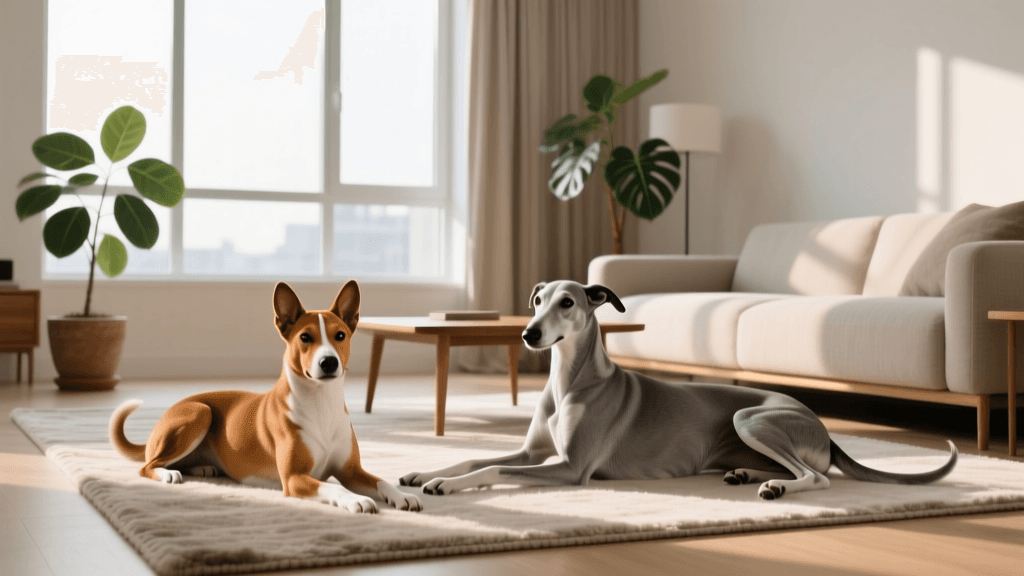
If your primary goal is absolute silence, the Basenji is unparalleled. Originating from Central Africa, this breed is famous for its unique larynx structure, which prevents it from producing a traditional bark. Instead, they communicate through a unique yodeling sound known as a 'barroo,' along with grunts and whines. While they are not entirely mute, their vocalizations are incredibly low-volume and infrequent. Basenjis are fastidious, cat-like groomers and generally odorless, making them stellar indoor companions. However, they are highly intelligent and require rigorous daily mental enrichment to prevent destructive boredom.
2. Greyhound: The 45-MPH Couch Potato
It surprises many prospective apartment dwellers that a breed capable of reaching 45 miles per hour is one of the quietest and most relaxed indoor pets. Greyhounds are sprinters, not marathon runners. A brisk 20-minute morning walk and a short evening stroll are usually sufficient to meet their physical needs. Once inside, they typically curl up on the nearest soft surface and sleep for up to 18 hours a day. They are notoriously gentle, rarely bark at strangers, and their thin coats mean minimal shedding, though they do require a warm sweater during winter balcony potty breaks.
3. Shiba Inu: The Stoic Observer
The Shiba Inu is a Japanese breed renowned for its dignified, almost aloof demeanor. Unlike many companion breeds that suffer from separation anxiety and vocalize their distress, Shibas are remarkably independent. They are highly alert but typically reserve their voices for moments of extreme excitement or distress (the infamous 'Shiba scream'). In a quiet apartment setting, they are usually silent observers. They are also exceptionally clean dogs, often grooming themselves and quickly mastering indoor potty training routines.
4. Japanese Chin: The Aristocratic Silent Partner
Bred exclusively for the companionship of nobility, the Japanese Chin is a small, elegant breed that thrives in indoor environments. They are incredibly attuned to their owners' emotions and prefer to remain quietly by your side rather than engaging in boisterous play. Their exercise needs are minimal, easily satisfied with indoor play sessions and short neighborhood walks. Their flat faces (brachycephalic structure) mean they are sensitive to heat and overexertion, reinforcing their status as perfect indoor apartment dogs.
5. Whippet: The Miniature Gentleman
Sharing the sighthound lineage of the Greyhound, the Whippet offers the same quiet, low-energy indoor temperament in a smaller, more manageable package. Weighing between 25 and 40 pounds, they fit comfortably in compact apartments. Whippets are deeply affectionate with their families but are generally indifferent to strangers, meaning they lack the territorial barking instinct found in many other small breeds. They are sensitive to cold and will happily burrow under your apartment's blankets for hours on end.
6. Cavalier King Charles Spaniel: The Gentle Soul
While not entirely mute, the Cavalier King Charles Spaniel is known for its exceptionally soft and gentle nature. They are eager to please and highly adaptable, matching their owner's energy level seamlessly. If you live a quiet, relaxed apartment lifestyle, your Cavalier will mirror it. They rarely bark without a highly compelling reason. Prospective owners in 2026 must be aware of the breed's predisposition to mitral valve heart disease and should seek out breeders who utilize the latest genetic screening and cardiac ultrasound protocols now standard in responsible breeding programs.
Apartment Dog Breed Comparison Chart
To help you evaluate which silent companion best fits your specific apartment lifestyle, review the comparison table below. This data reflects average breed standards and typical behavioral traits observed in urban environments.
| Breed | Average Weight | Daily Exercise Need | Vocalization Tendency | Apartment Score (1-10) |
|---|---|---|---|---|
| Basenji | 22-24 lbs | High (Mental & Physical) | Virtually None (Yodels) | 8/10 |
| Greyhound | 60-70 lbs | Low (Short Sprints) | Extremely Low | 9/10 |
| Shiba Inu | 17-23 lbs | Moderate | Low (Situational) | 8/10 |
| Japanese Chin | 7-11 lbs | Very Low | Extremely Low | 10/10 |
| Whippet | 25-40 lbs | Low to Moderate | Extremely Low | 9/10 |
| Cavalier | 13-18 lbs | Low to Moderate | Low | 9/10 |
Essential 2026 Apartment Gear for Quiet Dogs
Even the quietest breeds can develop bad habits if their environment is not properly managed. Modern pet technology and specialized apartment gear can help maintain a peaceful sanctuary for both you and your dog.
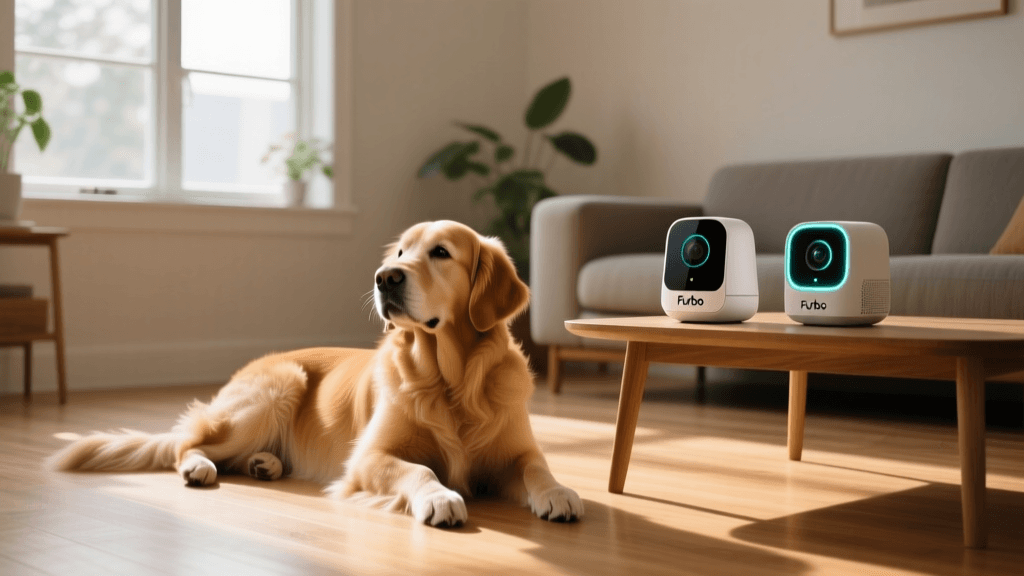
- AI-Driven Smart Pet Cameras: The latest 2026 models of smart pet cameras feature advanced AI audio filtering. These devices can distinguish between a normal whine, a destructive chew, and a potential bark, sending you targeted alerts so you can intervene via two-way audio before a noise complaint is triggered.
- Acoustic Dampening Pet Beds: Hardwood and laminate floors, common in modern apartments, can amplify the sound of a dog's nails or the thud of them jumping off furniture. Orthopedic beds with high-density, acoustic-dampening rubber bases absorb impact noise, keeping downstairs neighbors completely undisturbed.
- Smart White Noise Machines: Hallway noises are the primary trigger for alert barking. Placing a smart white noise machine near your apartment's entryway, calibrated to mask the specific frequencies of human footsteps and elevator chimes, creates an acoustic buffer that keeps your dog relaxed.
- Advanced Foraging Toys: Silent breeds like the Basenji and Shiba Inu require immense mental stimulation. Utilizing multi-stage puzzle feeders and washable snuffle mats ensures they spend their energy solving problems rather than pacing or vocalizing out of boredom.
Training and Acoustic Management in Shared Spaces
While genetics play a massive role in a dog's vocal tendencies, environment and training seal the deal. The ASPCA notes that addressing the root cause of barking—whether it is boredom, territoriality, or anxiety—is far more effective than simply trying to suppress the noise.
Desensitization to Hallway Triggers
In an apartment, your front door is the epicenter of auditory triggers. Spend time actively desensitizing your dog to these sounds. Record the sound of your building's elevator, doors closing, and footsteps. Play these sounds back at a very low volume while feeding your dog high-value treats. Gradually increase the volume over several weeks. This rewires your dog's brain to associate previously alarming hallway noises with positive rewards, effectively neutralizing the urge to alert-bark.
The 'Quiet' Command and Reward Protocol
Even quiet breeds may let out a single 'woof' when the doorbell rings. Teach a 'Quiet' command by allowing the single bark, acknowledging it with a calm 'Thank you,' and then luring the dog away from the door with a treat while issuing the 'Quiet' cue. Reward them heavily for disengaging from the door and settling onto their designated mat. Consistency in this 2026 training protocol ensures your dog knows that acknowledging a threat is fine, but sustained vocalization is unnecessary.
Managing Separation Anxiety Silently
If your dog vocalizes only when you leave, you are dealing with separation anxiety, not territorial barking. In 2026, veterinary behaviorists strongly recommend a combination of gradual departure desensitization and, when necessary, canine-specific pheromone diffusers. Leaving the television on is no longer considered sufficient; instead, providing a frozen, food-stuffed enrichment toy right before you walk out the door occupies their mind during the critical first 20 minutes of your absence, which is when anxiety-induced barking typically peaks.
Conclusion: Embracing the Peaceful Apartment Lifestyle
Sharing an apartment with a dog in 2026 is a deeply rewarding experience that does not have to come at the cost of your peace and quiet or your relationship with your neighbors. By selecting a breed genetically predisposed to silence—such as the Basenji, Greyhound, or Japanese Chin—and supporting them with modern acoustic management and mental enrichment tools, you can cultivate a serene, happy home. Remember that a quiet dog is often a deeply observant and emotionally connected companion, perfectly suited to the intimate, shared spaces of modern urban living.
tom-renshaw
All our authors care for dogs every day — read more of their work on the authors page.