Best Puppy Tech: GPS Trackers, Cameras And Smart Feeders
Discover the best puppy tech and gear for the first year. Compare GPS trackers, smart cameras, and automated feeders to keep your puppy safe and on schedule.

Introduction
Raising a puppy during their first year is a whirlwind of joy, sleepless nights, and rapid developmental milestones. From the teething phase to early socialization and potty training, new dog owners quickly realize that managing a growing pup requires immense time and patience. Fortunately, we are living in the golden age of pet technology. Smart gear and automated equipment can significantly reduce the stress of puppy rearing while providing invaluable data about your dog's health and habits. Whether you are dealing with separation anxiety, strict feeding schedules, or a curious escape artist, integrating the right technology into your puppy care routine is a game-changer. In this comprehensive gear and tech guide, we will break down the most effective gadgets for your puppy's first year, comparing costs, features, and practical applications to help you make informed investments.
GPS Trackers: Safeguarding Your Curious Explorer
Between the ages of four and nine months, puppies enter a heightened exploration phase. Their recall training is often unreliable, and their prey drive or curiosity can easily lead them out of open doors or under fence lines. While traditional identification is crucial, it only works if someone finds your lost dog. According to the ASPCA, microchips are a vital, permanent form of identification that greatly increases the chances of a lost pet being returned. However, a microchip does not help you track your puppy in real-time as they are running through the neighborhood. This is where GPS trackers become an essential piece of puppy gear.
Top Pick: Fi Series 3 Smart Dog Collar
The Fi Series 3 is widely considered the gold standard for canine GPS tracking. Unlike older models that relied on power-draining 4G LTE, the Fi collar uses LTE-M networks, which allows the battery to last up to three months on a single charge. For a growing puppy, the collar is lightweight and durable, making it suitable for dogs as small as ten pounds. The upfront cost is approximately $129, which includes the collar band and the GPS module, followed by a subscription fee of around $99 per year for cellular connectivity.
Runner Up: Whistle Go Explore
If you already have a favorite collar and simply want a tracking attachment, the Whistle Go Explore is an excellent alternative. Priced at about $69.95 upfront with a similar annual subscription, it offers real-time location tracking and a built-in night light, which is incredibly useful for late-night potty breaks during the winter months. Keep in mind that GPS devices require a relatively clear view of the sky; dense forest canopies or deep urban concrete canyons may cause slight signal delays.
Smart Pet Cameras: Mastering Crate Training and Potty Schedules
Crate training and potty training are two of the most demanding aspects of the first six months of a puppy's life. Furthermore, separation anxiety often peaks around the four-to-six-month mark as your puppy becomes more aware of their independence and your departures. A smart pet camera allows you to monitor your puppy's behavior, intervene when they are chewing on forbidden items, and reward quiet crate behavior from another room.
Premium Choice: Furbo 360 Dog Camera
Retailing at approximately $210, the Furbo 360 is specifically designed for dogs. Its standout feature is the treat-tossing mechanism. When you are at work and notice your puppy whining in their crate via the 1080p HD feed, you can use the companion app to toss a treat and reward a moment of silence. This positive reinforcement is crucial for shaping calm behavior. The 360-degree rotating base ensures you can follow your puppy around the living room during playpen time.
Budget Alternative: Wyze Cam Pan v3
For under $40, the Wyze Cam Pan v3 is a phenomenal budget option. While it lacks a treat tosser, it features color night vision and continuous pan-and-tilt capabilities. This is exceptionally useful for monitoring midnight potty habits without turning on the lights and disrupting your puppy's sleep cycle. Mount the camera roughly three to four feet off the ground, angled directly at the crate door or playpen area, to get the best vantage point of your puppy's body language and stress signals.
Automated Smart Feeders: Nailing the Puppy Feeding Schedule
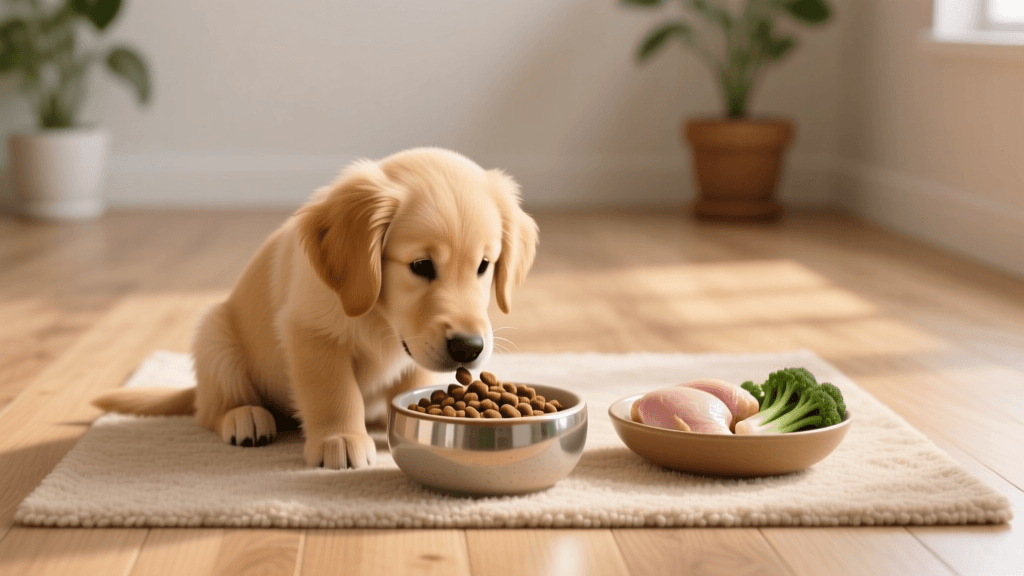
Puppies have small stomachs and high metabolic rates, requiring strict, frequent feeding schedules. From eight to twelve weeks, puppies generally need four meals a day; from three to six months, they need three meals a day. For working professionals, being home at 12:00 PM to serve lunch is rarely feasible. Automated smart feeders solve this problem, ensuring your puppy receives their meals at the exact same times daily, which is also the cornerstone of successful potty training.
Top Pick: PETLIBRO Granary Dual Automatic Feeder
Priced around $150, the PETLIBRO Granary Dual is a standout because it features dual power supplies (wall plug and battery backup) to ensure meals are never missed during a power outage. More importantly, it comes with a stainless steel bowl. Plastic bowls are notorious for harboring bacteria that cause canine chin acne and gastrointestinal issues. The U.S. Food and Drug Administration (FDA) strongly recommends washing pet food bowls with hot, soapy water after every use to prevent bacterial contamination like Salmonella. The PETLIBRO's stainless steel bowl is easily removable and dishwasher safe, aligning perfectly with these safety guidelines.
Calibrating Portions for Growing Pups
One common mistake owners make is trusting the automated feeder's 'portion' setting blindly. On most machines, one portion equals roughly 10 milliliters, or about 1/12th of a standard measuring cup. Because kibble density varies wildly between brands, you must weigh your puppy's food on a digital kitchen scale. If your veterinarian recommends 120 grams of food per day divided into three meals, you will program the feeder to dispense exactly 40 grams per meal. Consistent caloric intake prevents rapid growth spikes that can lead to orthopedic issues in large breed puppies.
Comprehensive Puppy Tech Comparison Chart
To help you budget for your puppy's first year, we have compiled a comparison chart of the most highly recommended tech and gear across essential categories.
| Gear Category | Top Product Pick | Est. Upfront Cost | Subscription? | Best For |
|---|---|---|---|---|
| GPS Tracker | Fi Series 3 Collar | $129 | $99/year | Escape artists & hiking |
| Smart Camera | Furbo 360 | $210 | Optional | Treat tossing & anxiety |
| Smart Feeder | PETLIBRO Dual | $150 | None | Strict feeding schedules |
| Teething Toy | Cheerble Smart Ball | $45 | None | Independent enrichment |
Tech for Teething and Mental Enrichment
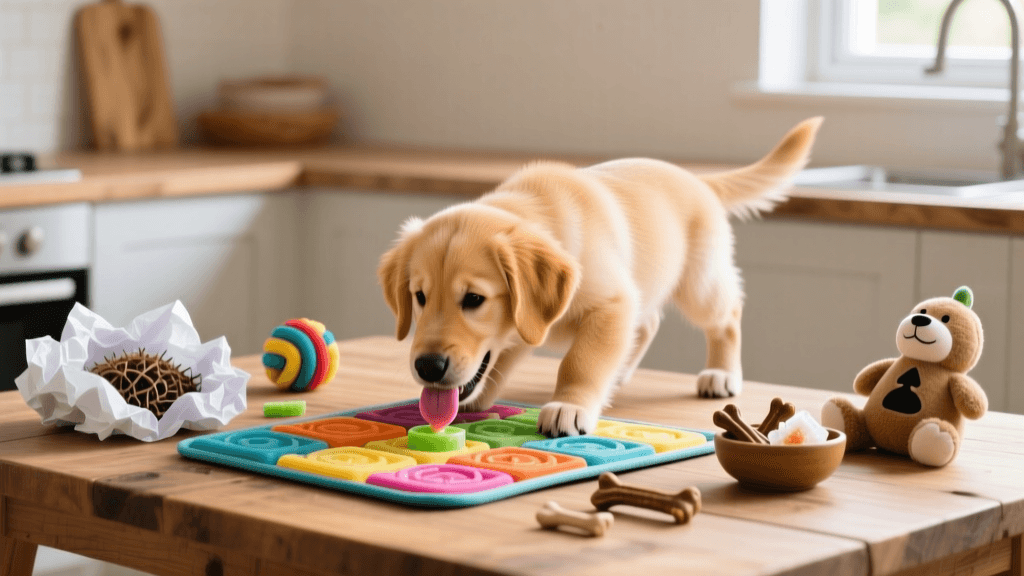
The teething phase, which typically spans from three to six months of age, is notorious for destroyed furniture and baseboards. Puppies need appropriate outlets for their chewing urges and boundless energy, especially when left alone in a playpen. While traditional frozen Kongs are excellent, smart interactive toys provide a modern layer of mental stimulation.
Interactive Smart Toys
Devices like the Cheerble Smart Ball (approximately $45) are self-rolling, obstacle-avoiding toys that keep puppies engaged in independent play. These toys utilize randomized movement patterns to mimic prey, triggering your puppy's natural chase instincts without requiring your constant physical involvement. According to the Centers for Disease Control and Prevention (CDC), providing adequate physical and mental exercise is a fundamental component of responsible dog ownership that reduces behavioral issues and promotes overall well-being. Pairing a smart toy with a durable, non-toxic rubber chew toy ensures your puppy has both mental and physical relief during the painful teething window.
Final Thoughts on Equipping Your Puppy
Investing in smart gear during your puppy's first year is not about replacing your presence; it is about enhancing your ability to manage their safety, health, and training schedules. A GPS tracker provides peace of mind when the front door is left ajar, a smart camera helps you shape positive crate habits from afar, and an automated feeder ensures their digestive system stays regulated for easier potty training. By selecting the right equipment and understanding how to calibrate it to your puppy's specific developmental needs, you set the foundation for a well-adjusted, safe, and happy adult dog. Remember to regularly update firmware, clean all food-dispensing components, and always supervise your puppy when introducing new electronic toys to prevent accidental ingestion of small parts.
hannah-wickes
All our authors care for dogs every day — read more of their work on the authors page.