Top Puppy Starter Gear: Essential Crates, Beds, and Bowls
Discover the best puppy starter gear with our expert buyer's guide. We review top crates, beds, and bowls to help you prepare your home for a new dog.
Welcome Home: Why the Right Gear Matters
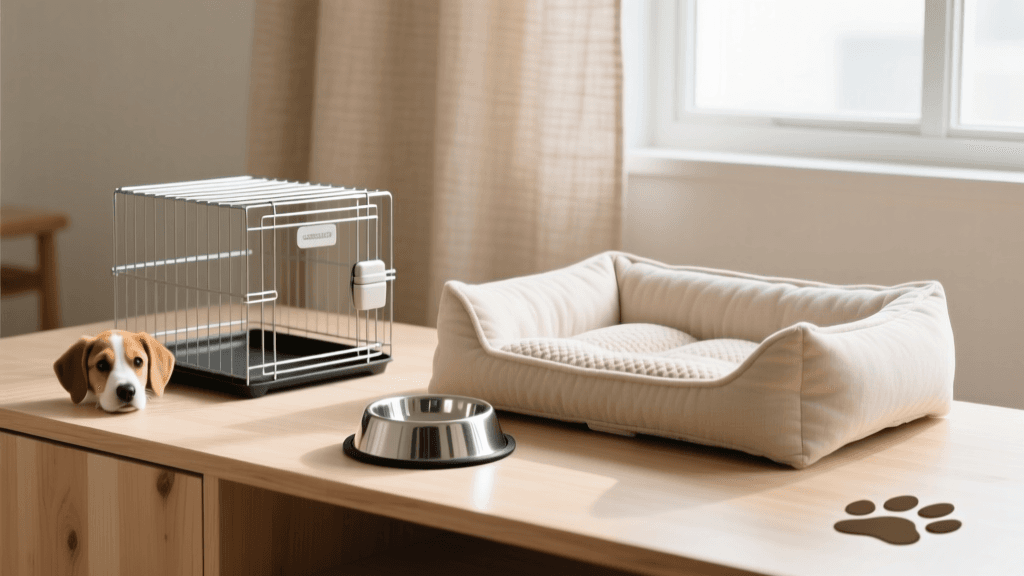
Bringing a new puppy or adopted dog home is a thrilling milestone, but it also requires careful preparation. The transition from a shelter, breeder, or foster home to your living room can be overwhelming for a dog. Having the right equipment ready before their paws touch your floor is crucial for establishing routines, ensuring safety, and promoting long-term behavioral health. In this comprehensive buyer's guide, we break down the essential puppy starter gear you need, reviewing the best crates, beds, and bowls on the market to help you make informed, budget-friendly decisions.
The Best Puppy Crates for Safe Confinement
Crate training is one of the most foundational elements of raising a well-adjusted dog. According to The Humane Society of the United States, a crate provides a safe haven for your dog and taps into their natural denning instincts, making housetraining significantly easier. When selecting a crate, you must consider your dog's projected adult size, your living space, and your travel needs.
1. Wire Crates: The Versatile Standard
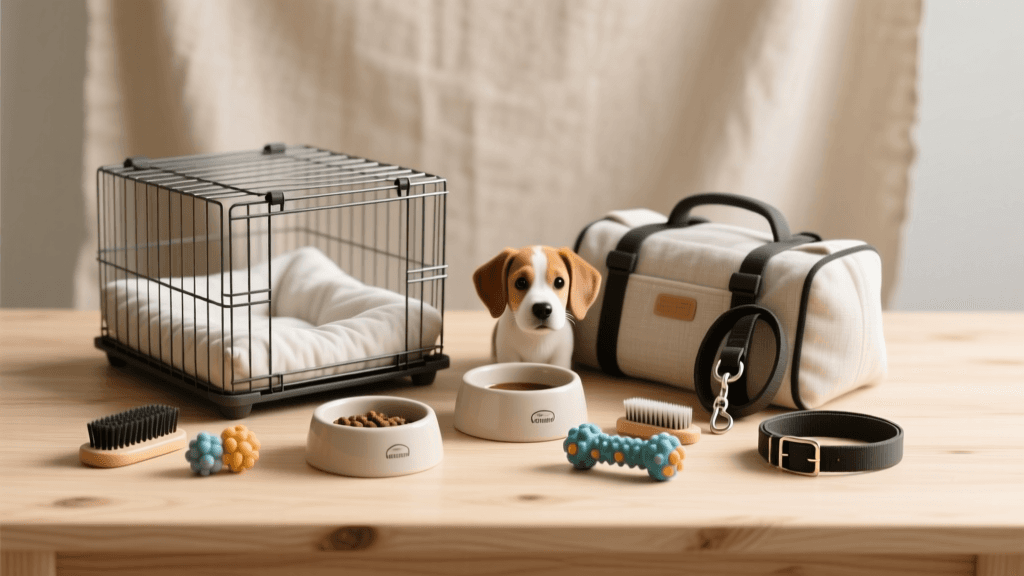
Wire crates, such as the highly rated MidWest Homes for Pets iCrate, are the gold standard for indoor use. They offer excellent visibility and ventilation, which helps prevent puppies from feeling isolated. Most wire crates come with a divider panel, allowing you to adjust the interior space as your puppy grows. This is critical because a crate that is too large can encourage a puppy to eliminate in one corner and sleep in the other. For medium-to-large breeds, look for a 36-inch or 42-inch crate with heavy-duty steel and a secure double-latch door.
2. Plastic Crates: The Travel and Den Choice
Plastic crates, like the Petmate Sky Kennel, provide a more enclosed, den-like atmosphere that many anxious dogs prefer. They are also the preferred choice for air travel and car trips, as they offer more structural protection than wire crates. The solid walls block out visual stimuli, which can help an overstimulated puppy settle down faster during nap times.
3. Soft-Sided Crates: For Supervised Lounging
Soft-sided crates made of canvas and mesh are lightweight and portable, making them great for outdoor events or visiting friends. However, they are not recommended for teething puppies or dogs with separation anxiety, as they can be easily chewed through and destroyed.
| Crate Type | Best For | Pros | Cons | Avg Cost |
|---|---|---|---|---|
| Wire Crate | Indoor use, housetraining | Great ventilation, foldable, divider panels | Heavy, visually obtrusive | $40 - $90 |
| Plastic Crate | Travel, anxious dogs | Den-like feel, airline approved, easy to clean | Poor airflow in hot weather, bulky | $35 - $80 |
| Soft-Sided | Supervised outings, small breeds | Ultra-lightweight, collapsible | Not chew-proof, difficult to sanitize | $25 - $60 |
Top Puppy Beds for Rest and Joint Support
Puppies require an astonishing 18 to 20 hours of sleep per day to support their rapid physical and cognitive development. Providing a dedicated, comfortable sleep space prevents them from claiming your furniture and gives them a predictable place to decompress.
Bolster Beds for Security
Puppies often miss the physical warmth and boundaries of their littermates. Bolster beds, which feature raised, padded edges, provide a sense of security and a built-in pillow. The FurHaven Plush & Suede Orthopedic Bolster Bed is a fantastic, budget-friendly option. The raised edges support the puppy's neck, and the plush center soothes tired muscles. Ensure the cover is machine-washable, as accidents are inevitable during the first few months.
Elevated Cot Beds for Temperature Control
If you live in a warm climate or have a thick-coated breed like a Husky or Golden Retriever, an elevated cot bed is a game-changer. Brands like Coolaroo or K&H Pet Products offer mesh cot beds that allow air to circulate beneath the dog, preventing overheating. Furthermore, the taut mesh surface is highly resistant to chewing and digging, making it an incredibly durable choice for destructive teething phases.
Orthopedic Beds for Large and Giant Breeds
While a memory foam bed might seem like overkill for an 8-week-old Labrador, large breeds grow rapidly and are prone to joint issues like hip dysplasia. Investing in a high-density orthopedic bed early on ensures their developing joints are properly supported. Look for beds with at least 4 inches of solid memory foam, rather than shredded foam, which tends to flatten out quickly.
Essential Food and Water Bowls
The material and shape of your dog's bowls play a surprisingly large role in their health and hygiene. Avoid cheap plastic bowls at all costs; they harbor bacteria in microscopic scratches and can cause contact dermatitis (puppy acne) on your dog's chin.
Stainless Steel: The Hygienic Champion
Stainless steel bowls, such as those from OurPets or Basis Pet, are the top recommendation among veterinarians. They are non-porous, dishwasher safe, and virtually indestructible. Look for bowls with a non-skid rubber ring on the base to prevent the bowl from sliding across the kitchen floor while your hungry puppy eats.
Slow Feeders for Gulping Puppies
If your puppy inhales their food in seconds, they are at risk for choking, vomiting, and poor digestion. Slow feeder bowls, like the Outward Hound Fun Feeder, feature raised ridges and mazes that force the dog to work for their kibble, slowing their eating pace by up to 10 times. This also provides excellent mental stimulation.
A Note on Raised Bowls and Bloat
While raised bowl stands were once thought to aid digestion, recent veterinary consensus warns against them for certain breeds. According to AKC's veterinary resources on gastric dilatation-volvulus (bloat), elevated feeders may actually increase the risk of bloat—a life-threatening stomach condition—in large, deep-chested breeds like Great Danes and German Shepherds. For these breeds, keep bowls on the floor. For small breeds or senior dogs with arthritis, a slightly raised stand is perfectly safe and ergonomic.
Must-Have Puppy Toys and Enrichment Gear
A tired puppy is a good puppy. Beyond physical exercise, dogs need mental enrichment to prevent destructive boredom. The American Kennel Club (AKC) highly recommends using food-dispensing toys to build positive associations with alone time and crate training.
- The KONG Classic: This durable red rubber toy is a staple for a reason. You can stuff it with a mixture of kibble, plain yogurt, and pumpkin puree, then freeze it overnight. This provides a long-lasting, soothing chew session that relieves teething pain.
- Snuffle Mats: These fabric mats mimic the act of foraging in the wild. By hiding dry treats deep within the fleece strips, you engage your puppy's powerful sense of smell. Ten minutes of sniffing can be as mentally tiring as an hour-long walk.
- Interactive Puzzle Toys: Brands like Nina Ottosson offer tiered puzzle boards that teach dogs how to slide, lift, and spin compartments to reveal treats, fostering problem-solving skills.
Budgeting for Your Puppy Starter Kit
Preparing for a new dog requires a financial investment. Here is a realistic breakdown of what you should budget for your initial starter gear:
- Wire Crate (with divider): $50 - $80
- Machine-Washable Bed: $35 - $70
- Stainless Steel Bowls (Set of 2): $20 - $35
- Slow Feeder Bowl: $15 - $25
- Enrichment Toys (KONG, Snuffle Mat): $30 - $50
- Adjustable Collar and 6-Foot Leash: $25 - $40
- Enzymatic Stain and Odor Remover: $15 - $20
Total Estimated Initial Gear Cost: $190 - $320
Final Thoughts on Preparing Your Home
Investing in high-quality, appropriately sized gear from day one saves you money and frustration in the long run. By selecting a versatile wire crate, a supportive and washable bed, and hygienic stainless steel bowls, you are setting the stage for a smooth transition. Remember that every dog is an individual; observe how your new companion interacts with their gear, and be prepared to adjust your setup as their personality and needs evolve. Welcome to the incredible journey of dog ownership!
aaron-whyte
All our authors care for dogs every day — read more of their work on the authors page.