Best Puppy Crates: The Ultimate Buyer's Guide for New Owners
Discover the best puppy crates for new dog owners. Compare wire, plastic, and soft-sided crates with sizing guides, costs, and expert training tips.

Why a Crate is Non-Negotiable for New Puppy Owners
Bringing home a new puppy is one of the most exciting milestones in a dog owner's life. However, amidst the excitement of picking out toys and premium kibble, many first-time owners overlook the single most important piece of equipment they will ever buy: a dog crate. A crate is not a cage; it is a vital tool for potty training, safety, and providing your new dog with a secure den-like sanctuary.
According to the American Kennel Club (AKC), crate training is one of the most effective methods for housebreaking a puppy. Dogs have a natural instinct to avoid soiling their sleeping quarters. By utilizing a properly sized crate, you leverage this instinct to teach bladder control. Furthermore, when you cannot actively supervise your new puppy, a crate prevents them from chewing on hazardous household items like electrical cords or toxic houseplants, saving you from expensive emergency vet visits.
The Golden Rule of Crating: A crate should always be your puppy's private sanctuary and a place of positive reinforcement. It must never be used as a place of isolation or punishment.
How to Measure Your Puppy for the Perfect Fit
One of the most common mistakes new buyers make is purchasing a crate based solely on their dog's estimated adult weight. A crate that is too large will allow your puppy to designate one corner for sleeping and another for eliminating, completely defeating the purpose of potty training. Conversely, a crate that is too small will cause physical discomfort and anxiety.
The Measurement Formula
To find the ideal dimensions, grab a soft measuring tape and measure your puppy (or use the breed's average adult dimensions if buying for a growing pup):
- Length: Measure from the tip of the nose to the base of the tail (do not include the tail itself). Add 2 to 4 inches.
- Height: Measure from the floor to the top of the head (or the tips of the ears if they stand erect). Add 2 to 4 inches.
- Width: Ensure the crate is wide enough for the dog to comfortably turn around in a full circle without their shoulders hitting the sides.
Buyer's Tip: If you are adopting a puppy that will grow into a large adult dog (like a Labrador Retriever or German Shepherd), purchase an adult-sized wire crate (usually 36 to 42 inches) that includes an adjustable divider panel. This allows you to expand the living space as your puppy grows, saving you from buying multiple crates over the first year.
Crate Types Compared: Which Material is Best?
The market is flooded with different crate styles. Choosing the right material depends on your puppy's temperament, your living situation, and your travel plans. Below is a comprehensive comparison chart to help you decide.
| Crate Type | Best For | Durability | Average Cost | Pros & Cons |
|---|---|---|---|---|
| Wire | Potty training, home use, high-ventilation needs | High | $50 - $100 | Pros: Folds flat, excellent visibility, includes dividers. Cons: Heavy, visually intrusive, drafts can occur. |
| Plastic | Airline travel, anxious dogs needing a den feel | Medium-High | $70 - $150 | Pros: Cozy den feel, IATA airline compliant, easy to clean. Cons: Poor ventilation in hot weather, takes up space. |
| Soft-Sided | Fully trained older pups, car rides, camping | Low | $40 - $80 | Pros: Lightweight, portable, aesthetically pleasing. Cons: Easily destroyed by teething puppies, not for potty training. |
| Heavy-Duty | Escape artists, severe separation anxiety | Extremely High | $200 - $600 | Pros: Indestructible, secure latches. Cons: Very expensive, extremely heavy. |
Top 3 Puppy Crates on the Market (Tested & Reviewed)
1. Best Overall Wire Crate: MidWest Homes for Pets Ultima Pro
The MidWest Ultima Pro is widely considered the gold standard for wire crates. Unlike cheaper, flimsy wire models that bend under pressure, the Ultima Pro is constructed from heavy-gauge, rust-resistant steel. It features two doors (front and side), allowing you to place the crate in various room layouts. The slide-bolt latches are secure enough to keep clever paws locked inside, and the included divider panel is essential for growing puppies. A 36-inch model (ideal for adult dogs 40-70 lbs) typically retails between $70 and $90, making it an exceptional long-term investment.
2. Best Plastic/Travel Crate: Petmate Sky Kennel
If you plan to fly with your puppy or if your dog prefers a darker, more enclosed den environment, the Petmate Sky Kennel is a top-tier choice. It meets most IATA airline cargo requirements (always verify with your specific airline before booking). It features a secure vault-locking door, tie-down strap holes, and a durable plastic shell that is easy to hose down if your puppy has an accident during transit. The 28-inch intermediate size costs around $85 and is perfect for breeds like Beagles or Cocker Spaniels.
3. Best Soft-Sided Option: EliteField 3-Door Folding Soft Dog Crate
A crucial warning: do not buy a soft-sided crate for a teething, untrained puppy. They will chew through the mesh and escape. However, once your dog is fully potty-trained and past the destructive chewing phase (usually around 12-18 months), the EliteField Soft Crate is fantastic for travel and hotel stays. It features three mesh doors for cross-ventilation, a removable fleece bed, and a carrying bag. It retails for about $50 and is incredibly lightweight.
Essential Crate Accessories to Add to Your Cart
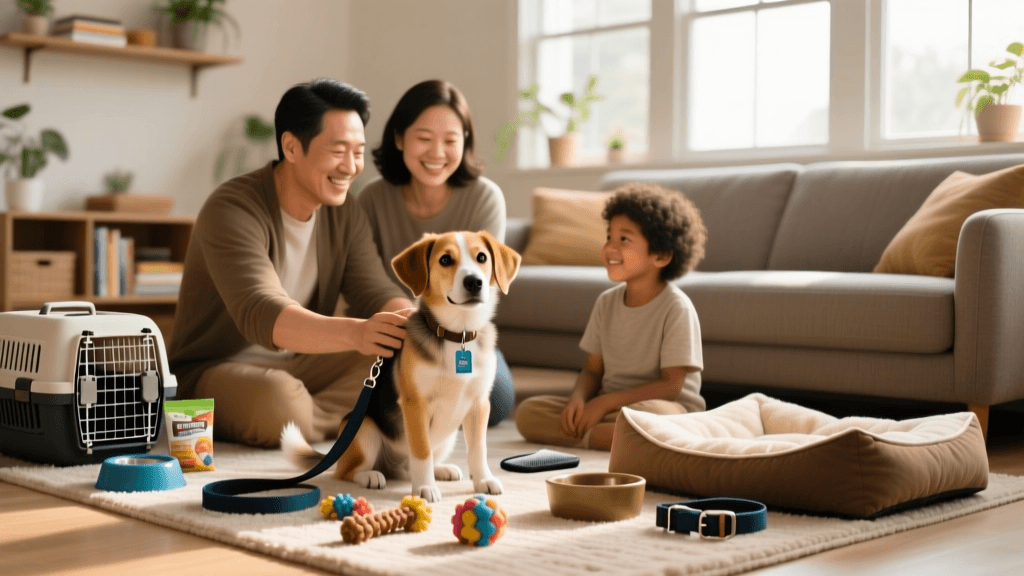
The crate itself is just the foundation. To ensure your puppy associates the crate with comfort and positive experiences, you need to outfit it correctly. Here are the must-have accessories for day one:
- SmartPetLove Snuggle Puppy ($35): This plush toy features a battery-operated, pulsing heartbeat and a heat pack. It mimics the feeling of sleeping next to littermates, drastically reducing nighttime whining and separation anxiety for newly adopted puppies.
- KONG Classic Rubber Toy ($15 - $20): Stuff this durable rubber toy with puppy-safe peanut butter or plain yogurt and freeze it. Giving this to your puppy when you close the crate door teaches them that 'crate time equals delicious treat time' and keeps them occupied for up to an hour.
- MidWest Crate Cover ($25): Wire crates can be visually overstimulating. A fitted, breathable cover blocks out light and drafts, signaling to your puppy that it is time to sleep.
- Stainless Steel Clip-On Bowl ($10): Avoid leaving loose water bowls in the crate, as puppies will inevitably spill them and sit in wet bedding. A clip-on bowl attaches securely to the wire mesh.
Expert Rules for Humane Crate Training
Buying the right crate is only half the battle; using it humanely is the other. The ASPCA strongly advises against using a crate as a substitute for proper exercise, socialization, and training. Puppies have tiny bladders and developing joints; excessive confinement can lead to urinary tract issues, muscle atrophy, and severe behavioral problems.
The Bladder Control Formula
A general rule of thumb endorsed by The Humane Society of the United States and veterinary behaviorists is the 'Age Plus One' rule. A puppy can generally hold their bladder for their age in months, plus one hour. For example, a 2-month-old puppy can hold it for roughly 3 hours. However, this is a maximum limit, not a daily goal. Puppies need to be taken out immediately after waking up, after every meal, and after vigorous play sessions.
Never leave a puppy under 6 months of age in a crate for more than 3 to 4 hours at a time during the day. If you work full-time, you must arrange for a dog walker, a trusted neighbor, or a pet sitter to provide mid-day potty breaks and exercise. A crate is a management tool, not a babysitter.
Final Thoughts on Your Crate Investment
When preparing your home for a new dog, allocating a budget of $80 to $150 for a high-quality crate and essential accessories is one of the smartest financial decisions you can make. A sturdy, properly sized wire crate with a divider panel will serve your dog from their first clumsy nights at home through their adult years. By pairing the right equipment with patience, positive reinforcement, and a consistent potty schedule, you will set your new puppy up for a lifetime of confidence, security, and excellent house manners.
tom-renshaw
All our authors care for dogs every day — read more of their work on the authors page.