What you need to buy before bringing a dog home
A practical, prioritised shopping list — essentials, near-essentials, and the things you can wait to buy once you know the dog.
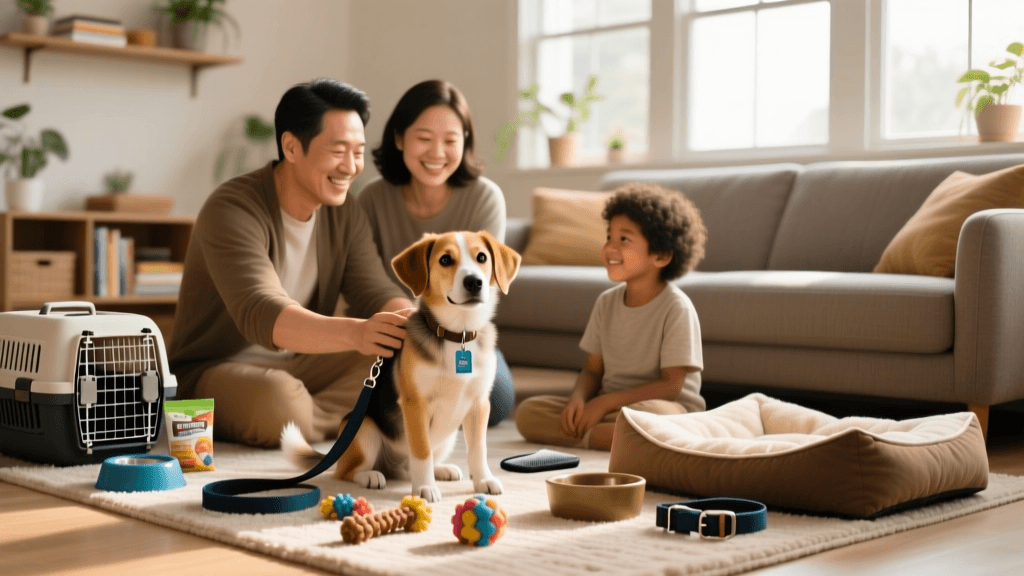
Getting Ready Before Your Dog Arrives
Bringing a dog home is one of the most rewarding decisions you can make, but the weeks before that first day matter enormously. Dogs — especially rescues — arrive carrying stress, uncertainty, and sometimes trauma. How well-prepared your home is on day one shapes how quickly they settle, how safe they feel, and how smoothly you bond. Most new owners underestimate the preparation window. Veterinarians at the Blue Cross animal welfare charity recommend starting your setup at least two weeks before your dog's arrival date, not two days.
This article walks through every category of essential purchase, with realistic cost estimates, timelines, and honest input from owners who've been through it — some smoothly, some not.
The Real Cost of Getting Started
Before listing individual items, it helps to understand the financial picture. According to the American Pet Products Association (APPA) 2023–2024 National Pet Owners Survey, first-year dog ownership costs in the United States average between $1,000 and $3,500 depending on breed size, location, and whether the dog comes from a rescue or a breeder. In the UK, the PDSA Animal Wellbeing (PAW) Report 2023 found that 43% of dog owners underestimated their first-year costs by at least £500.
Breaking that down into setup costs alone — before food, vet bills, or training classes — most owners spend between $300 and $700 in the first month on equipment and supplies. Knowing this upfront prevents the panic-buying that leads to poor choices.
"I thought I'd spent enough. I'd bought a bed, a lead, and a bowl. Then Biscuit arrived and I realised I had no stair gate, no crate, no enzymatic cleaner, and no idea what size collar she needed. I spent £180 in the first 48 hours just catching up." — Rachel T., rescue dog owner, Manchester
Containment and Safety Equipment
Your first priority is controlling your dog's environment. This isn't about restriction — it's about preventing accidents, protecting your belongings, and giving your dog a manageable space to decompress in. A dog that has access to an entire house on day one is overwhelmed, not free.
Crates and Pens
A wire or plastic crate sized appropriately for your dog is one of the most important purchases you'll make. The crate should be large enough for your dog to stand, turn around, and lie stretched out — but not so large that a puppy can toilet in one corner and sleep in another. For a medium-sized dog (around 20–30 kg), a 36-inch crate is typically appropriate.
Expect to spend $50–$120 for a quality wire crate. Fabric crates are cheaper but unsuitable for dogs that chew or haven't yet been crate-trained. Exercise pens (x-pens) are a useful addition for creating a larger safe zone in a living room — these run $60–$100 for a sturdy metal version.
Baby Gates and Door Barriers
Pressure-mounted stair gates work for most dogs and cost $30–$60. If you have a large or powerful breed, invest in a wall-mounted gate ($60–$100) that won't be knocked loose. You'll likely need at least two: one for the stairs and one to block off a kitchen or utility room.
Feeding and Hydration Essentials
Food and water bowls seem obvious, but the details matter. Stainless steel bowls are the gold standard — they don't harbour bacteria the way plastic does, they're dishwasher-safe, and they last years. Ceramic bowls are fine if they're lead-free and chip-free. Avoid plastic entirely for dogs prone to skin reactions around the muzzle.
For large or deep-chested breeds such as German Shepherds, Great Danes, or Standard Poodles, a raised feeding station (elevating bowls to chest height) is often recommended to reduce strain during eating. The link between raised feeders and bloat (GDV) in giant breeds is still debated, so consult your vet before purchasing.
- Stainless steel bowl set (2 bowls): $10–$25
- Raised feeding station: $25–$60
- Slow feeder bowl (for fast eaters): $12–$20
- Automatic water dispenser or fountain: $25–$50
- Airtight food storage container (for dry kibble): $15–$35
On the food itself: find out what your dog has been eating before they arrive — from the rescue centre, breeder, or previous owner — and buy a supply of that exact food. Switching foods immediately adds digestive stress on top of environmental stress. If you want to transition to a different diet, do it gradually over 7–10 days using a 75/25, then 50/50, then 25/75 blend.
Bedding, Comfort, and Den Space
Dogs sleep between 12 and 14 hours a day on average, and the quality of their rest directly affects their behaviour, trainability, and stress levels. A proper bed isn't a luxury — it's a health item.
Choosing the Right Bed
For puppies and young dogs, avoid expensive orthopedic beds initially. They will almost certainly be chewed. Start with a washable, durable flat mat or a basic bolster bed ($20–$40) and upgrade once your dog has demonstrated they won't destroy it. For senior dogs or breeds prone to joint issues (Labradors, Golden Retrievers, larger breeds generally), a memory foam orthopedic bed is worth the $60–$150 investment from the start.
Place the bed inside or adjacent to the crate so the dog associates both spaces with rest and safety. Add an item of your worn clothing — a t-shirt you've slept in — to the bed on day one. Your scent is calming to a dog in an unfamiliar environment.
Calming Aids for the First Weeks
Pheromone diffusers such as Adaptil (DAP) release synthetic versions of the calming pheromone mother dogs produce. Plugging one in near your dog's sleeping area 48 hours before arrival and keeping it running for the first 30 days is a low-effort, evidence-supported way to reduce anxiety. A starter kit costs around $25–$40. The Dogs Trust, the UK's largest dog welfare charity, includes pheromone diffusers in their recommended settling-in toolkit for newly rehomed dogs.
Walking and Outdoor Gear
You'll need walking equipment before your dog arrives, not after. Getting a collar, ID tag, lead, and harness sorted in advance means you're not scrambling on day one when your dog needs their first toilet trip outside.
| Item | Recommended Type | Approximate Cost | Notes |
|---|---|---|---|
| Collar | Flat buckle or quick-release | $10–$25 | Must fit: two fingers between collar and neck |
| ID tag | Engraved metal | $5–$15 | Legally required in the UK under the Control of Dogs Order 1992 |
| Standard lead | 4–6 ft nylon or leather | $10–$30 | Avoid retractable leads for training |
| Harness | Y-front or H-style | $20–$50 | Reduces pressure on trachea; essential for pullers |
| Long line | 15–30 ft biothane or nylon | $15–$35 | For recall training in open spaces |
| Poop bags | Biodegradable rolls | $10–$15 for 200+ | Buy more than you think you need |
Measure your dog's neck and chest girth before purchasing a harness if possible. If you're adopting from a rescue centre, staff can usually provide measurements. Many rescues — including those operated through the RSPCA's rehoming network across England and Wales — will send you a basic information sheet with your dog's measurements and current equipment sizes.
Cleaning Supplies You Cannot Skip
Accidents happen. Even a fully house-trained adult dog will have at least one indoor accident in the first week due to stress, unfamiliar surroundings, or a disrupted routine. Being unprepared for this is one of the most common mistakes new owners make.
The single most important cleaning product is an enzymatic cleaner. Standard household cleaners — including bleach — do not break down the urine proteins that dogs can smell even after the visible stain is gone. If a dog can smell a previous accident spot, they're far more likely to use it again. Enzymatic cleaners like Nature's Miracle or Simple Solution use biological enzymes to fully neutralise the odour at a molecular level. A 32 oz bottle costs $10–$15 and is worth every cent.
- Blot (don't rub) fresh urine with paper towels to absorb as much as possible
- Apply enzymatic cleaner generously and let it sit for 10–15 minutes
- Blot again and allow to air dry completely — do not steam clean over enzymatic cleaner as heat deactivates the enzymes
- Keep your dog away from the area until fully dry
Beyond enzymatic cleaner, stock up on: a handheld carpet cleaner or wet-dry vacuum ($40–$80), washable waterproof mattress protectors for any furniture your dog will access, and a lint roller for every room. If you have a shedding breed, a rubber grooming glove ($10–$15) used during petting sessions dramatically reduces loose hair around the house.
Toys, Enrichment, and Mental Stimulation
A bored dog is a destructive dog. Mental stimulation is as important as physical exercise — in many cases more so. A 30-minute sniff walk where a dog is allowed to follow their nose provides more genuine tiredness than a 60-minute on-lead march at human pace.
Before your dog arrives, prepare a small selection of toys across different categories rather than buying 20 of the same type. You won't know your dog's preferences until they arrive, so start with variety and observe what they engage with.
- Chew toys: Rubber Kongs, Nylabones, or bully sticks — essential for stress relief and jaw exercise
- Tug toys: Rope toys or rubber tug rings — great for bonding and energy release
- Puzzle feeders: Snuffle mats, lick mats, or food-dispensing toys — slow feeding and mental engagement
- Soft toys: One or two plush toys for comfort — choose ones without small parts that can be swallowed
Stuff a Kong with your dog's regular kibble mixed with a small amount of peanut butter (xylitol-free) or plain yogurt and freeze it the night before arrival. A frozen Kong given during the first hour in your home gives your dog something to focus on, reduces anxiety, and creates a positive association with their new space. It costs almost nothing and works remarkably well.
Grooming Basics From Day One
Even if your dog won't need a professional groom for months, handling their paws, ears, and mouth from the first week builds tolerance for grooming that pays dividends for the rest of their life. Dogs that are never handled as new arrivals often become difficult or distressed at the groomer or vet.
At minimum, purchase a soft-bristle brush or slicker brush appropriate for your dog's coat type ($10–$20), nail clippers or a scratch board ($10–$15), dog-safe ear cleaning solution ($8–$12), and a finger toothbrush with dog-safe toothpaste ($5–$10). You don't need to use all of these immediately — but having them and introducing them gradually, paired with treats, is far easier than trying to introduce grooming tools to a dog that has learned to distrust handling.
According to the American Veterinary Dental Society, over 80% of dogs show signs of periodontal disease by age three. Daily tooth brushing, started early, is the single most effective preventive measure — and it starts with getting your dog comfortable with having their mouth touched in the first weeks at home.
Beth Carrasco
All our authors care for dogs every day — read more of their work on the authors page.