Best Pet Cameras to Understand Dog Separation Anxiety
Discover the best pet cameras to monitor and understand your dog's separation anxiety. Compare top models to decode behavior while you are away.
The Psychology Behind Separation Anxiety
Dogs are deeply social, pack-oriented animals that thrive on companionship and routine. When left alone, some experience profound psychological distress that goes far beyond simple boredom. Understanding the root of this distress is the first step toward helping your canine companion. According to the ASPCA, separation anxiety is triggered when a dog becomes intensely upset because of separation from their guardians, often resulting in destructive behavior, excessive vocalization, and house soiling.
It is a common misconception that dogs act out of spite when they chew up furniture or scratch at doors. In reality, these are panic responses. The psychology behind this behavior is rooted in a state of hyper-arousal and fear. To truly understand your dog and develop an effective behavioral modification plan, you must observe them in their most vulnerable state: when they believe they are entirely alone. This is where modern pet technology transitions from a simple luxury to an essential diagnostic tool for canine behaviorists and dedicated owners alike.
Why Visual Data is Crucial for Behavioral Diagnosis
How do you know what your dog does when you leave the house? Relying solely on the aftermath—a knocked-over trash can or a scratched doorframe—only tells half the story. It does not tell you when the behavior started, how long it lasted, or what body language preceded the panic. By utilizing a high-quality pet camera, you can map your dog's behavioral timeline, identify pre-departure triggers, and distinguish between true separation anxiety, isolation distress, and simple under-stimulation.
Top Pet Cameras for Canine Behavioral Observation
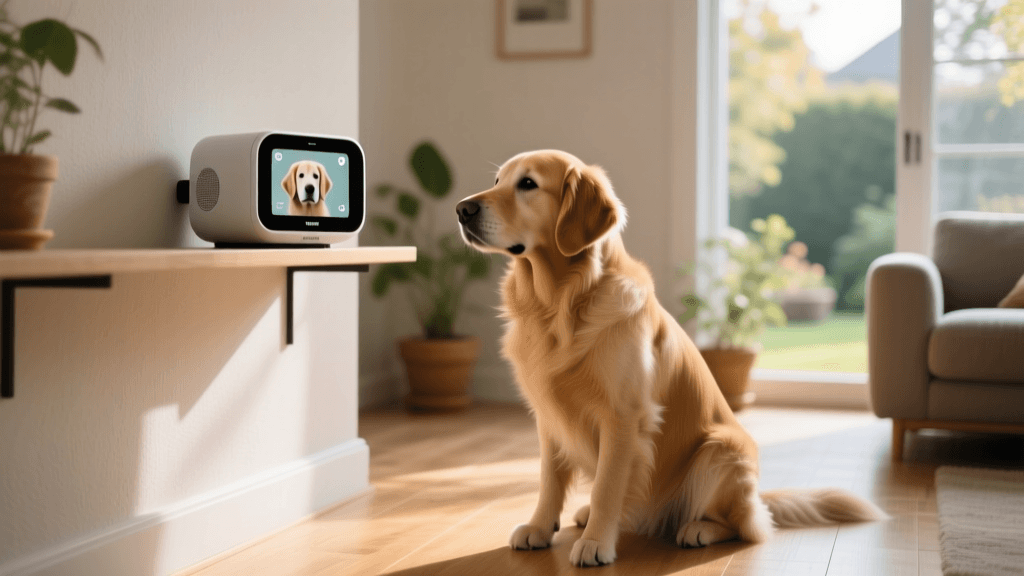
When selecting a camera for behavioral analysis, standard home security cameras often fall short. You need features tailored to canine observation, such as bark alerts, treat-tossing capabilities for counter-conditioning, and wide-angle lenses to track pacing patterns. Below are our top reviewed models specifically chosen for understanding dog behavior.
1. Furbo 360 Dog Camera: Best for Pacing and Vocalization Tracking
The Furbo 360 is engineered specifically with canine behavior in mind. Its most valuable feature for behavioral analysis is the rotating 360-degree view and auto-tracking. Anxious dogs rarely sit still; they pace in repetitive circles or follow the owner's scent trail around the room. The auto-tracking feature allows you to observe the full scope of this stereotypic pacing behavior without losing sight of your dog.
Furthermore, the Furbo's smart bark alerts are highly sensitive and can be reviewed via timeline clips. This helps you determine the exact onset of vocalization. Does your dog bark the second the door closes, indicating immediate panic? Or do they bark 45 minutes later in response to outdoor stimuli, which suggests reactivity rather than separation anxiety? The built-in treat tosser also allows you to interrupt mild stress cycles remotely, though it should be used carefully to avoid reinforcing frantic behavior.
2. Wyze Cam v3: Best for Budget-Friendly Sleep and Routine Analysis
While not marketed exclusively to pet owners, the Wyze Cam v3 is a favorite among veterinary behaviorists for its exceptional starlight night vision and continuous recording capabilities. Understanding a dog's rest patterns is a critical, often overlooked component of behavioral health. Chronically anxious dogs suffer from fragmented sleep and hyper-vigilance, even when you are home or asleep in the next room.
The Wyze Cam allows you to monitor your dog's sleep cycles and resting heart rate (observable via chest movements on high-definition zoom). It also features sound detection alerts for whining or crying. Because it is highly affordable, behaviorists often recommend placing multiple Wyze cameras in different rooms to map out a dog's spatial preferences and avoidance behaviors when left alone.
3. Petcube Bites 2 Lite: Best for Interactive Counter-Conditioning
Counter-conditioning is a foundational psychological technique used to change a dog's emotional response to being left alone. The Petcube Bites 2 Lite excels here with its reliable, app-controlled treat dispensing mechanism and two-way audio. The camera allows you to speak to your dog in a calm, reassuring tone, while the treat tosser rewards moments of quiet relaxation.
From a behavioral standpoint, the Petcube helps you practice 'departure desensitization.' You can leave the house, watch your dog's body language via the app, and dispense a high-value treat the moment they settle onto their mat, thereby rewiring their brain to associate your absence with positive outcomes rather than impending doom.
Feature Comparison Chart for Behavioral Tracking
| Feature | Furbo 360 | Wyze Cam v3 | Petcube Bites 2 Lite |
|---|---|---|---|
| Field of View | 360° Rotating | 130° Fixed | 160° Fixed |
| Treat Tossing | Yes (Adjustable) | No | Yes (Fixed) |
| Vocalization Alerts | Bark Specific | General Sound | Sound Alerts |
| Night Vision | Infrared (B&W) | Starlight (Color) | Infrared (B&W) |
| Behavioral Use Case | Pacing & Panic Mapping | Sleep & Spatial Analysis | Counter-Conditioning |
| Approximate Cost | $200 - $250 | $50 - $60 | $150 - $180 |
Decoding the Footage: What Your Dog's Body Language Tells You
Having the footage is only the first step; knowing how to interpret your dog's body language is where true understanding begins. The American Kennel Club notes that identifying the subtle, early signs of distress is vital for creating an effective desensitization protocol. When reviewing your camera footage, look for these specific psychological indicators:
- Pre-Departure Cues: Does your dog begin panting, yawning, or lip-licking when you put on your shoes or pick up your keys? These are calming signals and early indicators of rising cortisol levels before you even leave.
- Whale Eye and Pinned Ears: If your dog is staring at the door with the whites of their eyes showing (whale eye) and their ears pinned back, they are in a state of active fear and anticipation of abandonment.
- Destructive Focus: Note where the destruction happens. Scratching at the door frame or window sills indicates escape-seeking behavior driven by panic. Chewing up a bed or couch may indicate a need to self-soothe or a redirection of frustrated energy.
- The Shake-Off: If your dog does a full-body shake after a period of pacing, they are attempting to physically discharge built-up adrenaline and tension. This is a crucial transition point to watch for on camera.
Creating a Behavioral Baseline
Before implementing any training protocols, use your chosen camera to establish a baseline. Record your dog for three to five standard departures. Note the exact minute your dog begins to show signs of stress, the peak of their anxiety, and how long it takes for them to habituate or exhaust themselves into a restless sleep. This data is invaluable. If your dog panics exactly four minutes after you leave, your initial training sessions must involve stepping out for only two minutes to keep them under their anxiety threshold.
Integrating Camera Data with Behavioral Modification
Treating separation anxiety requires a multi-modal approach. As highlighted by Fear Free Happy Homes, combining environmental management, behavioral modification, and sometimes veterinary-prescribed anti-anxiety medication yields the best results. Your pet camera acts as the ultimate accountability partner in this process.
For example, if you are using a Kong stuffed with frozen peanut butter to keep your dog occupied, the camera will tell you if the food enrichment is actually working. If your dog ignores the food and immediately begins pacing, their anxiety has overridden their appetite—a clear sign that the psychological distress is severe and requires professional intervention. Conversely, if they engage with the toy and eventually fall asleep, you have successfully found a positive coping mechanism.
When to Seek Professional Behavioral Help
While cameras and buyer guides can equip you with the right tools, severe separation anxiety can lead to self-injury, such as broken teeth from chewing on crates or torn nails from digging at doors. If your camera footage reveals self-harm, non-stop vocalization for hours, or complete refusal to eat high-value treats when alone, it is time to consult a Certified Applied Animal Behaviorist (CAAB) or a veterinary behaviorist. You can share your camera clips directly with these professionals, providing them with the exact visual data they need to prescribe a targeted, compassionate behavioral therapy plan. Understanding your dog is the ultimate act of love, and sometimes, that understanding requires looking through a lens to see the world from their perspective.
jonas-cole
All our authors care for dogs every day — read more of their work on the authors page.