Best Pet Cameras to Understand Canine Separation Anxiety
Discover the best pet cameras to monitor and understand your dog's separation anxiety, body language, and behavior while you are away from home.
Why Monitor Your Dog? The Psychology of Separation Anxiety
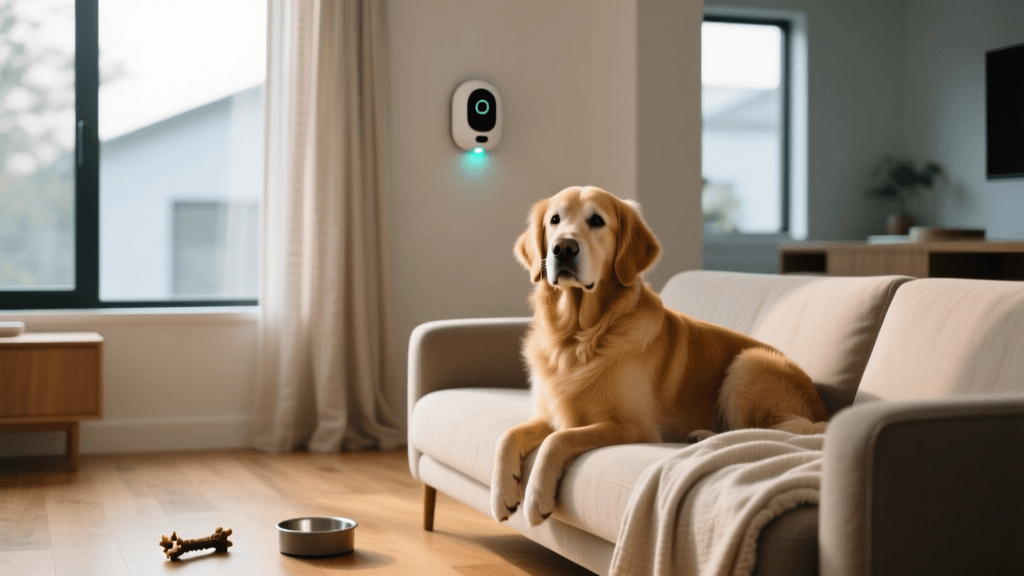
Leaving your dog alone at home can be a source of immense guilt and worry for pet parents. While many dogs sleep peacefully until their owners return, others experience profound psychological distress. Understanding your dog's behavior when left alone is the first step toward addressing issues like separation anxiety, boredom, or territorial stress. According to the ASPCA, separation anxiety is triggered when a dog becomes upset because of separation from their guardians, often manifesting in destructive behaviors, vocalization, or inappropriate elimination.
To truly understand your dog's mental state, you need more than just a quick glance at a destroyed couch cushion upon returning home. You need to observe the process of their behavior. Do they pace frantically for the first twenty minutes and then settle? Do they stare fixedly at the front door, exhibiting signs of hyper-vigilance? Or do they engage in joyful, independent play? A high-quality pet camera acts as a window into your dog's psyche, allowing you to gather the data necessary to tailor a behavioral modification plan or simply find peace of mind.
Key Features to Look for in a Behavior-Tracking Camera
When shopping for a pet camera from a behavioral perspective, standard security features are not enough. You need tools that help you interpret canine body language and communication signals. Look for the following features:
- High-Definition Video and Night Vision: Essential for spotting subtle stress signals like lip-licking, yawning, or whale-eye (showing the whites of the eyes), which are often missed on low-resolution feeds.
- Two-Way Audio: Allows you to test how your dog responds to your voice. Does hearing you calm them down, or does it trigger frantic searching and increased frustration?
- AI Behavior Alerts: Advanced cameras can differentiate between normal movement, vomiting, crying, and anxious pacing, sending you targeted notifications.
- Treat Tossing: Useful for counter-conditioning exercises, allowing you to reward calm behavior remotely.
Top Pet Cameras for Understanding Canine Behavior
1. Furbo 360° Dog Camera
The Furbo 360° is widely considered the gold standard for pet parents focused on behavioral monitoring. Priced around $210, its standout feature is the rotating 360-degree panoramic view. This is crucial for understanding spatial anxiety. Dogs with separation anxiety often pace in circles or follow the owner's departure route. The Furbo's AI technology includes specific 'Dog Activity Alerts' that notify you if your dog is pacing, barking, or staring at the camera. The treat-tossing feature allows you to engage in remote positive reinforcement, rewarding your dog the moment they lie down on their mat instead of scratching at the door.
2. Petcube Bites 2 Lite
Retailing at approximately $150, the Petcube Bites 2 Lite offers excellent 1080p video quality and a built-in treat dispenser. From a psychological standpoint, the Petcube app includes a 'Vet Chat' feature and integrates with pet trainers. If you observe your dog exhibiting strange repetitive behaviors (like shadow chasing or flank sucking), you can quickly consult a professional via the app. The camera also features a laser pointer. While this can be used for play, behaviorists often use it to observe a dog's prey drive and frustration tolerance, helping to diagnose obsessive-compulsive tendencies in high-energy herding breeds.
3. Wyze Cam v3
For budget-conscious owners, the Wyze Cam v3 (around $35) is a phenomenal entry-level tool for behavioral observation. While it lacks treat tossing and dedicated pet AI, its color night vision and precise sound detection are invaluable. Many dogs hide in dark spaces, like under beds or inside crates, when they are terrified. The Wyze's low-light capabilities allow you to see your dog's body posture in these hiding spots. Furthermore, the sound detection can be calibrated to alert you specifically to the sound of whining or howling, helping you map out the exact timeline of your dog's vocal distress after you leave.
Comparison Chart: Best Cameras for Behavior Monitoring
| Camera Model | Approx. Price | Resolution | Key Behavioral Feature | Best For |
|---|---|---|---|---|
| Furbo 360° | $210 | 1080p HD | AI Pacing & Activity Alerts | Tracking spatial anxiety and pacing routes |
| Petcube Bites 2 Lite | $150 | 1080p HD | Integrated Vet/Trainer Access | Real-time behavioral consultations |
| Wyze Cam v3 | $35 | 1080p HD | Color Night Vision & Sound Detection | Observing hiding behaviors and vocalization |
How to Use Camera Footage to Understand Dog Body Language
Once your camera is set up, the real work begins: interpreting what you see. The ASPCA's guide to canine body language highlights that dogs communicate primarily through physical posturing. When reviewing your camera footage, look for these specific stress indicators:
- Displacement Behaviors: If your dog is suddenly scratching, sniffing the ground intensely, or yawning when no one is around, these are often displacement behaviors indicating internal conflict or stress.
- Hyper-Vigilance: A dog sitting rigidly by the window or door, ears pinned forward, ignoring toys and treats, is in a state of high arousal and anxiety. They are 'guarding' the exit point in anticipation of your return.
- Destructive Focus: According to the American Kennel Club (AKC), destruction related to separation anxiety is usually focused on exit points (doors, windows, gates) or items that smell strongly of the owner. If your camera shows your dog ignoring the trash can but obsessively chewing the doorframe, this confirms separation distress rather than simple boredom or scavenging.
Expert Tips for Easing Anxiety Based on Camera Observations
Understanding the behavior is only half the battle; applying that knowledge is where the camera truly shines. Use your pet camera to implement systematic desensitization and counter-conditioning.
1. The Departure Desensitization Protocol: Dogs often become anxious during 'pre-departure cues' (putting on shoes, grabbing keys). Use your camera to watch your dog while you are still home. Pick up your keys, then sit back down on the couch. Watch the screen. Does your dog pant or follow you? Repeat this until the camera shows your dog remaining relaxed on their bed when you grab your keys. Only then should you progress to opening the door.
2. Remote Counter-Conditioning: If your camera has a treat-tossing feature, use it to change your dog's emotional response to being alone. Wait until the camera shows your dog in a relaxed state (e.g., lying on their side, breathing normally). Toss a high-value treat. This teaches the dog that being alone and relaxed results in positive outcomes, slowly rewiring their psychological association with your absence.
3. Identifying the 'Threshold': Review the timestamps on your footage. Does your dog panic immediately upon your departure, or do they hold it together for two hours before a trigger (like the mail carrier arriving) sends them into a panic? Knowing your dog's exact time threshold allows you to hire a dog walker or return home before the anxiety peaks, preventing the rehearsal of panicked behaviors.
Conclusion
Investing in a pet camera is an investment in your relationship with your dog. By bridging the gap between human perception and canine psychology, these devices allow us to see the world from our dogs' perspective. Whether you opt for the advanced AI tracking of the Furbo, the professional connectivity of the Petcube, or the budget-friendly night vision of the Wyze, the goal remains the same: to understand, empathize with, and ultimately support your dog's emotional well-being when you cannot be by their side.
hannah-wickes
All our authors care for dogs every day — read more of their work on the authors page.