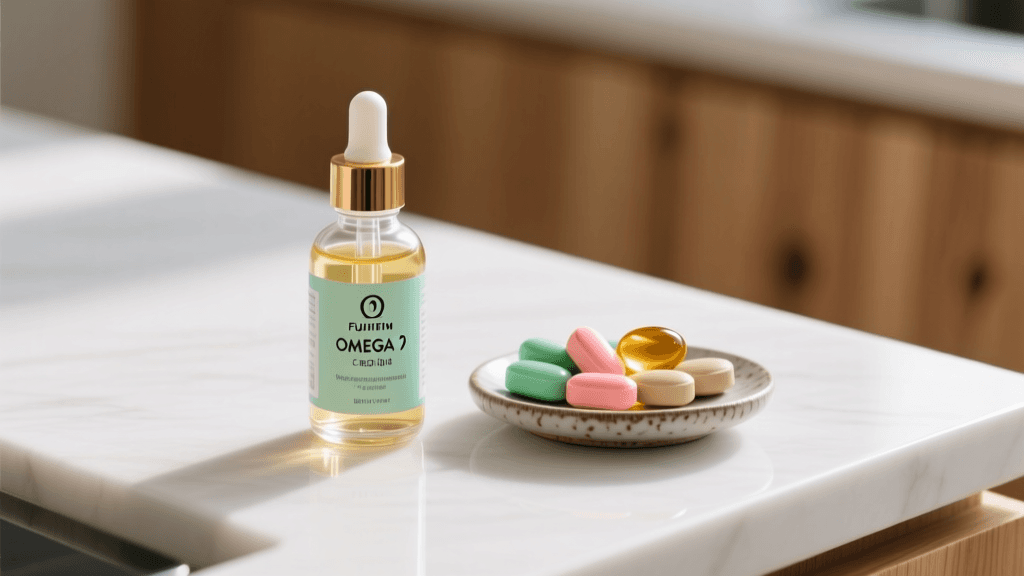
Best Omega-3 Dog Supplements 2026: Liquid vs Soft Chews
Discover the best Omega-3 supplements for dogs in 2026. We compare liquid fish oil pumps and soft chews for joint health, coat shine, and daily dosing.
Integrating Omega-3 into Your Dog's Daily Life in 2026
Life with a dog is a journey of shared routines, from morning walks to evening cuddles. As pet parents, we are constantly looking for ways to enhance our dogs' daily wellness, and few nutritional additions have proven as transformative as Omega-3 fatty acids. In 2026, the pet supplement market has evolved significantly, offering more bioavailable, sustainably sourced, and convenient options than ever before. Whether you are managing a senior dog's joint stiffness, soothing a puppy's itchy skin, or simply promoting cognitive health, understanding how to seamlessly integrate Omega-3 into your dog's daily routine is essential.
However, with the sheer volume of products on the shelves, choosing the right format can be overwhelming. The two most popular delivery methods dominating the 2026 market are liquid pump oils and soft chews. In this comprehensive guide, we will break down the science of Omega-3, compare the top formats, and provide actionable advice on how to make this supplement a stress-free part of your dog's everyday life.
The Biological Role of EPA and DHA in Canine Health
Omega-3 fatty acids are essential fats, meaning your dog's body cannot produce them on its own; they must be obtained through diet. The two most critical marine-derived Omega-3s for dogs are Eicosapentaenoic Acid (EPA) and Docosahexaenoic Acid (DHA). According to the Tufts Cummings Veterinary Medical Center, these fatty acids play a pivotal role in modulating inflammation, supporting cellular membrane health, and promoting neurological development.
- EPA (Eicosapentaenoic Acid): Primarily responsible for managing systemic inflammation. It is the go-to fatty acid for dogs suffering from osteoarthritis, allergic dermatitis, and inflammatory bowel conditions.
- DHA (Docosahexaenoic Acid): Crucial for brain and eye development in puppies, and vital for maintaining cognitive function in aging dogs. It helps stave off canine cognitive dysfunction (doggie dementia).
While plant-based sources like flaxseed contain Alpha-linolenic acid (ALA), dogs are notoriously inefficient at converting ALA into the active EPA and DHA forms. Therefore, direct marine or algae-based sources are the gold standard for canine supplementation in 2026.
Liquid Pumps vs. Soft Chews: The 2026 Showdown
When sharing your life with a dog, convenience and palatability are just as important as nutritional efficacy. The debate between liquid fish/algae oil pumps and Omega-3 soft chews is a common one in multi-pet households. Below is a detailed comparison of how these formats stack up against each other in the current market.
| Feature | Liquid Pump Oils (Fish/Algae) | Omega-3 Soft Chews | Traditional Capsules |
|---|---|---|---|
| EPA/DHA Concentration | Very High (Pure oil extract) | Moderate (Limited by chew size) | High (Concentrated oil) |
| Absorption Rate | Rapid (Pre-emulsified in stomach) | Moderate (Requires breakdown of matrix) | Slow (Capsule must dissolve first) |
| Palatability | High (Enhances kibble flavor) | Very High (Treat-like appeal) | Low (Often hidden in food) |
| Dosing Precision | Excellent (Adjustable by pump) | Poor (Fixed dose per chew) | Poor (Fixed dose per capsule) |
| Shelf Life & Storage | Requires refrigeration after opening | Shelf-stable, cool dry place | Shelf-stable, cool dry place |
| Best Suited For | Large breeds, therapeutic dosing, picky eaters | Small/Medium breeds, training rewards, travel | Dogs that readily swallow pills |
Why Liquid Pumps are Winning in 2026
For dogs requiring therapeutic doses of Omega-3—such as a Golden Retriever with hip dysplasia—liquid pumps are overwhelmingly recommended by veterinary nutritionists. The 2026 iterations of liquid pumps feature advanced nitrogen-flushed bottling and UV-blocking glass, which drastically reduces oxidation (the process that makes fish oil rancid). A single pump can deliver upwards of 1,000 mg of combined EPA/DHA, whereas a dog would need to consume multiple soft chews to reach the same therapeutic threshold, potentially leading to unnecessary caloric intake.
Calculating the Correct Dosage for Your Dog
One of the most common mistakes pet owners make is under-dosing Omega-3, leading to a lack of visible results. The World Small Animal Veterinary Association (WSAVA) emphasizes that dosing should be based on metabolic body weight rather than simple linear weight. However, for general daily wellness and mild joint support, a standard baseline is highly effective.
Here is a practical 2026 dosing guide for combined EPA/DHA based on your dog's weight:
- Small Dogs (10 - 25 lbs): 250 mg - 500 mg combined EPA/DHA daily.
- Medium Dogs (26 - 50 lbs): 500 mg - 1,000 mg combined EPA/DHA daily.
- Large Dogs (51 - 90 lbs): 1,000 mg - 1,500 mg combined EPA/DHA daily.
- Giant Breeds (90+ lbs): 1,500 mg - 2,500+ mg combined EPA/DHA daily.
Pro Tip for Multi-Dog Households: If you have a Great Dane and a Chihuahua, a liquid pump is your best friend. You can easily adjust the number of pumps for each dog's specific bowl, whereas soft chews force you to buy multiple different products or break treats into messy fractions.
The 2026 Shift: Sustainable Algae vs. Wild-Caught Fish
A major conversation in the dog care community this year revolves around sustainability. Historically, fish oil was harvested from wild anchovies and sardines. While effective, overfishing concerns have pushed the industry toward innovation. In 2026, marine algae oil has emerged as a premium, eco-friendly alternative.
Algae is the original source of Omega-3s in the marine food chain (fish get their Omega-3s by eating algae). Modern fermentation processes now allow manufacturers to extract pure, high-DHA algae oil without depleting ocean ecosystems. Furthermore, the U.S. Food and Drug Administration (FDA) continuously monitors heavy metal contamination in animal supplements. Algae oil, grown in controlled, closed-loop bioreactors, inherently avoids the microplastics and heavy metals sometimes found in deep-ocean fish stocks, making it an incredibly safe choice for daily, long-term use.
Practical Tips for Daily Routine Integration
Adding a new supplement to your dog's life shouldn't feel like a chore. Here is how to seamlessly weave Omega-3 into your daily routine:
- The Kibble Coating Technique: If you feed dry kibble, pump the liquid oil directly over the food and add a tablespoon of warm water. Stir vigorously. This creates a savory, fatty 'broth' that coats every piece of kibble, preventing your dog from eating the food and leaving the oil at the bottom of the bowl.
- Raw and Fresh Food Diets: For dogs on raw or gently cooked diets, add the Omega-3 oil after the food has been prepared and cooled. Heat can degrade the delicate fatty acids, so never cook or microwave the oil.
- Storage Habits: Keep your liquid pump in the refrigerator door. The cold temperature not only preserves the oil but also makes the thick liquid pump more smoothly. Make it a habit to grab the bottle every time you open the fridge for your dog's meal prep.
Troubleshooting Common Issues: Fishy Burps and Digestive Upset
While Omega-3 is generally very well tolerated, introducing high doses of fat too quickly can lead to loose stools or 'fishy breath.' To avoid this, implement a two-week transition period. Start with 25% of the target dose for the first three days, increase to 50% for the next four days, and gradually reach the full dose by day 14. This allows your dog's gallbladder and digestive enzymes to adapt to the increased lipid load.
If your dog experiences fishy burps, consider switching to an enteric-coated capsule or an algae-based soft chew, which bypasses the stomach and dissolves in the intestines. Alternatively, a dash of digestive enzyme powder mixed with the oil can aid in fat breakdown.
Signs Your Dog's Omega-3 Routine is Working
Consistency is the cornerstone of life with a dog, and Omega-3 supplementation is a long-term investment, not a quick fix. You should begin to notice tangible changes within 6 to 12 weeks of consistent daily dosing. Look out for these positive indicators:
- Coat and Skin: A noticeable reduction in dander, less scratching, and a softer, more lustrous undercoat.
- Mobility: Senior dogs may show increased willingness to jump into the car or climb stairs, indicating reduced joint inflammation.
- Focus and Calm: Many owners report a subtle improvement in their dog's ability to focus during training sessions, linked to DHA's support of neurological pathways.
By selecting the right format, calculating the precise dose, and prioritizing sustainable sourcing, you can ensure that Omega-3 becomes a powerful, effortless pillar of your dog's daily wellness routine in 2026 and beyond.
hannah-wickes
All our authors care for dogs every day — read more of their work on the authors page.