Best Family Dogs for Toddlers: Breeds, Prep, Safety
Discover the best dog breeds for toddlers, essential home prep gear, and safety tips to ensure a harmonious bond between your young kids and new dog.
Why Age and Temperament Matter When Choosing a Family Dog
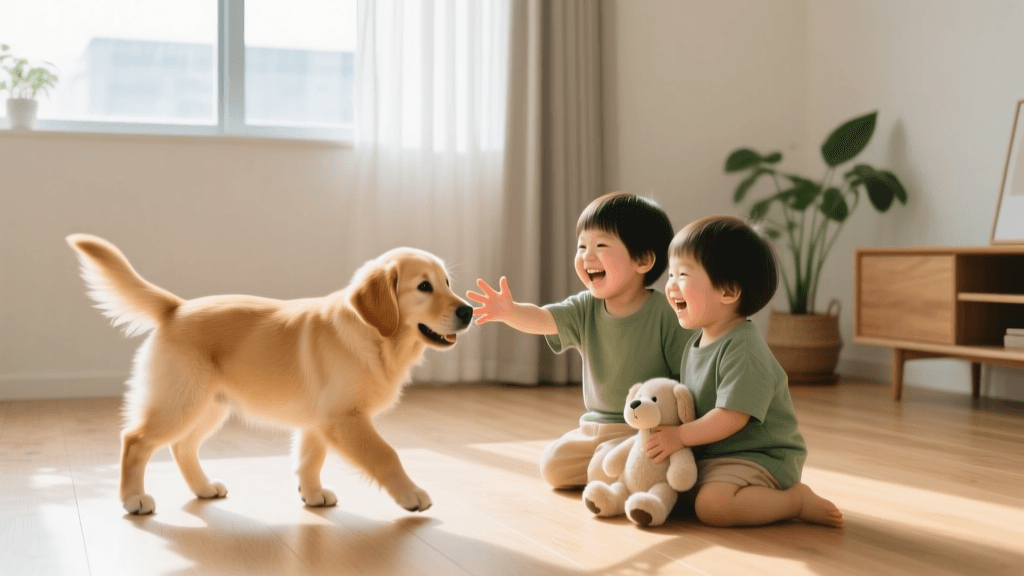
Bringing a new dog into a household with toddlers and young children is a beautiful, life-changing decision, but it requires careful planning. Unlike older children, toddlers are unpredictable. They move erratically, drop food, make high-pitched noises, and lack the motor skills to gently pet an animal. Therefore, the ideal family dog for a home with young kids must possess a high startle threshold, a forgiving nature, and a sturdy build.
When evaluating potential breeds or rescues, you must look beyond the 'cute factor' and focus on temperament, energy levels, and size. A fragile toy breed might be easily injured by a clumsy toddler, while an overly energetic working breed might accidentally knock a small child over. The goal is to find a canine companion that views the chaos of a toddler's world with patience rather than anxiety.
Top 5 Dog Breeds for Families With Toddlers
While every dog is an individual, certain breeds have been historically selected for traits that align well with family life. Below is a comparison chart of five highly recommended breeds for homes with young children.
| Breed | Adult Weight | Energy Level | Grooming Needs | Toddler Compatibility |
|---|---|---|---|---|
| Golden Retriever | 55-75 lbs | High | High | Excellent |
| Labrador Retriever | 55-80 lbs | High | Medium | Excellent |
| Beagle | 20-30 lbs | Medium-High | Low | Very Good |
| Boxer | 50-80 lbs | High | Low | Good (Needs Training) |
| Bichon Frise | 12-18 lbs | Medium | High | Very Good |
1. Golden Retriever
Goldens are the gold standard for family dogs. They are eager to please, incredibly patient, and sturdy enough to handle a toddler's clumsy hugs. Their primary drawback is their need for daily exercise and heavy shedding, requiring a commitment to daily brushing and at least 60 minutes of active play.
2. Labrador Retriever
Labs share many traits with Goldens but have a shorter, easier-to-maintain coat. They are famously food-motivated, which makes training a breeze, but you must be vigilant about toddlers dropping snacks, as Labs will inhale anything they find on the floor.
3. Beagle
For families wanting a smaller, sturdy hound, the Beagle is a fantastic choice. They are pack-oriented and love company. However, their strong sense of smell means they will follow their noses out an open door, so secure fencing and toddler-proof door latches are mandatory.
4. Boxer
Boxers are playful, affectionate, and deeply bonded to their families. They are known as the 'clowns' of the dog world and will happily engage in toddler-level play. Because they are muscular and bouncy, early obedience training is crucial to prevent them from jumping up on small children.
5. Bichon Frise
If you need a smaller, hypoallergenic option, the Bichon Frise is cheerful, gentle, and less fragile than other toy breeds. They require professional grooming every 4 to 6 weeks (budget around $60-$90 per session), but their joyful disposition makes them wonderful companions for young kids.
Puppy vs. Adult Rescue: Making the Right Choice
Many families assume a puppy is the best choice so they can 'raise it with the kids.' However, puppies are essentially toddlers themselves. They have sharp teeth, boundless energy, and require months of intensive potty and bite-inhibition training. The 'landshark' phase of a puppy can be overwhelming for parents already managing a human toddler.
Conversely, adopting an adult rescue dog (aged 2 to 5 years) from a foster-based organization allows you to select a dog with a proven, tested temperament around children. Foster parents can tell you if the dog is bothered by loud noises or sudden movements. Financially, an adult rescue adoption fee typically ranges from $250 to $400 and includes spay/neuter and vaccinations, whereas a puppy's first-year veterinary costs can easily exceed $800.
Essential Home Preparation and Gear
Before bringing your new dog home, you must set up physical boundaries to ensure both the dog and the toddler have safe spaces to decompress. Here is a shopping list of essential, actionable gear:
- Walk-Through Pet Gate: Purchase the Carlson Extra Wide Walk-Through Pet Gate (fits openings 29-39 inches wide, approx. $45). This allows adults to pass through easily while keeping the dog out of the toddler's playroom or the kitchen during meal prep.
- Heavy-Duty Crate: The MidWest Homes for Pets Ultima Pro Double Door Crate (36-inch for medium breeds, approx. $70) serves as the dog's bedroom. Teach your toddler from day one that the crate is a 'no-touch' zone.
- Interactive Toys: The KONG Classic Dog Toy (Red, Medium size, approx. $15) stuffed with peanut butter and frozen keeps the dog occupied while you attend to your child's needs.
- Calming Aid: The Snuggle Puppy Heartbeat Stuffed Toy (approx. $40) mimics the heartbeat of a littermate and is excellent for soothing a new rescue dog during its first few nights.
The First 7 Days: A Family Integration Timeline
Do not expect instant harmony. Follow this timeline to manage expectations and reduce stress:
- Days 1-2 (Decompression): Keep interactions brief. The dog will likely sleep a lot as it processes the environmental change. Keep toddlers at a distance and use the pet gate to allow the dog to observe the household safely.
- Days 3-4 (Routine Building): Establish feeding, walking, and potty schedules. Begin supervised, short interactions where the toddler practices 'gentle touches' on the dog's back, guided by an adult's hand.
- Days 5-7 (Bonding and Boundaries): Introduce structured play. Practice recall commands using high-value treats. Ensure the dog has at least two hours of completely uninterrupted alone time in its safe zone daily.
Establishing Safety Rules and Boundaries
According to the Centers for Disease Control and Prevention (CDC), children are the most common victims of dog bites, and these incidents frequently occur in the home with familiar dogs. Most bites happen because a child inadvertently startles a sleeping dog or invades its space while it is eating.
To mitigate this, implement the 'Be a Tree' method. Teach your toddler that if the dog becomes too excited or jumps on them, they should stand completely still, fold their branches (arms crossed), and look at their roots (feet). This removes the reward of attention and naturally calms the dog.
Furthermore, the American Academy of Pediatrics (AAP) strongly advises that parents never leave a baby or toddler alone with a dog, regardless of how gentle the pet's reputation may be. Supervision means active observation, not just being in the same room while looking at a smartphone.
Finally, respect the dog's need for rest. The American Veterinary Medical Association (AVMA) emphasizes that educating children about canine body language is a critical component of bite prevention. Teach your kids that a wagging tail does not always mean 'happy,' and that a dog turning its head away or licking its lips is asking for space. By fostering mutual respect and utilizing physical barriers like baby gates and crates, you lay the foundation for a lifelong, beautiful friendship between your child and your new dog.
jonas-cole
All our authors care for dogs every day — read more of their work on the authors page.