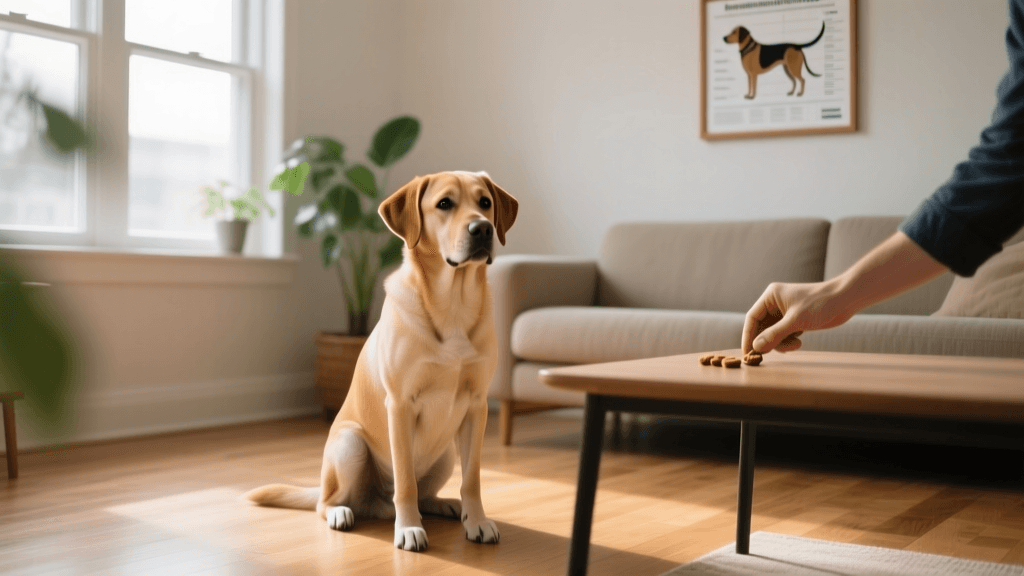
Best Dog Puzzle Toys for Cognitive Enrichment: Buyer's Guide
Discover how puzzle toys satisfy your dog's natural foraging instincts. Read our buyer's guide to the best cognitive enrichment toys for dogs.
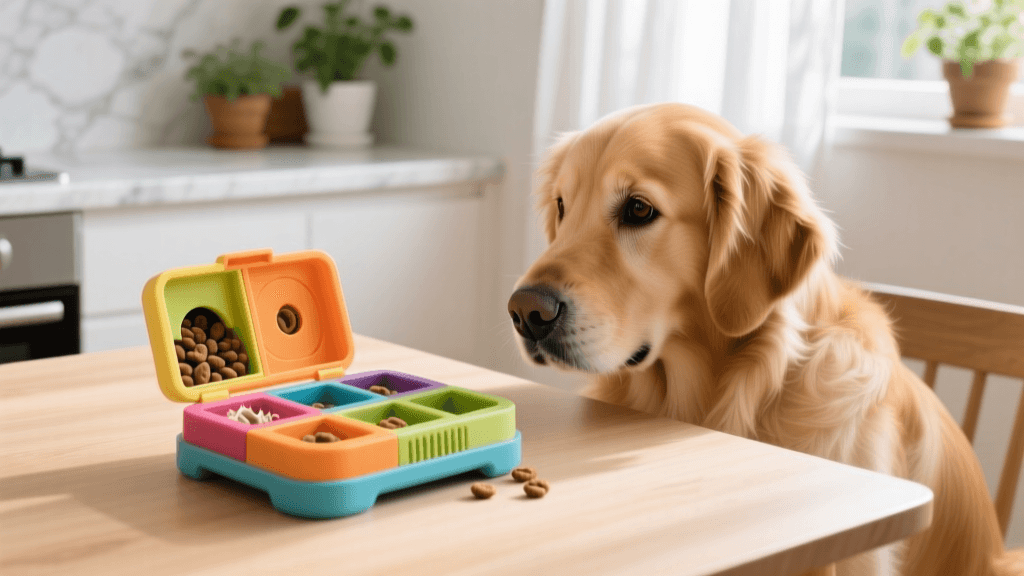
The Psychology of Foraging: Why Dogs Need to Work for Their Food
As pet parents, we often express our love by providing our dogs with a bowl full of kibble, readily available without any effort. While this is convenient for us, it fundamentally misunderstands canine psychology and breed instincts. In the wild, canines spend up to 80% of their waking hours foraging, hunting, and scavenging for food. When we remove this natural drive from their daily routine, we inadvertently create a vacuum of mental stimulation that often leads to boredom, anxiety, and destructive behaviors.
Understanding your dog means recognizing the phenomenon known as contrafreeloading. This is a well-documented behavioral concept where animals, including domestic dogs, actively prefer to work for their food even when identical free food is available right next to them. According to veterinary behaviorists, engaging a dog's natural foraging instincts through cognitive enrichment lowers their heart rate, reduces stress, and provides a profound sense of accomplishment. As noted by the American Kennel Club (AKC), mental enrichment tires a dog out just as effectively as a long physical walk, making puzzle toys an essential tool for modern dog ownership.
What to Look for in a Cognitive Enrichment Toy
Before investing in a puzzle toy, it is crucial to match the product to your dog's specific cognitive level, chewing style, and physical size. Here are the key factors to consider when shopping for canine brain games:
- Difficulty Progression: Just like humans, dogs can become frustrated if a task is too difficult, or bored if it is too easy. Look for brands that offer tiered difficulty levels (Beginner, Intermediate, Advanced).
- Material Safety and Durability: Ensure the toy is made from non-toxic, BPA-free, and phthalate-free materials. For aggressive chewers, avoid brittle plastics and opt for natural rubber or high-density proprietary polymers.
- Cleanability: Puzzle toys often hold wet food, peanut butter, or raw meaty bones. Toys that are dishwasher safe or have easily accessible crevices are vital for preventing bacterial growth and mold.
- Size and Choking Hazards: Always check the dimensions of the toy and any removable parts. Removable pegs or sliders must be significantly larger than your dog's throat to prevent accidental ingestion.
Top 4 Puzzle Toys for Canine Cognitive Enrichment
Based on behavioral science, durability testing, and overall value, here is our curated buyer's guide to the best puzzle toys on the market.
1. Outward Hound Dog Brick Interactive Puzzle (Intermediate)
The Dog Brick is a staple in the canine enrichment community. It features three distinct types of treat-hiding compartments: flip lids, sliding compartments, and removable bone-shaped pegs. This variety forces your dog to utilize different physical movements (pawing, nosing, and lifting) to access their reward.
- Dimensions: 12.5 x 9.5 x 2 inches
- Approximate Cost: $15.00 - $18.00
- Best For: Dogs who have mastered basic treat-dispensing balls and are ready for multi-step problem-solving.
- Pro Tip: To increase the difficulty, leave the bone pegs in place over the sliding compartments, forcing the dog to remove the peg before they can slide the cover.
2. The Classic KONG (Beginner to Intermediate)
While often viewed simply as a chew toy, the KONG Classic is one of the most effective cognitive enrichment tools when used correctly. Its unpredictable bounce satisfies the prey-drive instinct, while the hollow center allows for complex stuffing recipes that require intense focus and licking to extract.
- Dimensions: Varies by size (e.g., Medium is 3.5 x 2.25 x 2.25 inches)
- Approximate Cost: $14.00 - $22.00 (depending on size and rubber strength)
- Best For: Power chewers (using the black Extreme rubber) and dogs suffering from separation anxiety.
- Pro Tip: Create a 'KONGsicle' by layering kibble, plain greek yogurt, and low-sodium chicken broth, then freezing it overnight. The Tufts Cummings School of Veterinary Medicine highly recommends frozen food puzzles to extend feeding time and soothe teething puppies or anxious adults.
3. Nina Ottosson Dog Tornado (Advanced)
Nina Ottosson is the pioneer of canine puzzle games. The Dog Tornado features three rotating layers with treat compartments. The dog must spin the layers in alternating directions to align the openings and reveal the food. This requires advanced spatial awareness and sustained concentration.
- Dimensions: 10.2 x 10.2 x 3.1 inches
- Approximate Cost: $19.00 - $24.00
- Best For: Highly intelligent herding or working breeds (like Border Collies or German Shepherds) who quickly outsmart simpler toys.
- Pro Tip: Place the toy on a non-slip mat or towel. If the toy slides across the hardwood floor, the dog may use their paws to hold it down rather than learning the intended spinning mechanic.
4. West Paw Toppl (Beginner to Intermediate)
The Toppl is a modern marvel in enrichment design. It features inner prongs that hold treats and kibble securely, requiring the dog to work their tongue and paws to dislodge the food. Its most brilliant feature is the ability to interlock two different-sized Toppls together, creating a complex, sealed sphere.
- Dimensions: Small (3 x 3 x 3.5 inches) / Large (4 x 4 x 4.5 inches)
- Approximate Cost: $16.00 - $23.00
- Best For: Dogs who are frustrated by traditional puzzle boards, or owners who want a fully dishwasher-safe enrichment option.
- Pro Tip: Buy both the small and large sizes. Stuff the large one, seal it with the small one, and freeze it for an incredibly challenging, long-lasting treat that The Humane Society recommends for keeping dogs occupied while working from home.
Product Comparison Chart
| Product Name | Difficulty Level | Primary Material | Approx. Cost | Best Behavioral Use Case |
|---|---|---|---|---|
| Outward Hound Dog Brick | Intermediate | BPA-Free Plastic | $15 - $18 | Multi-step problem solving |
| Classic KONG | Beginner/Intermediate | Natural Rubber | $14 - $22 | Separation anxiety & chewing |
| Nina Ottosson Dog Tornado | Advanced | Composite Plastic | $19 - $24 | High-drive working breeds |
| West Paw Toppl | Beginner/Intermediate | Zogoflex Polymer | $16 - $23 | Food-motivated foraging |
Actionable Tips for Introducing Puzzle Toys
Understanding your dog's psychology means recognizing that frustration can quickly turn into toy destruction. To set your dog up for success, follow these actionable steps:
- Start Easy: When introducing a new puzzle, make the treats highly visible and incredibly easy to access. Let the dog win immediately to build confidence and associate the toy with positive rewards.
- Use High-Value Rewards: For advanced puzzles, standard dry kibble may not provide enough motivation. Use freeze-dried liver, small pieces of cheese, or smelly wet food to keep their drive high.
- Supervise and Rotate: Never leave a dog alone with a puzzle toy that has small, removable parts. Furthermore, practice 'toy rotation.' Keep two or three puzzles in the closet and swap them out weekly. This maintains the novelty factor and prevents cognitive burnout.
- Account for Calories: Puzzle toys often utilize high-calorie treats. The Tufts Cummings School of Veterinary Medicine advises subtracting the calories used in puzzle toys from your dog's daily meal allowance to prevent pet obesity.
A Final Note on Canine Psychology: Puzzle toys are not a replacement for physical exercise or human bonding; they are a supplement to a well-rounded lifestyle. By integrating cognitive enrichment into your dog's daily routine, you are honoring their ancestral instincts, reducing behavioral issues, and ultimately deepening the bond between you and your canine companion.
robin-maitland
All our authors care for dogs every day — read more of their work on the authors page.