Best Dog Cameras to Monitor and Understand Canine Behavior
Discover the best dog cameras to monitor separation anxiety and understand your pet's home behavior. Compare top smart pet cameras for behavior tracking.
The Hidden Life of Dogs: Why Behavior Monitoring Matters
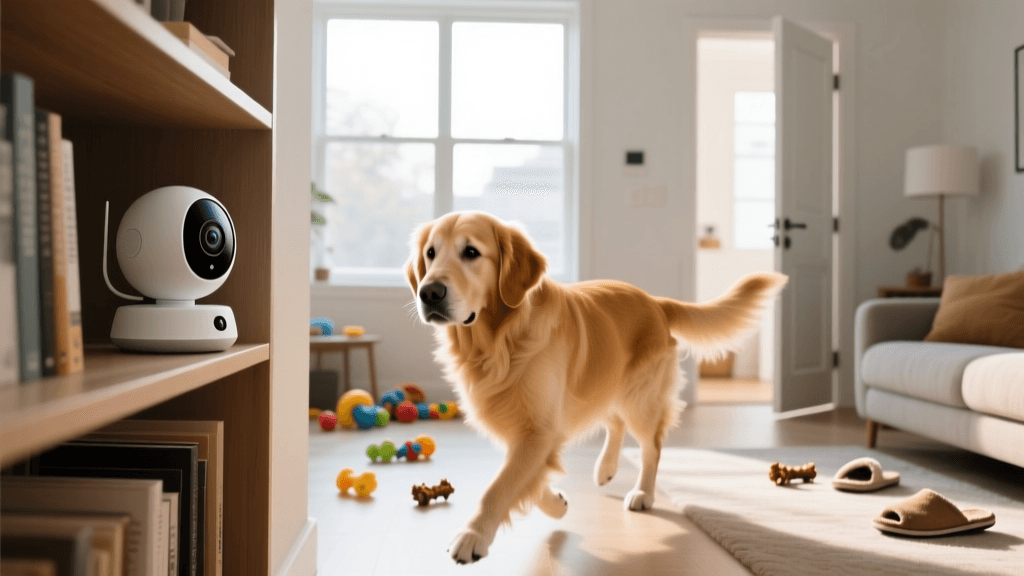
As dog owners, we often believe we know our pets inside and out. We understand their dinner-time zoomies, their favorite scratching spots, and the exact ear flick that means they want a walk. However, a massive gap in our understanding occurs the moment we walk out the front door. How does your dog truly behave when left alone? Are they sleeping peacefully, or are they silently struggling with stress?
In the field of canine psychology, the 'observer effect' is a well-documented phenomenon. Dogs are highly attuned to human presence and will often alter their behavior when we are in the room. To truly understand your dog's baseline emotional state, coping mechanisms, and potential behavioral issues like separation anxiety, you need to observe them in their natural, unobserved environment. This is where smart pet cameras transition from simple security devices to essential tools for canine behavioral observation.
In this buyer's guide, we review the best dog cameras on the market specifically through the lens of understanding your dog's psychology, tracking behavioral patterns, and implementing remote training protocols.
The Psychology of Being Alone: Isolation Distress vs. Separation Anxiety
Before investing in a camera, it is vital to understand what you are looking for. Many owners mistakenly label any unwanted alone-time behavior as 'separation anxiety.' However, veterinary behaviorists generally categorize alone-time distress into two distinct psychological profiles:
- Isolation Distress: The dog simply does not want to be alone and will exhibit mild whining or pacing. However, if a sitter arrives, or if they are moved to a different environment with another person, the dog quickly settles. They are distressed by the isolation, not specifically the absence of their primary owner.
- True Separation Anxiety: This is a severe panic disorder triggered specifically by the absence of a primary attachment figure. According to the ASPCA, dogs with true separation anxiety will often exhibit extreme behaviors like self-mutilation, excessive drooling, and destructive attempts to escape through doors or windows, regardless of whether another person or pet is present in the home.
A high-quality pet camera allows you to track the timeline of your dog's behavior. A dog with mild boredom might chew a pillow 30 minutes after you leave, whereas a dog with true separation anxiety will begin panting, pacing, and vocalizing within seconds of the door closing. Capturing this timeline is crucial for accurate behavioral assessment.
Must-Have Camera Features for Behavioral Observation
Not all smart home cameras are created equal when it comes to canine psychology. When shopping for a device to help you understand your dog, prioritize the following features:
1. 360-Degree Panning and Auto-Tracking
Dogs experiencing anxiety often engage in repetitive pacing patterns. A static camera with a narrow field of view will only capture a fraction of this behavior. A 360-degree pan/tilt/zoom (PTZ) camera, or one with AI auto-tracking, allows you to observe the full scope of your dog's pacing routes and identify 'stress zones' in your home.
2. Two-Way Audio with Tone Customization
Two-way audio is essential for testing your dog's response to your voice. Does hearing you speak through the camera calm them down, or does it cause them to frantically search the house for you, thereby increasing their frustration? Understanding this reaction is key to designing a desensitization protocol.
3. Treat Tossing Capabilities
For dogs suffering from mild boredom or isolation distress, treat-tossing cameras allow owners to engage in remote classical counter-conditioning. By pairing the sound of the camera with a high-value reward, you can begin to change your dog's emotional response to being left alone.
4. Bark and Activity Alerts
Quantifying behavior is just as important as observing it. Cameras that log the frequency and duration of barking or whining help you measure the effectiveness of your behavioral modification plans over time.
Top 3 Dog Cameras for Understanding Your Dog (Buyer's Guide)
1. Furbo 360° Dog Camera: Best for Tracking Pacing and Anxiety
Estimated Cost: $210 - $240
The Furbo 360° is widely considered the gold standard for pet owners dealing with separation anxiety. Its standout feature is the motorized 360-degree rotating base, which provides a complete view of the room. For a behavioral observer, this is invaluable. You can watch exactly where your dog chooses to rest, whether they are guarding the front door (territorial stress), or if they are pacing in circles (anxiety).
Behavioral Pros: The 'Dog Nanny' subscription feature records and compiles short clips of unusual activities, such as prolonged staring at walls or repetitive licking, which can be shared directly with a veterinary behaviorist. The treat tosser is also highly reliable for remote positive reinforcement.
Behavioral Cons: The treat-tossing mechanism is quite loud. For highly noise-sensitive dogs, the mechanical whirring sound can trigger a startle response, which may hinder counter-conditioning efforts.
2. Petcube Bites 2 Lite: Best for Interactive Enrichment
Estimated Cost: $140 - $160
If your dog's home behavioral issues stem from under-stimulation and boredom rather than clinical anxiety, the Petcube Bites 2 Lite is an excellent tool. It features a built-in treat dispenser and a laser pointer. From a psychological standpoint, this camera allows you to test your dog's prey drive and problem-solving engagement when you are not home.
Behavioral Pros: The ability to initiate interactive play via the laser pointer allows you to break up long periods of lethargy or destructive boredom. It is an excellent tool for testing your dog's food motivation versus their environmental anxiety.
Behavioral Cons: The camera lacks 360-degree rotation, meaning you must strategically place it in the center of your dog's primary resting area. Additionally, laser play without a physical 'capture' at the end can cause frustration in some high-drive breeds, so it must be used carefully.
3. Wyze Cam Pan v3: Best Budget Option for Denning Observation
Estimated Cost: $35 - $45
For owners who simply want to map out their dog's spatial preferences and observe 'denning' behavior without breaking the bank, the Wyze Cam Pan v3 is unmatched. While it lacks treat-tossing capabilities, its smooth pan/tilt functionality and excellent low-light vision make it perfect for observing nocturnal behaviors or monitoring a dog's crate-training progress.
Behavioral Pros: Because it is highly affordable, you can purchase multiple units to create a multi-room behavioral map. This helps you understand if your dog is actively seeking out small, enclosed spaces (a natural denning instinct for security) or if they are sleeping in high-traffic areas (indicating a lack of settling).
Behavioral Cons: No treat dispenser or dedicated pet-focused AI alerts. You will need to manually review the timeline or rely on basic motion detection.
Comparison Chart: Best Pet Cameras for Behavior Tracking
| Feature | Furbo 360° | Petcube Bites 2 Lite | Wyze Cam Pan v3 |
|---|---|---|---|
| Primary Behavioral Use | Separation Anxiety Tracking | Boredom & Enrichment | Spatial & Denning Mapping |
| Field of View | 360° Rotating | 160° Static | 360° Pan / 180° Tilt |
| Treat Dispenser | Yes (Loud) | Yes (Quiet) | No |
| Bark Alerts | Yes (Highly Accurate) | Yes (Sound Activated) | Yes (Basic Audio) |
| Approximate Cost | $220 | $150 | $40 |
How to Interpret What You See on Camera
Having the footage is only half the battle; understanding the canine body language displayed on the screen is where the real insight lies. When reviewing your camera footage, look for these subtle behavioral indicators:
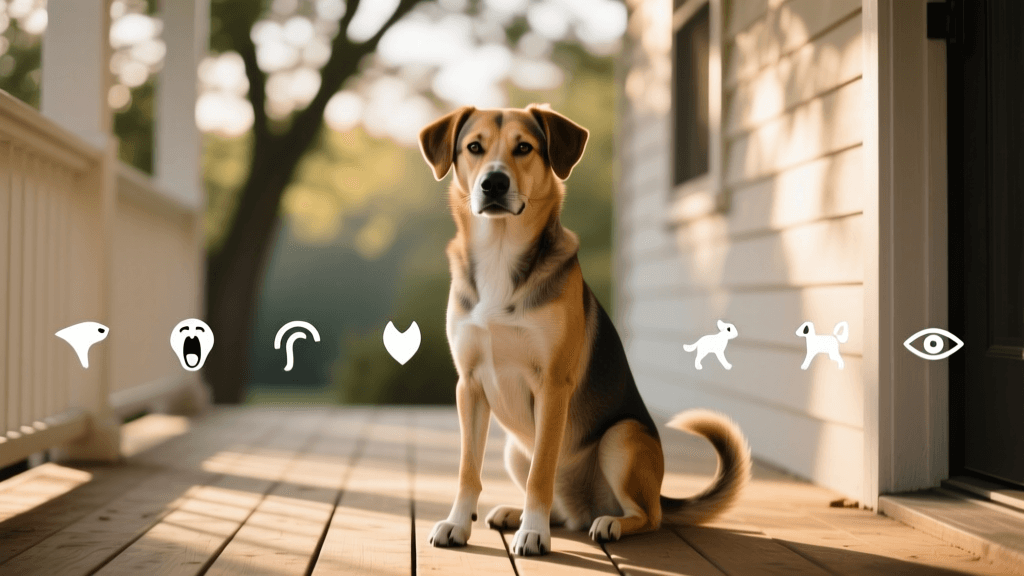
- Calming Signals vs. Stress Signals: Yawning, lip licking, and 'whale eye' (showing the whites of the eyes) are often misinterpreted by owners as signs of sleepiness or guilt. In canine psychology, these are acute stress signals. If your dog is repeatedly yawning while staring at the door, they are attempting to self-soothe.
- Destructive Behavior is Not Spite: A common misconception is that a dog chews up a couch out of anger for being left alone. The American Veterinary Society of Animal Behavior (AVSAB) emphasizes that destruction, especially when targeted at door frames, window sills, or the owner's personal items, is a panic-driven escape response or a search for the owner's scent, not an act of revenge.
- The Post-Departure Window: Pay close attention to the first 20 minutes after you leave. According to VCA Animal Hospitals, dogs with true separation anxiety will exhibit immediate, escalating panic. If your dog barks for five minutes and then takes a nap, you are likely dealing with mild territorial alertness or brief isolation distress, which requires a vastly different training approach than clinical anxiety.
When to Seek Professional Help
A pet camera is a diagnostic tool, not a cure. If your camera footage reveals that your dog is injuring themselves trying to escape, drooling excessively to the point of dehydration, or exhibiting non-stop vocalization for hours, DIY training is not enough. These are signs of profound psychological distress.
Use your camera footage to compile a 'behavioral diary.' Note the exact times your dog escalates, what triggers their panic (e.g., the sound of a specific neighbor's car), and how long it takes them to recover. Share this high-definition data with a Certified Applied Animal Behaviorist (CAAB) or a board-certified Veterinary Behaviorist. By combining your at-home observational data with professional psychological interventions, you can help your dog build the confidence they need to feel safe, secure, and relaxed, even when you are miles away.
jonas-cole
All our authors care for dogs every day — read more of their work on the authors page.