The Best Dog Breeds for Families With Toddlers and Kids
Discover the best dog breeds for families with toddlers. Learn expert tips on preparing your home, setting boundaries, and ensuring safe, happy interactions.
Welcoming a Dog Into a Home With Toddlers
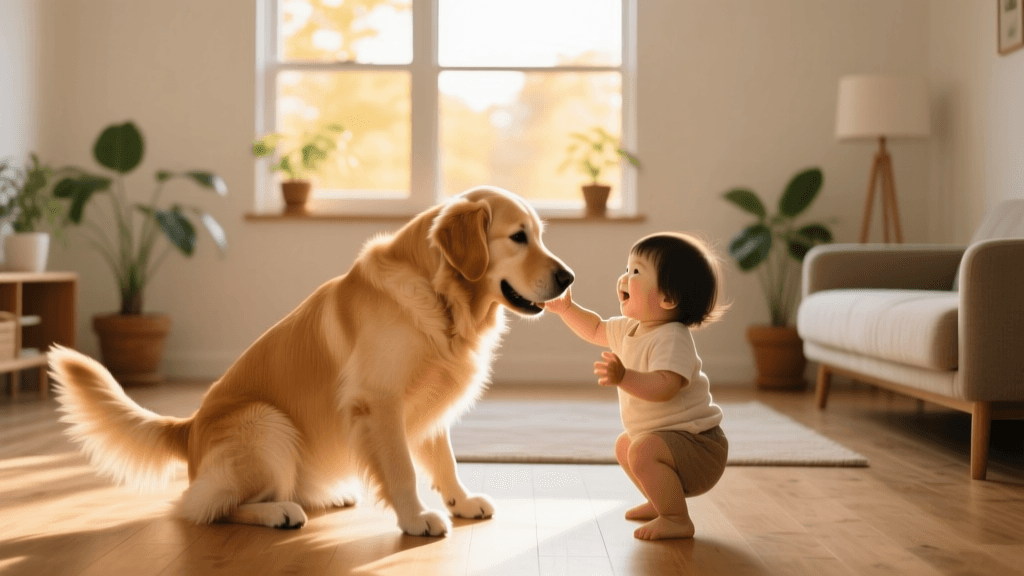
Bringing a new dog into a household with toddlers and young children is one of the most rewarding decisions a family can make. The bond that forms between a child and a family dog is unparalleled, teaching kids empathy, responsibility, and unconditional love. However, the dynamic between a clumsy, unpredictable toddler and a new dog requires careful planning, breed selection, and environmental management. According to the American Academy of Pediatrics, proper supervision and teaching children how to interact safely with pets are the most critical factors in preventing injuries and ensuring a harmonious home.
This comprehensive guide will walk you through the best dog breeds for families with toddlers, how to puppy-proof and toddler-proof your home simultaneously, and actionable steps to foster a safe, loving relationship between your new dog and your little ones.
Top Dog Breeds for Families with Toddlers
When selecting a dog for a home with young children, you want a breed known for patience, sturdiness, and a low sensitivity to sudden noises or erratic movements. The American Kennel Club consistently highlights several breeds that excel in family environments.
1. Golden Retriever
Golden Retrievers are the gold standard for family dogs. They are exceptionally patient, eager to please, and highly trainable. Their sturdy build means they can handle the accidental bumps and hugs from toddlers without getting injured. They do require significant exercise and regular grooming, but their gentle temperament makes the effort entirely worthwhile.
2. Beagle
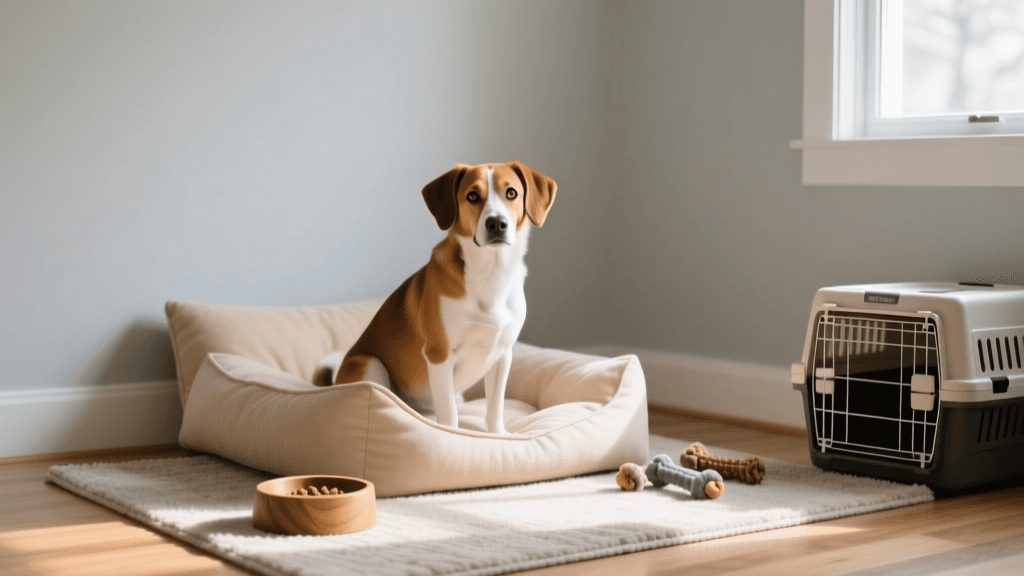
Beagles are sturdy, compact, and possess a merry, tolerant disposition. Because they are pack animals, they thrive in the bustling environment of a family home. Their size (typically 20-30 pounds) makes them manageable for parents, and they are robust enough to play gently with children. Be aware that their strong sense of smell means they will follow their noses, so a securely fenced yard is a must.
3. Boxer
Boxers are famously playful and deeply devoted to their families, often earning the nickname "the Peter Pan of dogs." They are highly protective and patient with children. However, because they are energetic and muscular, early obedience training is crucial to prevent them from accidentally knocking over a toddler during enthusiastic play sessions.
4. Bichon Frise
For families concerned about allergies or lacking the space for a large breed, the Bichon Frise is an excellent choice. They are cheerful, adaptable, and sturdy enough to handle gentle toddler play, unlike more fragile toy breeds. Their hypoallergenic coat requires professional grooming every four to six weeks, which is an ongoing cost to factor into your budget.
Breeds to Approach with Caution
While every dog is an individual, certain breed traits can clash with the reality of living with toddlers. Toy breeds, such as Chihuahuas or Pomeranians, are incredibly fragile; a toddler dropping a toy or falling on them can result in severe veterinary emergencies. Conversely, high-energy herding breeds like Border Collies or Australian Shepherds may exhibit "nipping" behaviors to herd running children, which can terrify or injure a toddler. Always prioritize temperament testing and consult with a behavioral specialist if considering these breeds.
Comparison Chart: Breed Suitability for Toddlers
| Breed | Size | Energy Level | Grooming Needs | Toddler Suitability |
|---|---|---|---|---|
| Golden Retriever | Large (55-75 lbs) | High | High (Weekly brushing) | Excellent |
| Beagle | Medium (20-30 lbs) | Moderate-High | Low (Weekly brushing) | Very Good |
| Boxer | Large (50-80 lbs) | High | Low (Occasional wipe) | Good (Requires training) |
| Bichon Frise | Small (12-18 lbs) | Moderate | High (Professional cuts) | Very Good |
Preparing Your Home: Safety Zones and Gear
Before your dog arrives, you must create a home environment that protects both the toddler and the dog. Toddlers need freedom to explore, but dogs need a sanctuary where they can decompress without being touched.
Install Hardware-Mounted Baby Gates
Pressure-mounted gates are convenient but can be pushed over by large dogs or climbing toddlers. Invest in hardware-mounted gates for critical areas like the kitchen or the dog's sleeping zone. The Regalo Easy Step Walk Thru Gate (approx. $45-$55) is a reliable, durable option that fits standard doorways (29 to 39 inches wide). Install one at the entrance to the dog's "safe room" to teach toddlers that this is a no-entry zone when the dog is resting.
Set Up a Sturdy Crate Sanctuary
A crate is not a punishment; it is a dog's bedroom. For a medium-to-large breed like a Labrador or Golden Retriever, purchase a MidWest Homes for Pets iCrate in the 36-inch or 42-inch size (approx. $60-$80). Place the crate in a low-traffic area of the living room or a quiet corner of the master bedroom. Teach your toddler from day one: "When the dog is in the house (crate), we do not knock, we do not reach in, and we use our whisper voices."
Teaching Toddlers Safe Dog Interaction
The Centers for Disease Control and Prevention (CDC) notes that children are the most common victims of dog bites, often occurring during everyday interactions with familiar family pets. Prevention relies heavily on teaching toddlers how to read canine body language and respect boundaries.
- The "Pet, Pet, Stop" Rule: Teach your toddler to pet the dog gently on the back or shoulders three times, then stop and wait. If the dog nudges them or stays close, they can pet three more times. If the dog walks away, the interaction is over.
- Never Disturb a Sleeping Dog: Make it a hard household rule that a sleeping dog is invisible. Do not wake a dog by touching them; instead, call their name softly from a distance if they must be woken.
- Be a Tree: If the dog gets overly excited, jumps, or nips during play, teach your toddler to "be a tree"—stand completely still, fold their arms (branches), and look down at their feet (roots). Dogs lose interest in stationary objects quickly.
- Respect the Food Bowl: Toddlers are at the exact eye level of a dog's food bowl. Use a baby gate to completely block access to the kitchen during feeding times to prevent resource guarding incidents.
The First 30 Days: A Timeline for Success
Integrating a new dog with a toddler should not happen all at once. Follow this timeline to ensure a smooth transition.
Week 1: Decompression and Scent Swapping
Keep interactions minimal. Use baby gates to separate the dog and toddler. Allow the toddler to drop high-value treats over the gate to build positive associations. Swap scents by letting the dog sniff the toddler's blanket and vice versa.
Week 2: Parallel Play and Leashed Introductions
Allow the dog and toddler to be in the same room, but keep the dog on a leash held by an adult. Let the toddler play with their toys on the floor while the dog observes from a distance. Reward the dog heavily for calm behavior and ignoring the toddler's erratic movements.
Week 3: Supervised Short Interactions
Begin short, highly supervised interactions. Guide the toddler's hand to gently pet the dog. Keep these sessions to 3-5 minutes maximum, ending on a positive note before either the dog or the child becomes overstimulated.
Week 4: Establishing the New Normal
By week four, the dog should be settling into their routine. Continue to enforce safe zones and supervise all interactions. Never leave a toddler and a dog alone in a room together, even for a few seconds, regardless of how trustworthy the dog seems.
Essential First-Day Products for Families
To set your new dog up for success in a noisy, chaotic toddler household, stock up on these essential items before arrival day:
- SmartPetLove Snuggle Puppy (approx. $40): This toy features a heartbeat simulator and a heat pack, which can soothe a newly adopted dog experiencing anxiety in a new, loud environment.
- KONG Classic Dog Toy - Red (approx. $15): Fill this durable rubber toy with peanut butter and freeze it. It provides up to 45 minutes of quiet, soothing enrichment for the dog while you attend to your toddler's naptime or meals.
- Outward Hound Snuffle Mat (approx. $25): A fantastic tool for mental stimulation. Scattering kibble in the mat tires the dog out mentally, reducing the hyperactive energy that can overwhelm young children.
- Enzymatic Pet Stain & Odor Remover (approx. $15): Accidents will happen. Having a high-quality enzymatic cleaner on hand ensures that scent markers are completely destroyed, preventing repeat offenses on your rugs.
Final Thoughts on Family Dogs
Choosing the right dog and preparing your home are only the first steps in a lifelong journey. The key to a successful relationship between a toddler and a dog is active, engaged parenting. By selecting a patient breed, creating physical boundaries with gates and crates, and rigorously teaching your child how to respect the dog's space, you are laying the foundation for a beautiful, lifelong friendship. The effort you invest in the first few months will pay dividends in the form of a loyal, loving family companion for years to come.
jonas-cole
All our authors care for dogs every day — read more of their work on the authors page.