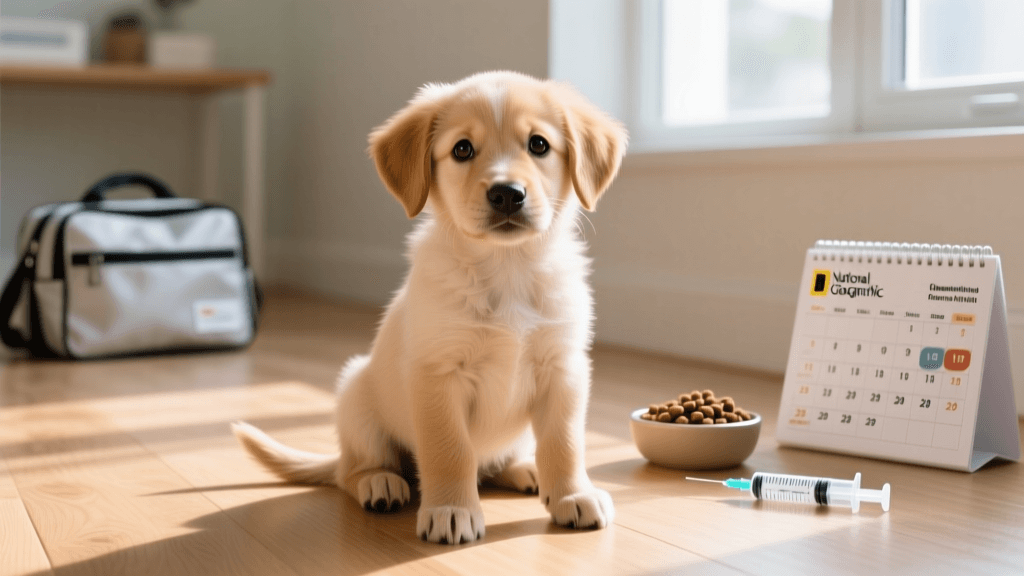
Smart Tech Essentials For Bringing Your New Dog Home
Discover the best smart tech for new dog owners. From GPS trackers to pet cameras, learn how to prepare your modern home before bringing your dog home.

Why Prepare Your Smart Home Before Day One?
Bringing a new dog into your life is an exhilarating milestone, but the transition period can be fraught with stress for both you and your new companion. The days of simply purchasing a food bowl, a basic leash, and a dog bed are long gone. Today, modern dog ownership is deeply intertwined with smart home technology, offering unprecedented ways to monitor, protect, and care for your pet from the very first day. Integrating technology before your dog arrives allows you to establish baselines, create automated routines, and troubleshoot devices without the chaos of a new puppy or anxious rescue dog demanding your immediate attention.
Setting up your tech ecosystem in advance means you can test Wi-Fi signal strength in the yard for GPS fences, calibrate treat-tossing cameras to ensure they do not startle your new pet, and sync automated feeders to your smartphone. By treating your home's technological preparation with the same importance as puppy-proofing your living room, you set the stage for a seamless, secure, and highly managed integration of your new dog into your daily life.
The Modern Dog Tech Checklist
To help you budget and prioritize, here is a comprehensive comparison chart of the most impactful smart technologies for new dog owners. These categories cover safety, nutrition, monitoring, and environmental control.
| Tech Category | Top Product Examples | Estimated Cost | Primary Benefit for New Dogs |
|---|---|---|---|
| Pet Cameras | Furbo 360, Wyze Cam Pan v3 | $40 - $200 | Visual monitoring, two-way audio, separation anxiety mitigation |
| GPS Smart Collars | Fi Series 3, Whistle Go Explore | $100 - $150 + Sub | Real-time location tracking, activity monitoring, escape alerts |
| Automated Feeders | PETLIBRO Granary, PetSafe Smart Feed | $120 - $250 | Strict portion control, scheduled digestion, remote feeding |
| Smart Pet Doors | SureFlap Microchip Pet Door | $80 - $180 | Selective entry/exit, keeping wildlife out, indoor potty access |
| DNA Health Tests | Embark, Wisdom Panel | $100 - $200 | Breed identification, genetic disease screening, trait prediction |
Pet Cameras and Two-Way Audio: Managing Separation Anxiety
One of the most significant challenges of bringing a new dog home is managing the transition when you inevitably have to leave the house. According to the ASPCA, separation anxiety is a common behavioral issue that can manifest in destructive chewing, excessive barking, and house soiling. A high-definition pet camera is your first line of defense in diagnosing and managing this stress.
Devices like the Furbo 360 or the Wyze Cam Pan offer more than just a live video feed; they provide bark alerts, motion tracking, and two-way audio. However, a critical mistake many new owners make is immediately using the two-way audio feature while the dog is panicked. Hearing your voice without being able to find you can actually increase a dog's frustration and anxiety. Instead, use the camera to observe your dog's baseline behavior. Are they pacing? Are they settling down after ten minutes? Use the camera's treat-tossing feature to reward calm behavior, but be sure to desensitize your dog to the mechanical whirring sound of the treat dispenser before you leave them alone for the first time. Toss treats while you are sitting right next to them on the couch so they associate the sound with positive reinforcement, not an invisible, noisy ghost.
GPS Tracking and Permanent Identification
The first few weeks with a new dog are the highest risk period for escapes. A new environment, unfamiliar scents, and an unsettled routine can cause even the most well-behaved dog to bolt through an open door or dig under a fence. Relying solely on a standard collar tag is no longer sufficient for modern pet safety.
Smart collars like the Fi Series 3 or the Whistle Go Explore utilize cellular networks and satellite GPS to provide real-time location tracking directly to your smartphone. You can set up 'safe zones' (geofences) around your home and property. If your dog breaches this perimeter, you receive an instant push notification, allowing you to track their exact movements on a map and recover them quickly. Additionally, these devices track daily activity and sleep patterns, giving you valuable data on whether your new dog is getting enough physical exercise or if they are resting adequately during the day.
While GPS trackers are incredible tools, they require batteries and cellular subscriptions. They should never replace a permanent form of identification. The American Veterinary Medical Association (AVMA) strongly emphasizes that microchipping is a vital, permanent backup that cannot fall off or run out of battery. Furthermore, the Humane Society of the United States notes that a microchip is only effective if the registry information is kept up to date. As soon as you adopt or purchase your dog, ensure the microchip is registered to your current address and phone number, and pair this permanent ID with your active GPS tracker for a foolproof safety net.
Automated Nutrition and Hydration Stations
Establishing a strict, predictable routine is the cornerstone of successful house training and behavioral conditioning. Automated smart feeders, such as the PETLIBRO Granary or the PetSafe Smart Feed, allow you to schedule meals down to the minute, dispensed in exact portion sizes. This is particularly useful for new puppies who require three to four small meals a day, or for owners who work long or irregular hours.
By using an app-controlled feeder, you eliminate the anxiety of rushing home to feed your dog, and you prevent the behavioral issue of 'food guarding' or hyper-attachment to you as the sole provider of meals. The dog learns to associate the kitchen area and the sound of the feeder with food, rather than fixating on you. Furthermore, smart water fountains with UV sterilization and app-based filter replacement reminders ensure your new dog always has access to fresh, moving water, which encourages hydration and supports kidney health, especially in dogs transitioning from a shelter environment where water quality may have been poor.
Smart Access and Climate Control
If you are setting up an indoor potty area or a secure outdoor run, smart pet doors are a game-changer. The SureFlap Microchip Pet Door reads your dog's existing microchip (or a provided RFID collar tag) to unlock the flap. This means your new dog can access their designated potty area or secure patio at will, drastically accelerating the house-training process. More importantly, it ensures that neighborhood wildlife, stray cats, or other animals cannot enter your home.
Climate control is another often-overlooked aspect of modern dog care. Dogs, particularly brachycephalic breeds (like Pugs or French Bulldogs) or thick-coated northern breeds, are highly sensitive to temperature fluctuations. Integrating your smart thermostat (like Nest or Ecobee) with remote temperature sensors placed in your dog's primary resting area ensures that the ambient temperature never reaches dangerous levels while you are away. You can set automated triggers to turn on the air conditioning if the dog's room exceeds 75°F, providing a safe, comfortable sanctuary for your new pet.
DNA Testing and Preventative Health Apps
Finally, the modern approach to getting a dog involves looking beneath the surface. If you are adopting a mixed-breed rescue, at-home DNA testing kits like Embark or Wisdom Panel can provide profound insights into your dog's genetic makeup. Beyond satisfying curiosity about breed composition, these tests screen for over 200 genetic health markers. Knowing that your new dog carries a gene for degenerative myelopathy or a specific drug sensitivity (like the MDR1 gene mutation common in herding breeds) allows you and your veterinarian to create a highly customized, proactive healthcare plan from day one.
Pair this genetic data with a comprehensive pet health app like Pawprint or 11pets. These platforms allow you to digitize all veterinary records, set automated reminders for flea, tick, and heartworm preventatives, and track your dog's weight and vaccination schedule. By centralizing your dog's health data in the cloud, you are fully equipped to handle emergencies, share records with pet sitters, and ensure your new companion lives the longest, healthiest life possible.
Conclusion
Embracing technology when getting a new dog is not about replacing the essential human elements of love, patience, and training. Rather, it is about leveraging modern tools to create a safer, more predictable, and highly monitored environment. By investing in smart cameras, GPS trackers, automated feeders, and genetic testing before your dog crosses the threshold, you remove the guesswork from early pet ownership. You are not just bringing a dog home; you are welcoming them into a modern, optimized ecosystem designed to support their physical safety and emotional well-being from the very first moment.
beth-carrasco
All our authors care for dogs every day — read more of their work on the authors page.