Best Dog Breeds for Apartment Living: A Complete Guide
Discover the best dog breeds for apartment living. Compare sizes, energy levels, and costs to find the perfect low-bark companion for your small space.
Why Breed Selection Matters for Small Spaces
Moving into an apartment or condo doesn't mean you have to give up your dream of dog ownership. However, shared walls, limited square footage, and a lack of a private backyard mean that breed selection is the single most important decision you will make. According to the American Kennel Club (AKC), the best apartment dogs are not necessarily just the smallest dogs; they are breeds with adaptable temperaments, lower barking tendencies, and moderate indoor energy levels.
Choosing a high-energy herding breed or a vocal guardian breed for a 600-square-foot apartment can lead to noise complaints, destructive behavior born of boredom, and a stressed pet. By focusing on breeds that thrive in close quarters, you ensure a harmonious living situation for yourself, your neighbors, and your new furry companion.
Key Traits of an Ideal Apartment Dog
Before diving into specific breeds, it is essential to understand the traits that make a dog well-suited for apartment living:
- Low Vocalization: Breeds prone to alarm barking (like Beagles or Shetland Sheepdogs) may struggle with the constant hallway noises of an apartment building.
- Adaptable Energy Levels: While all dogs need exercise, an apartment dog should be content to relax indoors after a daily walk, rather than requiring hours of vigorous running.
- Size and Space Awareness: While large dogs can live in apartments, giant breeds can accidentally knock over furniture in tight spaces. Small to medium breeds often navigate compact floor plans more easily.
- Trainability: A dog that responds well to positive reinforcement will quickly learn apartment etiquette, such as waiting in the doorway and walking calmly on a leash in busy lobbies.
Top 5 Dog Breeds for Apartment Living
1. Greyhound
Often referred to as "45-mph couch potatoes," Greyhounds are surprisingly excellent apartment dogs. Despite their racing background, they are sprinters, not endurance runners. A quick 20-minute morning walk and a short evening stroll are usually enough to satisfy their exercise needs. The rest of the day, they are perfectly content to sleep on a plush dog bed. They are also known for being quiet and gentle indoors.
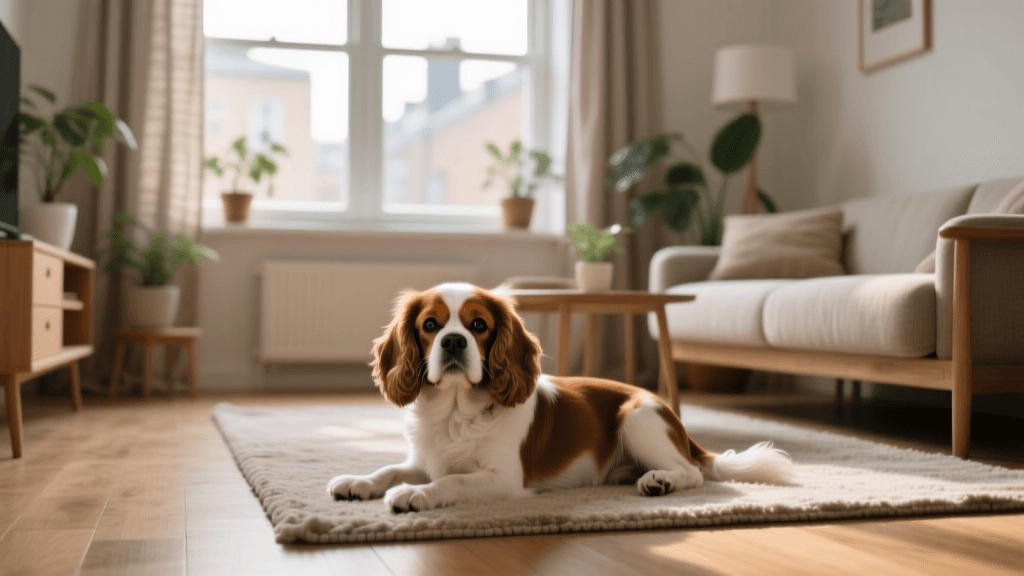
2. Cavalier King Charles Spaniel
Weighing between 12 and 18 pounds, the Cavalier is the ultimate companion dog. They are highly adaptable, matching their owner's energy level. Whether you want to go for a hike or cuddle on the sofa, the Cavalier is happy to oblige. They are generally quiet, though they do require regular brushing to prevent matting in their silky coats.
3. French Bulldog
Frenchies are a staple in urban environments for a reason. They are small, sturdy, and require minimal exercise. A short daily walk and some indoor playtime are sufficient. However, prospective owners must be aware of their brachycephalic (flat-faced) anatomy, which makes them sensitive to heat and prone to respiratory issues. Budgeting for potential veterinary costs is crucial when choosing this breed.
4. Shih Tzu
Bred specifically to be royal companions, the Shih Tzu thrives on human interaction and doesn't require a yard to be happy. They are relatively low-energy and their barking is usually manageable with proper training. Their long coat requires significant grooming, but many apartment owners opt for a "puppy cut" to keep maintenance low and manageable.
5. Bichon Frise
If you suffer from allergies, the Bichon Frise is a top-tier apartment choice. Their hypoallergenic, hair-like coat sheds very little. They are cheerful, playful, and highly trainable. While they have bursts of energy (often called the "Bichon Blitz"), they tire out quickly and are happy to spend the evening in your lap.
Apartment Dog Breed Comparison Table
Use the following chart to compare the practical requirements of these top apartment-friendly breeds:
| Breed | Avg Weight | Energy Level | Barking Level | Grooming Needs | Est. Annual Vet/Grooming Cost |
|---|---|---|---|---|---|
| Greyhound | 60-70 lbs | Low (Sprinter) | Low | Very Low | $600 - $800 |
| Cavalier King Charles Spaniel | 12-18 lbs | Moderate | Low to Moderate | Moderate | $800 - $1,200 |
| French Bulldog | 16-28 lbs | Low | Low | Low | $1,500 - $2,500+ |
| Shih Tzu | 9-16 lbs | Low | Moderate | High | $900 - $1,300 |
| Bichon Frise | 12-18 lbs | Moderate | Moderate | High | $1,000 - $1,400 |
Hidden Costs of Apartment Dog Ownership
Beyond the initial adoption or purchase fee, apartment dwellers must budget for specific housing-related pet expenses. According to the ASPCA, responsible pet ownership requires thorough financial preparation. In an apartment setting, these costs include:
- Pet Rent: Many modern apartment complexes charge a monthly pet rent ranging from $25 to $75 per month. This adds $300 to $900 to your annual housing budget.
- Pet Deposits and Fees: Expect to pay a non-refundable pet fee (typically $200 to $400) and a refundable pet deposit ($200 to $500) upon signing your lease.
- Breed Restrictions: Some properties enforce breed-specific legislation (BSL) or weight limits (e.g., no dogs over 40 lbs). Always verify your building's pet policy before bringing a dog home.
- Dog Walkers and Daycare: If you work long hours in an office and lack a backyard, you may need to hire a mid-day dog walker. In urban areas, this can cost $20 to $30 per walk, which can total over $5,000 annually if used daily.
- Renter's Insurance and Liability: Many landlords require proof of renter's insurance that includes pet liability coverage. This typically costs an additional $10 to $20 per month but protects you financially if your dog accidentally damages the property or injures a neighbor.
- Pet Insurance: Given the rising costs of veterinary care, especially for breeds prone to genetic conditions like French Bulldogs, investing in comprehensive pet insurance (averaging $40 to $70 per month) is a wise financial safeguard.
Tips for Acclimating Your Dog to Apartment Life
Even the most laid-back breed needs time to adjust to the unique sensory environment of an apartment building. The Humane Society of the United States emphasizes the importance of a structured adjustment period for newly adopted dogs.
1. Manage Noise Triggers
Apartments are noisy. Footsteps in the hall, slamming doors, and neighboring TVs can trigger anxiety or barking. Use a white noise machine or a fan near your front door to muffle hallway sounds. Leaving a radio on a classical music station can also soothe your dog when you are away.
2. Master Leash and Elevator Etiquette
Your building's lobby, hallways, and elevators are high-traffic zones. Train your dog to "sit" and "wait" before opening your apartment door to prevent them from darting into the hallway. In elevators, keep your dog on a short leash and close to your body to respect the personal space of neighbors who may be fearful of dogs.
3. Establish a Potty Routine
Without a backyard, potty breaks require planning. Map out the nearest designated pet relief areas or grassy patches. During the first few weeks, take your dog out on a strict schedule (e.g., every 4 hours) to prevent indoor accidents. Always carry waste bags and clean up immediately to maintain good standing with your property management.
4. Balcony and Patio Safety
If your apartment has a balcony or patio, never leave your dog unattended. Small breeds can squeeze through narrow railings, and curious dogs might try to jump at birds or squirrels below. Install pet-safe netting or plexiglass barriers if the gaps between balusters are wider than three inches.
5. Create a Safe Haven
Crate training is invaluable in an apartment. A crate provides your dog with a den-like sanctuary where they can retreat when the environment feels overwhelming. Ensure the crate is placed in a quiet corner away from direct sunlight and drafts, and never use it as a form of punishment.
Final Thoughts on Choosing Your Apartment Companion
Living in an apartment should never be a barrier to experiencing the joy of dog ownership. By prioritizing temperament over size, understanding the financial commitments of pet-friendly housing, and proactively training your dog for shared living spaces, you can create a loving and peaceful home. Take your time, research local rescues and reputable breeders, and select a companion whose lifestyle seamlessly aligns with your own.
tom-renshaw
All our authors care for dogs every day — read more of their work on the authors page.